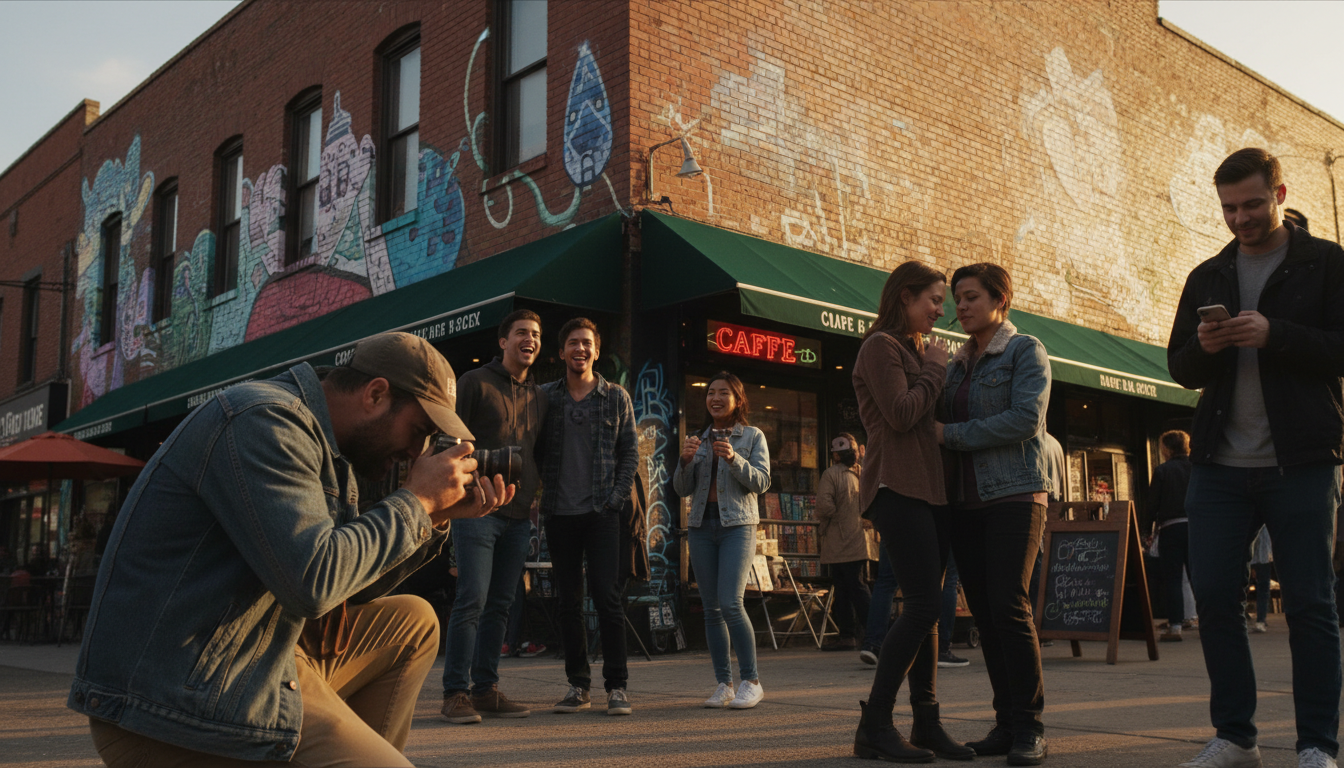

Capturing stunning street photography requires a blend of technical skills, creativity, and practice. To help you improve your skills, we’ll explore essential techniques for taking breathtaking photos.
Understanding the basics and mastering camera settings and composition are crucial. Whether you’re a beginner or an experienced photographer, this guide will provide valuable insights to enhance your photography skills.
Key Takeaways
- Understand the fundamentals of street photography
- Master camera settings for optimal results
- Improve composition techniques
- Practice regularly to refine your skills
- Explore different styles and approaches
Understanding Street Photography
Understanding street photography requires delving into its unique characteristics and rich history. Street photography is a genre that captures the essence of urban life, revealing the human condition through unscripted moments.
What Makes Street Photography Unique
Street photography stands out due to its ability to tell stories through candid shots, often highlighting the beauty in the mundane. It’s characterized by its raw, unedited portrayal of city life, making it a powerful medium for social commentary and personal expression.
The Historical Evolution of Street Photography
The history of street photography dates back to the early 20th century, with pioneers like Henri Cartier-Bresson and Garry Winogrand setting the stage. Their work laid the foundation for contemporary street photographers, influencing the development of the genre.
Why Street Photography Matters Today
Street photography remains relevant today as it continues to capture the changing landscapes of urban environments and human experiences. By employing the best street photography techniques, photographers can convey complex narratives and emotions, making it a vital form of visual storytelling.
- Captures the essence of urban life
- Provides a raw, unedited view of society
- Continues to evolve with contemporary issues
Essential Street Photography Tips
Mastering street photography requires a combination of technical skills, creativity, and the courage to be in the right place at the right time. To excel in this genre, you need to overcome your fears, develop your unique style, and continually build your skills.
Overcoming Fear and Building Confidence
One of the biggest hurdles for many street photographers is overcoming the fear of approaching strangers or shooting in public places. Building confidence comes with practice and understanding your equipment. Start by shooting in less crowded areas and gradually move to busier locations.
Familiarize yourself with your camera settings so you can focus on your subjects rather than fiddling with your gear.
Developing Your Unique Style
Your unique style is what sets you apart from other photographers. Experiment with different angles, lighting conditions, and compositions to find what works best for you. Pay attention to the details that make your photos stand out, whether it’s a particular editing style or a preference for certain subjects.
To develop your style, study the work of other street photographers. Analyze what you like about their photos and how you can incorporate those elements into your own work.
Starting Small and Building Skills
Begin with simple exercises like photographing street signs, textures, or patterns. As you become more comfortable, you can start incorporating people into your shots.
| Tip | Description |
|---|---|
| Start Small | Begin with simple subjects like street signs or textures. |
| Build Confidence | Practice shooting in less crowded areas before moving to busier locations. |
| Experiment with Style | Try different angles, lighting, and compositions to find your unique voice. |
Choosing the Right Equipment
When it comes to street photography, having the right gear can make all the difference. The equipment you choose can significantly impact the quality of your photos and your ability to capture the moment.
Camera Selection for Street Photography
For street photography, a compact and discreet camera is often preferred. Mirrorless cameras are popular among street photographers due to their size, weight, and ability to shoot quietly. They offer excellent image quality and the flexibility to change lenses.
Prime vs. Zoom Lenses for Street Work
A prime lens is often the choice for street photography due to its wide aperture, which allows for a shallow depth of field and better low-light performance. However, some photographers prefer zoom lenses for their versatility. For instance, a 24-70mm zoom lens can be useful for capturing a variety of scenes.
Additional Gear to Consider
Beyond the camera and lens, there are other pieces of equipment that can enhance your street photography experience.
Camera Straps and Bags
A comfortable and secure camera strap is essential for carrying your gear. Consider a strap that allows you to quickly access your camera. For carrying extra lenses, batteries, and memory cards, a discreet bag is recommended.
Memory Cards and Batteries
Having extra memory cards and batteries is crucial for a full day of shooting. You don’t want to miss a shot because you’re out of storage or power. For more tips on preparing for a street photography session, check out this article on summer street photography gear.
As emphasized by renowned street photographer, Henri Cartier-Bresson, “The most important thing is to be able to see the decisive moment.” Having the right equipment can help you be prepared for that moment.
“The camera is an instrument that teaches people how to see without a camera.” - Dorothea Lange
Camera Settings for Street Photography
To take your street photography to the next level, understanding your camera’s settings is essential. Mastering the right camera settings allows you to capture the perfect shot quickly, which is crucial in street photography where moments are fleeting.
Mastering Manual Mode
Switching to manual mode gives you full control over your camera’s settings, allowing for more creative and consistent results. While it may seem daunting at first, practice makes perfect. Start by adjusting one setting at a time until you feel comfortable making changes on the fly.
Aperture, Shutter Speed, and ISO Recommendations
For street photography, a wide aperture (like f/2.8 or f/4) can help separate your subject from the background, creating a pleasing bokeh effect. A shutter speed of at least 1/500th of a second is recommended to freeze motion. For ISO, keep it as low as possible (preferably below 800) to minimize noise, unless you’re shooting in low light conditions. Check out this guide for more detailed settings recommendations.
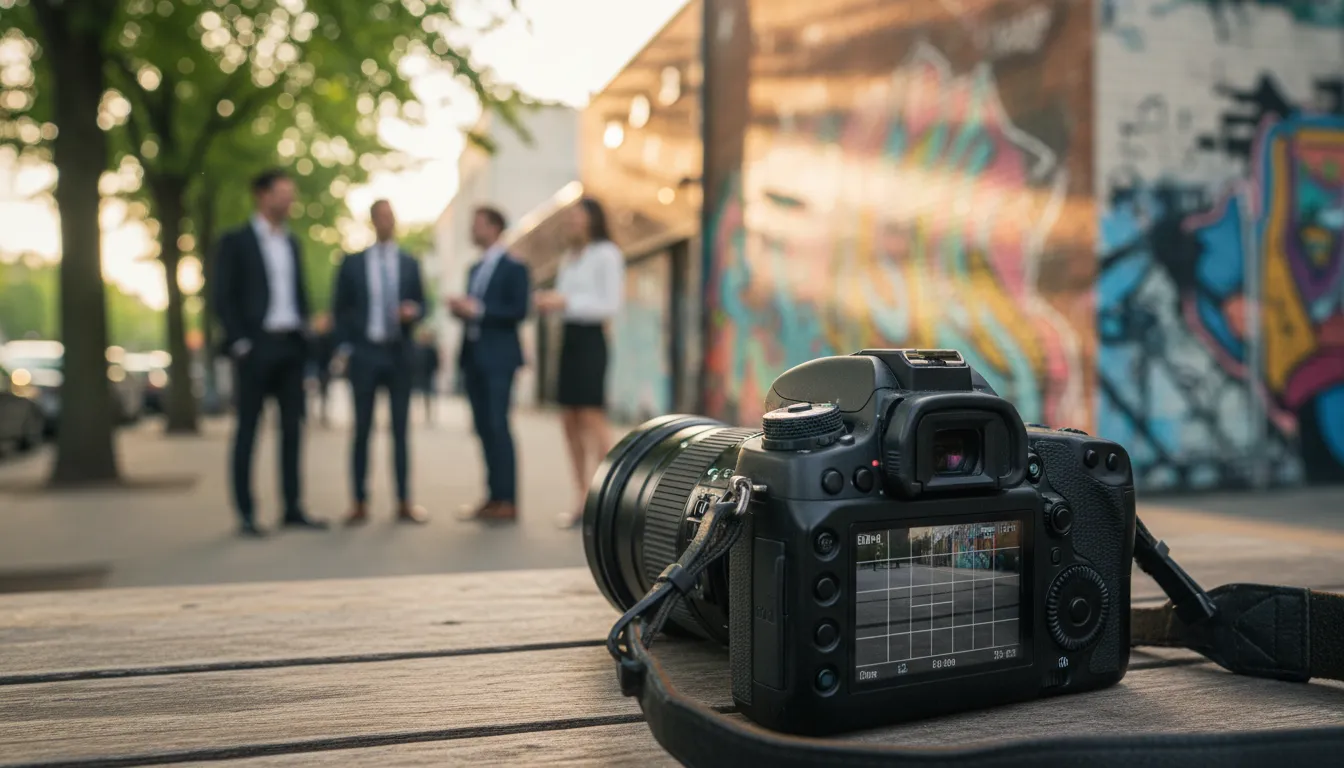
Focus Techniques for Moving Subjects
Capturing sharp images of moving subjects requires the right focusing technique. Two effective methods are Zone Focusing and Back-Button Focus.
Zone Focusing
Zone focusing involves pre-setting your focus to a certain distance, so when your subject enters that zone, you’re ready to shoot. This technique is particularly useful for street photography as it allows for quick shots without the need to constantly adjust focus.
Back-Button Focus
Back-button focus separates the autofocus activation from the shutter release, giving you more control over focusing. This is especially useful for tracking moving subjects, as you can keep the focus on the subject without taking the shot until you’re ready.
By mastering these camera settings and techniques, you’ll be well on your way to capturing stunning street photography images that tell a story.
Composition Techniques That Tell a Story
The art of street photography lies in its ability to weave narratives through carefully considered composition techniques. By applying these techniques, photographers can transform ordinary scenes into compelling stories that captivate their audience.
Rule of Thirds and Leading Lines
One of the fundamental composition techniques in street photography is the rule of thirds. This involves dividing the image into thirds both horizontally and vertically, placing important elements along these lines or at their intersections. Leading lines are another powerful tool, guiding the viewer’s eye through the scene and to the subject. These lines can be anything from roads and paths to shorelines and architectural features.
Framing and Layering
Framing involves using elements within the scene to create a frame around the subject, isolating it and drawing attention to it. This can be achieved with archways, doorways, or even the branches of trees. Layering adds depth to an image by incorporating elements at different distances from the camera, creating a sense of dimensionality and complexity.
Creating Visual Narratives
Creating a visual narrative involves more than just capturing a moment; it’s about conveying a story or emotion through the composition. This can be achieved by considering the context of the scene, the actions and expressions of the subjects, and how these elements interact within the frame. By thoughtfully composing the shot, photographers can tell a story that resonates with viewers.
Using Negative Space Effectively
Negative space refers to the areas between and around subjects in an image. When used effectively, it can create a sense of simplicity and minimalism, drawing the viewer’s attention to the subject. In street photography, negative space can be used to isolate subjects from the bustling environment, creating a striking contrast between the subject and the background.
By mastering these composition techniques, street photographers can significantly enhance their ability to tell compelling stories through their images. Whether it’s through the rule of thirds, leading lines, framing, layering, or the effective use of negative space, the key is to experiment and find what works best for each unique scene.
Mastering Light in Urban Environments
Light plays a pivotal role in street photography, transforming ordinary scenes into extraordinary ones. Understanding how to work with different lighting conditions is crucial for capturing stunning images in urban environments.
Working with Natural Light
Natural light can dramatically change the mood and atmosphere of your street photography. Early morning and late afternoon are considered golden hours due to the soft, warm light they provide. This type of light can add depth and character to your images, making them more visually appealing.
Handling Harsh Midday Sun
The harsh midday sun can be challenging, but it’s not impossible to work with. Using shade or capturing scenes in the shadow can help mitigate harsh light. Additionally, adjusting your camera settings to compensate for the bright light can help you achieve well-exposed images.
Night Street Photography Techniques
Night street photography offers a unique perspective on urban environments. To capture great night shots, learn how to adjust your camera for low light conditions. A tripod can be invaluable for stabilizing your camera during longer exposures.
Using Shadows and Silhouettes
Shadows and silhouettes can add drama and interest to your street photography. By positioning your subjects in relation to the light source, you can create compelling silhouettes that tell a story. Experimenting with different angles and compositions can help you master the use of shadows and light.
| Lighting Condition | Camera Setting | Effect |
|---|---|---|
| Golden Hour | Low ISO, Wide Aperture | Warm, Soft Light |
| Midday Sun | High ISO, Narrow Aperture | Harsh Light, Deep Shadows |
| Night | Low ISO, Slow Shutter Speed | City Lights, Motion Blur |
Capturing Authentic Human Moments
Capturing authentic human moments is the core of street photography, requiring patience and observation. It’s about understanding human behavior and anticipating moments that reveal the essence of life in public spaces.
Observing and Anticipating Behavior
To capture authentic moments, one must first observe and understand human behavior. This involves studying people’s actions, reactions, and interactions in various settings. By anticipating what might happen next, photographers can prepare themselves to capture the decisive moment.
Anticipation is key in street photography. It allows photographers to be in the right place at the right time, camera at the ready. This skill develops over time with practice and patience.
Techniques for Candid Portraits
Candid portraits are a staple of street photography, capturing people in their natural state without posing. To achieve this, photographers often use discreet camera gear and techniques that minimize their presence.
Using a wide-angle lens and shooting from the hip can help capture candid moments without drawing attention to yourself. Additionally, being familiar with your camera’s settings allows for quick adjustments to capture the perfect shot.
Photographing Strangers Respectfully
Photographing strangers requires a level of respect and understanding. It’s essential to be mindful of people’s privacy and personal space. In some cultures or situations, taking someone’s picture without permission can be considered rude or intrusive.
When in doubt, it’s always a good idea to ask for permission or be prepared to explain your artistic intentions. Building a rapport with your subjects can also lead to more authentic and meaningful photographs.
Capturing Emotion and Expression
The goal of street photography is often to capture the emotion and expression of the moment. This could be joy, sadness, excitement, or contemplation. The key is to be observant and ready to capture these fleeting moments.
Using the right camera settings, such as a fast shutter speed, can help freeze the moment and convey the emotion effectively. Understanding light and how it interacts with your subjects is also crucial in capturing expressive photographs.
Street Photography in Different Weather Conditions
While many photographers shy away from shooting in bad weather, these conditions can offer some of the most compelling opportunities for street photography. Embracing rain, snow, fog, and mist can add variety to your portfolio and challenge your creative vision.
Rain and Snow Opportunities
Rain and snow can dramatically alter the urban landscape, creating moody and atmospheric scenes. People often react differently to these conditions, providing candid moments that might not occur on sunny days. For instance, pedestrians might hurry for cover, or vendors might set up shop to sell umbrellas or hot chocolate. Capturing these moments requires patience and a readiness to adapt your camera settings to the changing light conditions.
Fog and Mist Effects
Fog and mist can add a mystical quality to your street photography, obscuring details and creating a sense of mystery. These conditions are perfect for experimenting with silhouettes and abstract compositions. The soft, diffused light can also reduce harsh shadows, making it ideal for capturing people and scenes without the distraction of strong contrasts.
Protecting Your Gear in Adverse Conditions
Shooting in rain, snow, or fog requires taking extra precautions to protect your camera equipment. Using rain covers or protective housings can help keep your gear dry. It’s also wise to carry a microfiber cloth to wipe down your equipment and lens regularly.
| Weather Condition | Camera Setting | Tips |
|---|---|---|
| Rain | Faster shutter speed | Use rain cover, capture reflections |
| Snow | Adjust white balance | Look for interesting textures, people’s reactions |
| Fog/Mist | Lower contrast | Experiment with silhouettes, abstract compositions |
| By venturing out in various weather conditions and being prepared, you can expand your street photography repertoire and capture unique, compelling images that stand out. |
Urban Landscapes and Architecture
As a street photographer, exploring urban landscapes and architecture can reveal a world of creative possibilities. The built environment offers a wealth of subjects, from grand monuments to subtle details that tell the story of a city’s history and culture.
Finding Interesting Architectural Elements
When photographing urban landscapes, look for unique architectural features such as intricate facades, geometric patterns, and innovative designs. These elements can add visual interest to your photographs and help tell the story of the city’s architectural evolution.
Incorporating People with Urban Structures
Including people in your architectural compositions can provide scale and context, making the structures more relatable and engaging. Observe how individuals interact with the built environment, using leading lines and framing techniques to create compelling narratives.
Geometric Patterns and Repetition
Urban landscapes are rich in geometric patterns and repetition, from the grid-like streets of modern cities to the ornate details of historical buildings. Capturing these patterns can result in visually striking images that showcase the beauty of urban design.
| Technique | Description | Effect |
|---|---|---|
| Leading Lines | Using lines to lead the viewer’s eye to the subject | Creates depth and guides the viewer’s attention |
| Framing | Using architectural elements to frame the subject | Adds context and emphasizes the subject |
| Geometric Patterns | Capturing repeating patterns in urban landscapes | Creates visually appealing and abstract compositions |
Color vs. Black and White in Street Photography
In street photography, the choice between color and monochrome can significantly impact the visual storytelling. This decision is not just about personal preference; it influences how the viewer perceives and connects with the image.
When to Choose Color
Color is a powerful tool in street photography, capable of capturing the vibrancy and complexity of urban life. It’s particularly effective in scenes where the colors themselves tell a story or evoke a specific emotion. For instance, the bright hues of street art or the warm tones of a bustling market can add depth and energy to your photographs.
The Power of Monochrome
Black and white photography, on the other hand, offers a timeless quality that can strip away distractions, focusing the viewer’s attention on the subject. It’s ideal for capturing the essence of a moment, the texture of the scene, and the play of light and shadow. Many iconic street photographs are in black and white, and it remains a popular choice among photographers.
“Black and white photography is not just about capturing reality; it’s about creating a mood, a feeling that transcends the literal interpretation of the scene.”
Converting Color to Black and White
With digital photography, you can capture in color and convert to black and white during post-processing. This allows you to have the best of both worlds. When converting, pay attention to contrast and tonal range to ensure the image remains engaging.
Using Color as a Storytelling Element
Color can be used intentionally to guide the viewer’s eye and tell a more nuanced story. By understanding color theory and how different hues interact, you can create visually compelling images that draw the viewer in. For example, using contrasting colors can highlight the subject, while harmonious colors can create a sense of unity.
| Aspect | Color Photography | Black and White Photography |
|---|---|---|
| Visual Impact | Vibrant, captures the full spectrum of colors | Timeless, focuses on contrast and texture |
| Storytelling | Can use color to guide the viewer’s eye | Emphasizes form, light, and shadow |
| Mood | Can evoke emotions through color choice | Creates a classic, often nostalgic feel |
Advanced Street Photography Tips for Striking Images
To take your street photography to the next level, you’ll need to employ advanced techniques that can transform your images into striking visual narratives. Mastering these techniques will enable you to capture the essence of urban life with creativity and precision.
Juxtaposition and Contrast
One of the most effective ways to add depth to your street photography is by using juxtaposition and contrast. This involves placing two or more elements side by side to create a visually interesting or thought-provoking image. For example, capturing a modern skyscraper next to an old, rundown building can highlight the contrasts in urban development. To achieve this, look for scenes where different textures, colors, or cultural elements come together.
Capturing Decisive Moments
Capturing the decisive moment is a hallmark of great street photography. This technique, popularized by Henri Cartier-Bresson, involves anticipating and capturing the peak moment of action or emotion. To master this, you need to be patient and observant, often waiting for the right moment to press the shutter. For more tips on capturing decisive moments, you can visit Mastering Street Photography.
Creating Visual Metaphors
Visual metaphors can add layers of meaning to your street photography. By using objects, scenes, or compositions that symbolize abstract ideas, you can create images that resonate with viewers on a deeper level. For instance, a photograph of a person walking away from a cityscape could metaphorically represent the desire for escape or freedom.
Working with Reflections and Mirrors
Reflections and mirrors offer a unique way to add complexity to your street photography. They can create double images, add layers to a scene, or provide an alternative perspective on the subject. Look for reflective surfaces like windows, puddles, or polished metal to incorporate these elements into your compositions.
By incorporating these advanced techniques into your street photography practice, you’ll be able to create images that are not only visually striking but also rich in narrative and emotion.
Post-Processing for Street Photography
To truly showcase your street photography vision, effective post-processing is essential. Post-processing involves a series of editing techniques that can transform your raw images into stunning visual narratives.
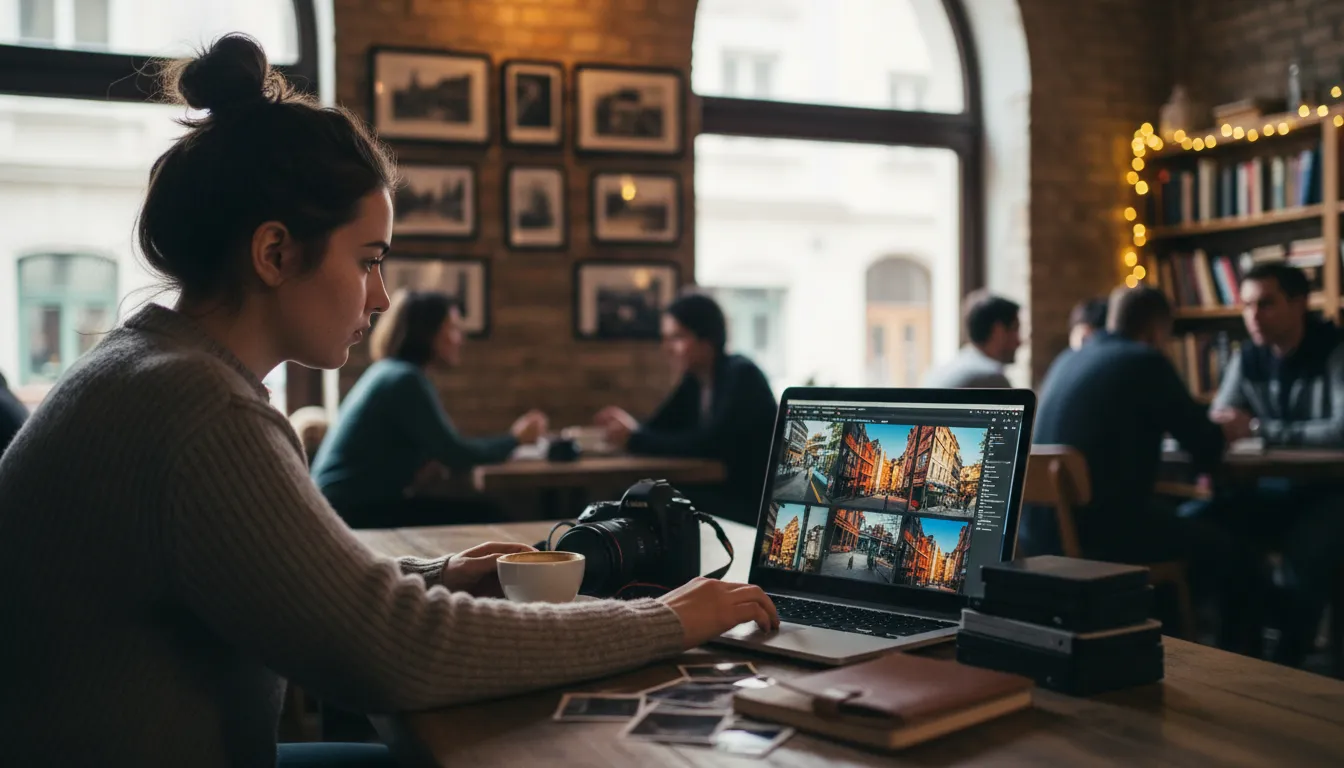
Essential Editing Workflows
Developing a consistent editing workflow is crucial for maintaining a cohesive look across your street photography portfolio. Start by importing your images into your preferred editing software, such as Adobe Lightroom or Capture One. Apply initial adjustments like exposure correction, contrast enhancement, and noise reduction.
Developing a Consistent Style
A consistent style helps in establishing your identity as a street photographer. Experiment with different presets or develop your own by saving frequently used adjustments. For instance, you might prefer a moody, black-and-white aesthetic or a vibrant, colorful style. Consistency is key to making your work recognizable.
Software Options for Street Photographers
Street photographers have a variety of software options for editing their images. Adobe Lightroom and Photoshop are industry standards, offering powerful tools for editing and enhancing your photographs.
Lightroom Techniques
In Lightroom, you can use the Develop module to make precise adjustments to your images. Techniques include using the Graduated Filter for sky adjustments, the Adjustment Brush for local edits, and the Transform tool for perspective correction.
Mobile Editing Apps
For on-the-go editing, mobile apps like Snapseed, VSCO, and Lightroom Mobile offer robust editing capabilities. These apps allow you to make significant adjustments to your images directly from your smartphone, ensuring you can share your work quickly.
By mastering post-processing techniques and developing a consistent style, you can significantly enhance your street photography images, making them more compelling and engaging for your audience.
Legal and Ethical Considerations
Navigating the world of street photography requires not just a good eye, but also an understanding of legal and ethical boundaries. As you capture the essence of city life, it’s crucial to be aware of the laws and ethical considerations that govern your practice.
Understanding Street Photography Rights
In the United States, street photographers generally have the right to take photos in public spaces. However, it’s essential to understand that laws can vary by state and locality. Familiarizing yourself with local regulations can help you avoid potential legal issues.
Respecting Privacy and Dignity
While the law may be on your side, respecting the privacy and dignity of your subjects is paramount. Being considerate of people’s feelings and personal boundaries can help you build trust and capture more genuine moments.
Navigating Cultural Sensitivities
Cultural sensitivities can vary greatly from one location to another. Being aware of these differences can help you avoid unintentionally offending your subjects or the communities you’re photographing.
Model Releases: When You Need Them
For commercial use of your photographs, model releases are often necessary. Understanding when and how to obtain these releases can protect both you and your subjects.
| Legal/Ethical Consideration | Description | Best Practice |
|---|---|---|
| Street Photography Rights | Understanding local laws regarding photography in public spaces. | Familiarize yourself with local regulations. |
| Privacy and Dignity | Respecting the privacy and dignity of subjects. | Be considerate and respectful in your approach. |
| Cultural Sensitivities | Awareness of cultural differences and potential sensitivities. | Research and understand local customs and norms. |
| Model Releases | Obtaining releases for commercial use of photographs. | Understand when releases are necessary and how to obtain them. |
Building a Street Photography Portfolio
A well-curated portfolio is the key to unlocking new opportunities in the world of street photography. It’s a visual representation of your skills and style, allowing you to showcase your best work to potential clients, galleries, or online audiences.
Curating Your Best Work
To create a compelling portfolio, you need to carefully select your strongest images. Choose photos that demonstrate your unique perspective and technical skills. Consider creating a cohesive theme or narrative that ties your images together, making your portfolio more engaging and memorable.
Online Platforms for Showcasing
In today’s digital age, online platforms are essential for showcasing your street photography portfolio. Websites like Instagram and Flickr offer vast audiences and community engagement. You can also create a personal website using platforms like WordPress or Wix to host your portfolio.
Getting Feedback and Growing
Sharing your work online can help you receive valuable feedback from peers and critics. Join online forums or local photography groups to get constructive criticism and learn from others. This feedback is crucial for refining your craft and growing as a photographer.
Entering Street Photography Competitions
Entering street photography competitions is an excellent way to gain recognition and exposure. Look for reputable competitions that align with your style and goals. Winning or being shortlisted can significantly boost your credibility and open up new opportunities.
Finding Inspiration from Master Street Photographers
Master street photographers offer a wealth of knowledge and inspiration for those looking to improve their craft. By studying the work of both iconic and contemporary artists, you can gain insights into various techniques and styles that can elevate your photography.
Iconic Street Photographers to Study
Photographers like Henri Cartier-Bresson, known as the father of street photography, and Garry Winogrand, with his ability to capture the essence of American life, are must-studies. Their work provides a foundation in understanding the principles of street photography.
Contemporary Artists Pushing Boundaries
Contemporary photographers such as Vivian Maier and Bruce Gilden have continued to push the boundaries of street photography. Their unique styles and approaches offer fresh perspectives for aspiring photographers.
Learning from Different Styles
From the candid shots of Cartier-Bresson to the provocative works of Gilden, different styles offer a range of techniques to learn from. Exploring these styles can help you develop your own unique voice in street photography.
Books and Resources for Continued Learning
To further your education, consider books like “The Art of Street Photography” and online courses that focus on street photography techniques and street photography gear. These resources can provide valuable insights and practical advice.
Conclusion
Capturing stunning street photography requires a blend of technical skills, creativity, and consistent practice. By applying the street photography tips outlined in this guide, you’ll enhance your ability to take breathtaking photos that tell a story. Staying inspired and continually looking for new opportunities to capture urban life’s beauty is key to growth.
As you continue on your street photography journey, remember that every moment on the street is a potential shot. Keep your camera at the ready and your eyes open to the world around you. With time and practice, your unique perspective will emerge, and your photos will reflect your vision.
To further develop your skills, explore the work of renowned street photographers and consider participating in photography communities or workshops. This will not only hone your craft but also provide valuable feedback and inspiration.
FAQ
What is the best camera for street photography?
The best camera for street photography is often a matter of personal preference, but many photographers prefer compact, discreet cameras like the Sony RX100 or Fujifilm X100 series, which offer excellent image quality and ease of use.### What are the best lenses for street photography?
Prime lenses, such as 35mm or 50mm, are popular among street photographers due to their compact size, wide aperture, and ability to create a shallow depth of field, making them ideal for capturing candid moments.### How do I approach strangers for street photography?
Approaching strangers for street photography requires respect, confidence, and a friendly demeanor. Start by making eye contact, smiling, and asking permission before taking a photo. Be prepared to explain your project and be respectful of people’s wishes if they decline.### What are some essential camera settings for street photography?
Essential camera settings for street photography include a fast shutter speed (at least 1/500s) to freeze motion, a wide aperture (like f/2.8 or f/4) to create a shallow depth of field, and a moderate ISO (such as ISO 400 or 800) to balance image quality and noise.### How do I deal with harsh light in street photography?
To deal with harsh light in street photography, try to shoot during the golden hour or overcast skies when possible. If shooting in harsh midday sun, use shadows, silhouettes, or reflections to add depth and interest to your images.### What is the difference between street photography and documentary photography?
While both genres involve capturing real-life situations, street photography tends to focus on the aesthetics of the scene, often using creative composition and visual storytelling, whereas documentary photography typically aims to tell a more factual, informative story.### How do I protect my gear in adverse weather conditions?
To protect your gear in adverse weather conditions, use weather-sealed cameras and lenses, carry a rain cover or umbrella, and keep your equipment dry. Regularly cleaning and maintaining your gear can also help prevent damage.### What are some tips for capturing authentic human moments in street photography?
To capture authentic human moments, observe and anticipate people’s behavior, wait for candid moments, and be patient. Respect people’s privacy and dignity, and avoid intrusive or staged shots.### How do I convert color images to black and white in post-processing?
To convert color images to black and white, use software like Adobe Lightroom or Photoshop, and adjust the conversion settings to enhance contrast, tonal range, and texture. You can also use presets or plugins to achieve a specific look.### What are some essential post-processing techniques for street photography?
Essential post-processing techniques for street photography include adjusting exposure, contrast, and color balance, as well as cropping and straightening images. Noise reduction, sharpening, and local adjustments can also enhance the overall image quality.