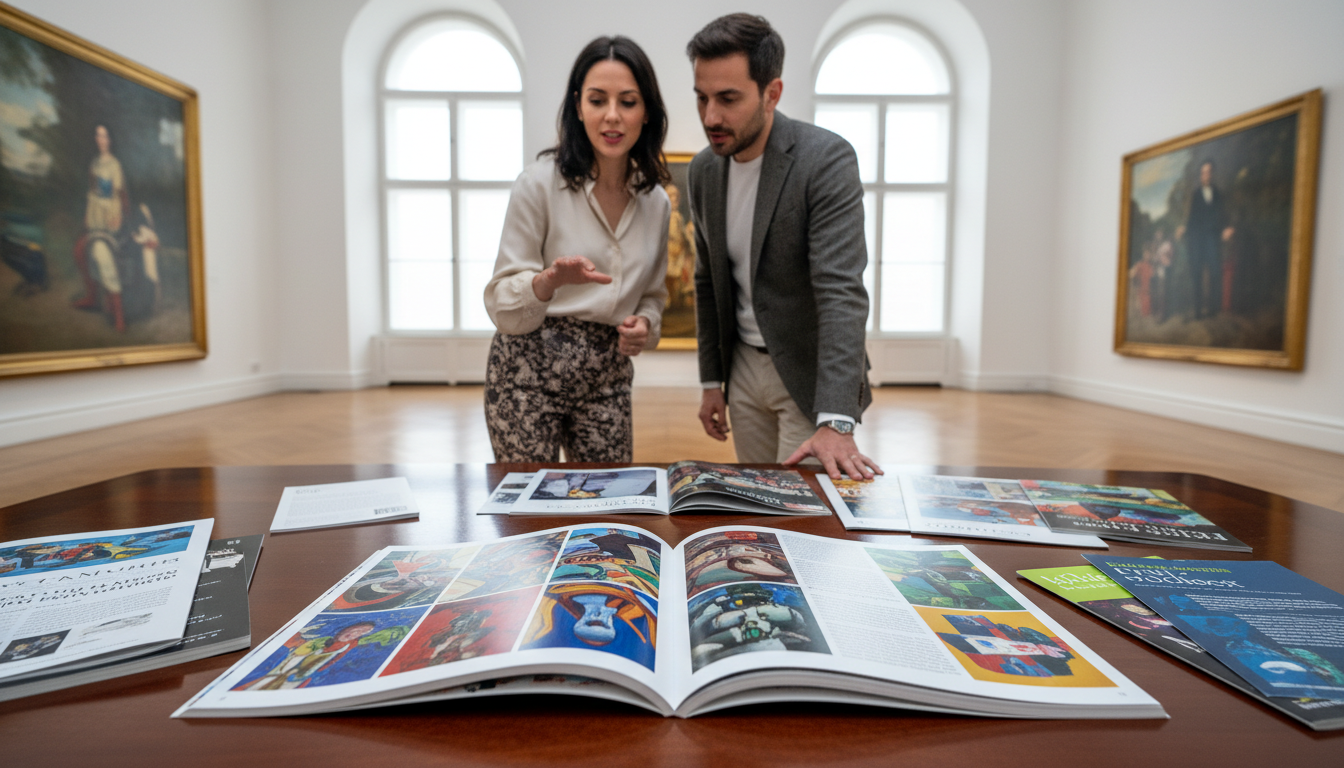

Mastering art exhibitions requires a blend of creativity, planning, and execution. Whether you’re a seasoned artist or just starting out, a well-curated exhibition can be a game-changer for your career.
With expert advice, you can navigate the process with confidence. This comprehensive guide covers everything from conceptualization to the final execution, ensuring you’re well-prepared to showcase your work.
By following this guide, you’ll gain insights into creating a compelling exhibition that resonates with your audience. From selecting the right venue to promoting your event, we’ll walk you through the essential steps to make your exhibition a success.
Key Takeaways
- Understand the importance of planning in art exhibitions
- Learn how to curate your work effectively
- Discover expert tips for promoting your exhibition
- Gain insights into creating an engaging exhibition experience
- Find out how to measure the success of your exhibition
Understanding the Art Exhibition Landscape
The art exhibition landscape encompasses a broad range of exhibition types, trends, and best practices that artists and curators must be aware of. To succeed in this competitive environment, it’s essential to understand the various facets of art exhibitions.
Types of Art Exhibitions
Art exhibitions come in various forms, each with its unique characteristics and objectives. Some common types include solo exhibitions, group exhibitions, juried exhibitions, and thematic exhibitions. Understanding the differences between these types can help artists and curators choose the most suitable format for their work.
Current Trends in the Exhibition World
The art exhibition landscape is constantly evolving, with new trends and technologies emerging regularly. Some current trends include the rise of online exhibitions, increased focus on diversity and inclusivity, and the incorporation of interactive and immersive elements. Staying abreast of these trends can help artists and curators stay competitive.
The Role of Exhibitions in an Artist’s Career
Art exhibitions play a crucial role in an artist’s career, providing opportunities for exposure, networking, and sales. Exhibitions can help artists build their reputation, gain recognition, and connect with collectors and galleries. By understanding the importance of exhibitions, artists can better navigate the art world and achieve their goals.
| Type of Exhibition | Description | Benefits |
|---|---|---|
| Solo Exhibition | Features the work of a single artist | Allows for in-depth showcase of an artist’s style and vision |
| Group Exhibition | Showcases the work of multiple artists | Provides opportunities for networking and exposure to different audiences |
| Thematic Exhibition | Focuses on a specific theme or concept | Encourages dialogue and exploration of the theme through various artistic interpretations |
A well-defined purpose and vision are the foundation upon which a memorable art exhibition is built. Expert advice suggests that a clear understanding of your exhibition’s objectives is crucial for its success.
Establishing Clear Objectives
To start, identify the primary goals of your exhibition. Are you showcasing new work, raising your profile, or contributing to a specific art movement? Establishing clear objectives will guide your decisions throughout the planning process.
Creating a Cohesive Thematic Concept
Develop a thematic concept that ties your exhibition together. This could be a unifying theme, a specific medium, or a particular style. A cohesive concept enhances the viewer’s experience and provides a clear narrative for your exhibition.
Identifying Your Target Audience
| Audience Type | Characteristics | Engagement Strategies |
|---|---|---|
| Art Enthusiasts | Knowledgeable about art trends and history | Curated tours, artist talks |
| Local Community | Interested in local culture and events | Social media campaigns, local press coverage |
To host a successful art exhibition, developing a detailed timeline is essential. This timeline serves as a roadmap, guiding you through the various stages of preparation and ensuring that all aspects of the exhibition are well-coordinated.
Creating a Comprehensive Exhibition Schedule
Begin by establishing a comprehensive schedule that outlines all tasks and deadlines. This should include venue selection, artist invitations, artwork submission guidelines, and marketing strategies. By breaking down the planning process into manageable tasks, you can better track progress and stay on schedule.
Important Milestones and Deadlines
Identify key milestones such as:
- Confirming the exhibition date and venue
- Issuing invitations to artists and curators
- Receiving artwork submissions
- Finalizing exhibition catalogs and promotional materials
By setting clear deadlines for these milestones, you can maintain momentum and ensure a smooth execution of the exhibition.
Contingency Planning for Common Challenges
No matter how meticulously you plan, unexpected challenges can arise. Best practices include having contingency plans in place for potential issues such as last-minute cancellations, artwork damage, or technical failures. By anticipating these challenges and having backup plans ready, you can minimize disruptions and maintain a successful exhibition.
Following these best practices and incorporating art exhibitions tips into your planning process can significantly enhance the success of your event. Effective timeline management is crucial for a stress-free and enjoyable experience for both organizers and attendees.
Selecting the Perfect Venue
The venue sets the tone for the entire art exhibition experience. It is a crucial element that can make or break the event’s success.
When it comes to choosing a venue, artists are often faced with the decision between traditional and alternative exhibition spaces. Traditional venues, such as galleries and museums, offer established reputations and foot traffic. On the other hand, alternative spaces can provide unique and innovative environments that can differentiate your exhibition from others.
Traditional vs. Alternative Exhibition Spaces
Traditional exhibition spaces have long been the cornerstone of the art world, offering a familiar and respected environment for showcasing art. However, alternative spaces are gaining popularity for their ability to offer something new and different.
As noted by art expert
“The right venue can make a significant difference in how your art is perceived. It’s not just about the space; it’s about creating an experience.”
| Venue Type | Advantages | Disadvantages |
|---|---|---|
| Traditional | Established reputation, foot traffic | High competition, rigid rules |
| Alternative | Unique environment, flexibility | Uncertain audience, logistical challenges |
Regardless of the type of venue you choose, there are several key factors to consider. These include:
- Space dimensions and layout
- Lighting and climate control
- Security and insurance options
- Accessibility for visitors and artwork
For more detailed guidance on selecting a venue, consider visiting expert resources that provide insights into venue selection for events.
Negotiating Terms and Contracts
Once you’ve selected a venue, it’s essential to negotiate the terms and conditions of the contract carefully. Pay attention to details such as commission rates, payment terms, and cancellation policies.
By carefully considering your venue options and negotiating a fair contract, you can ensure a successful and stress-free art exhibition.
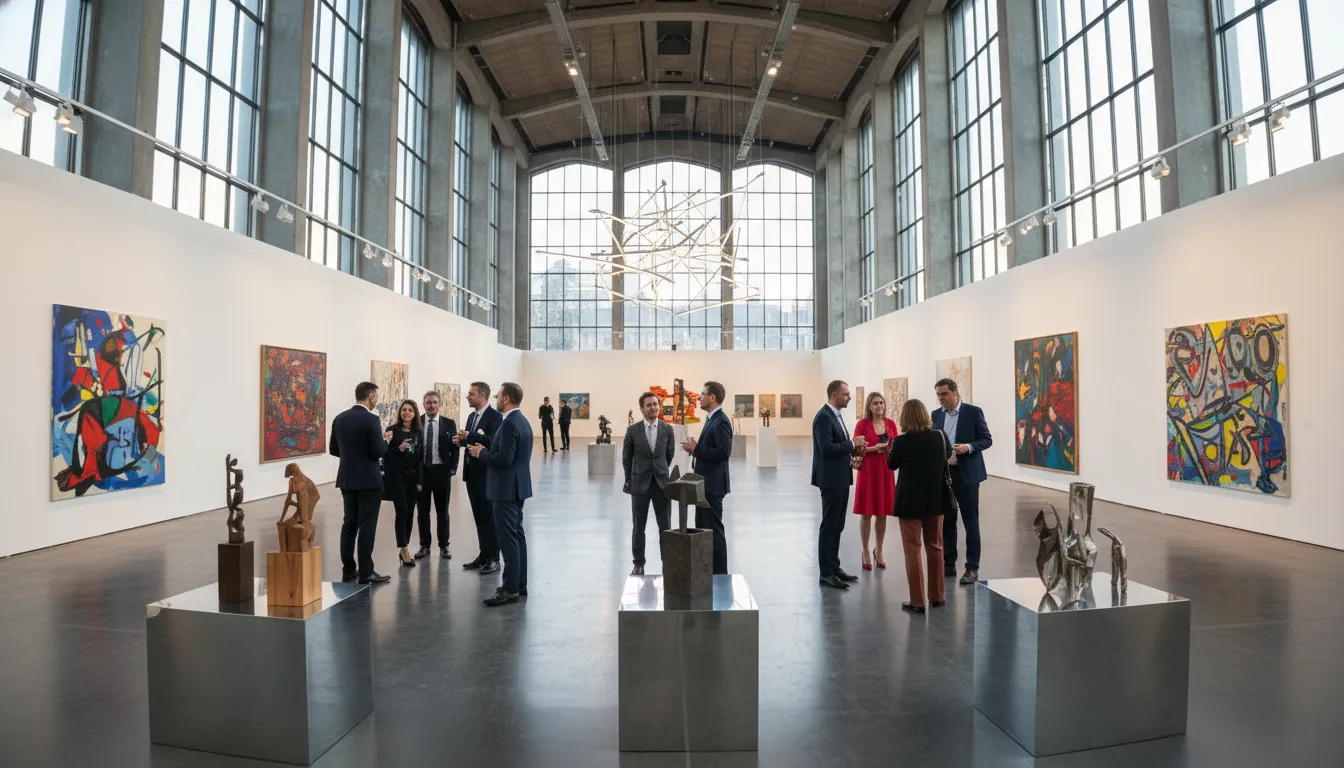
Budgeting for Success
A well-planned budget is crucial for turning your artistic vision into reality. Effective financial management enables artists to allocate resources efficiently, ensuring a successful exhibition.
Typical Exhibition Costs
Understanding the costs associated with hosting an art exhibition is vital. Typical expenses include venue rental, marketing materials, insurance, and installation costs. Venue rental can vary significantly depending on location and size. It’s essential to allocate a substantial portion of your budget to marketing and promotion to attract potential buyers and art enthusiasts.
Funding Options and Sponsorships
Exploring various funding options can help alleviate financial stress. Artists can seek sponsorships from local businesses, apply for grants, or crowdfunding. Building relationships with potential sponsors can provide not only financial support but also exposure for your work.
Cost-Saving Strategies for Independent Artists
Independent artists can adopt several cost-saving strategies. Using digital marketing instead of traditional advertising can be more cost-effective. Additionally, collaborating with other artists or local art organizations can help share costs and resources.
By understanding typical costs, exploring funding options, and implementing cost-saving strategies, artists can host successful exhibitions within their budget. Following these best practices will help ensure a memorable and impactful art exhibition.
Curating Your Collection
Effective curation is the backbone of any successful art exhibition, transforming individual pieces into a cohesive narrative. As you prepare to curate your collection, consider the overall impact you wish to achieve.
Selection Criteria for Artwork
When selecting artwork for your exhibition, several factors come into play. Consider the theme or concept of your exhibition and how each piece contributes to it. Other crucial factors include:
- The artistic merit of the work
- How the piece interacts with other artworks in the exhibition
- The emotional or intellectual response it elicits from viewers
By carefully evaluating these aspects, you can curate a collection that resonates with your audience.
Creating a Narrative Through Arrangement
The arrangement of artworks within your exhibition space can significantly influence the viewer’s experience. To create a compelling narrative, consider the flow and juxtaposition of the artworks. Experiment with different layouts to find the most engaging and coherent arrangement.
Working With Guest Artists and Curators
Collaborating with guest artists and curators can bring fresh perspectives to your exhibition. When working with others, it’s essential to establish clear communication channels and define roles and responsibilities.
Collaborative Curation Approaches
Collaborative curation involves working closely with artists, curators, or other stakeholders to develop the exhibition’s concept and content. This approach can lead to innovative and engaging exhibitions that benefit from diverse viewpoints.
Managing Artist Relationships
Building and maintaining positive relationships with artists is crucial for the success of your exhibition. Be responsive to their needs, provide clear guidance on the curation process, and ensure they are credited appropriately.
By following these expert tips and considering the unique aspects of your exhibition, you can curate a collection that not only showcases your art but also tells a compelling story. For more insights, refer to our comprehensive art exhibitions guide.
The Complete Art Exhibitions Guide: From Concept to Opening Night
Mastering the art of exhibitions requires meticulous planning, from conceptualization to the excitement of opening night. As emphasized by renowned art curator,
“The success of an exhibition lies in the details and the ability to bring a concept to life.”
This comprehensive guide will walk you through the essential steps to ensure a successful exhibition, from preparation to the big day.
Pre-Exhibition Checklist
Before the exhibition day arrives, several tasks need to be completed. These include:
- Confirming the venue and ensuring it is ready for setup
- Finalizing the artwork and transportation arrangements
- Preparing exhibition materials, such as catalogs and artist statements
- Coordinating with staff and volunteers on their roles and responsibilities
For a detailed checklist, refer to our exhibition guide, which provides a comprehensive overview of pre-exhibition tasks.
Day-of-hibition Timeline
On the day of the exhibition, a smooth timeline is crucial. Key activities include:
- Setting up the venue, including arranging artwork and exhibition materials
- Conducting a dry run to ensure everything is in place
- Managing the registration and greeting process for guests
- Being prepared to troubleshoot any last-minute issues
Troubleshooting Common Issues
Despite careful planning, issues may arise. Being prepared to troubleshoot can save the day. Common problems include:
- Technical issues with lighting or display equipment
- Last-minute cancellations or changes
- Logistical challenges, such as delayed artwork delivery
Staying calm and having a backup plan can help mitigate these issues. As a best practice, always have a contingency plan in place.
By following this guide and incorporating best practices and art exhibitions tips, you can ensure a successful and memorable exhibition.
Designing Your Exhibition Space
Designing an effective exhibition space requires careful consideration of several key elements. A well-planned space can significantly enhance the viewer’s experience and the overall impact of your art exhibition.
Lighting Techniques for Optimal Viewing
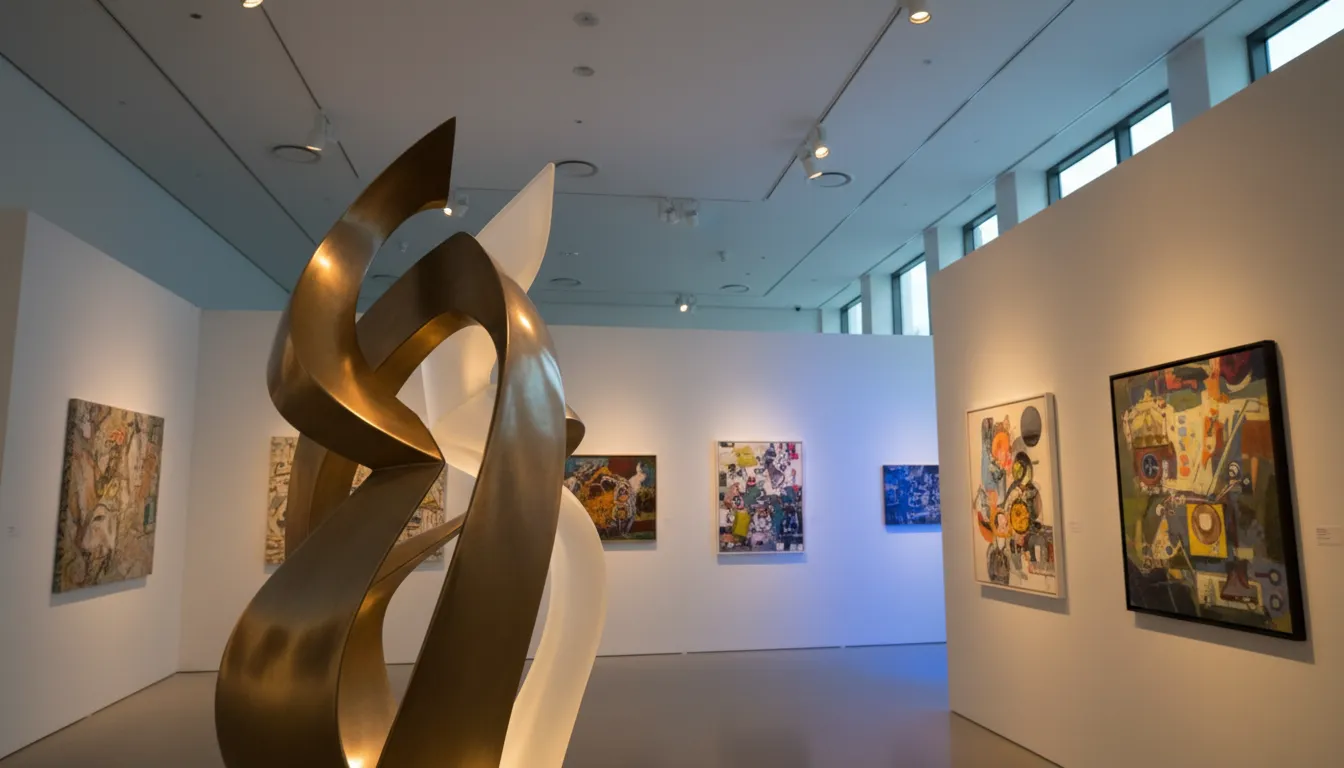
Lighting is a critical aspect of exhibition design. Proper lighting can highlight the artwork’s best features and create an inviting atmosphere. Consider using a combination of track lighting, spotlights, and ambient lighting to achieve the desired effect. LED lighting is a popular choice due to its energy efficiency and minimal heat output, which helps preserve the artwork.
Traffic Flow and Visitor Experience
The layout of your exhibition space should facilitate a smooth traffic flow, allowing visitors to navigate easily and view the artwork without congestion. Consider the visitor’s journey and plan the space to guide them through the exhibition logically.
Wall Text and Labeling Best Practices
Clear and concise wall text and labeling are essential for providing context to your artwork. This includes artist statements, artwork labels, and other explanatory texts.
Writing Effective Artwork Labels
Artwork labels should be informative, including details such as the artwork’s title, medium, size, and price (if applicable). Keep the language concise and ensure the text is legible by using an appropriate font size and style.
Creating Accessible Text Formats
To make your exhibition more inclusive, consider providing text in accessible formats. This can include braille labels, large print texts, and digital versions of the exhibition catalog or wall texts. Accessibility features like these can significantly enhance the visitor experience for people with disabilities.
By focusing on these key elements, you can create an exhibition space that not only showcases your artwork effectively but also provides a memorable experience for your visitors. Following these expert advice tips will help you design a successful art exhibition as part of your comprehensive art exhibitions guide.
Installation Techniques and Best Practices
To create an impactful art exhibition, it’s essential to master effective installation techniques and adhere to best practices. A successful installation not only enhances the visual appeal of the artwork but also ensures its safety and longevity.
Artwork Handling and Safety
Handling artwork requires great care to prevent damage. It’s crucial to use gloves when touching artwork to prevent oils from your skin from coming into contact with the art. For more information on handling and conserving artwork, resources like art conservation courses can provide valuable insights.
Hanging Systems and Methods
The choice of hanging system depends on the type of artwork and the exhibition space. Common methods include using nails, screws, or adhesive strips. It’s essential to ensure that the hanging system is secure and can support the weight of the artwork.
Protecting Artwork During Exhibition
Protecting artwork during an exhibition involves controlling environmental factors such as lighting, temperature, and humidity. Using UV-filtering glass or acrylic can help protect artwork from light damage.
By following these best practices and techniques, artists and curators can ensure a successful and safe art exhibition.
Creating Compelling Exhibition Materials
A well-planned art exhibition is backed by compelling materials that engage and inform visitors. Expert advice can guide artists in creating these materials, which include artist statements, exhibition catalogs, digital content, and signage. These elements work together to enhance the overall exhibition experience.
Artist Statements and Exhibition Catalogs
An artist statement provides insight into the artist’s vision and the themes explored in the exhibition. It is essential to craft a statement that is both informative and engaging. Exhibition catalogs, on the other hand, serve as a tangible record of the exhibition, often featuring images of the artwork along with detailed descriptions.
| Material | Purpose | Key Elements |
|---|---|---|
| Artist Statement | Provides insight into the artist’s vision | Clear theme explanation, personal touch |
| Exhibition Catalog | Serves as a record of the exhibition | Images of artwork, detailed descriptions |
In today’s digital age, having a strong online presence is crucial for art exhibitions. This includes creating engaging digital content such as social media posts, email newsletters, and dedicated exhibition websites. Digital materials help reach a broader audience and provide an additional layer of engagement for visitors.
Designing Effective Exhibition Signage
Exhibition signage plays a critical role in guiding visitors through the exhibition and providing them with essential information. Effective signage is clear, concise, and visually appealing. It should be designed to complement the exhibition’s overall aesthetic while ensuring that key information is easily accessible.
By focusing on these elements, artists can create a cohesive and engaging exhibition experience that leaves a lasting impression on visitors.
Marketing and Promotion Strategies
Creating a buzz around your art exhibition requires a thoughtful approach to marketing and promotion. Effective strategies can help attract a larger audience, generate interest among potential buyers, and ultimately lead to a successful event.
Building Pre-Exhibition Buzz
Building anticipation before the exhibition is crucial. Start by creating a teaser campaign on social media, sharing snippets of the artwork, and giving glimpses into the preparation process. Utilize email marketing to keep your subscribers informed about the upcoming event. You can also host preview events or webinars to generate excitement.
Social Media Campaigns for Artists
Social media is a powerful tool for promoting your art exhibition. Create engaging content that showcases your artwork, shares behind-the-scenes moments, and interacts with your followers. Use relevant hashtags to increase visibility, and consider running targeted ads to reach a broader audience.
Press Relations and Media Kits
Press coverage can significantly boost your exhibition’s visibility. Prepare a comprehensive media kit that includes high-quality images of your artwork, an artist statement, and a press release. Reach out to local art critics, journalists, and media outlets to secure coverage.
Writing Effective Press Releases
A well-crafted press release is essential for grabbing the attention of media professionals. Ensure that your press release is concise, informative, and includes all the necessary details about your exhibition. Highlight what’s unique about your event to make it stand out.
Cultivating Media Relationships
Building relationships with media professionals can lead to more coverage and exposure for your exhibition. Attend industry events, engage with journalists on social media, and offer exclusive stories or interviews to foster these relationships.
By implementing these marketing and promotion strategies, you can ensure a successful art exhibition that attracts a wide audience and generates significant interest in your artwork. Remember to follow best practices and stay adaptable to changes in the market to maximize your event’s potential.
Virtual and Online Exhibitions
The art world is witnessing a significant shift with the emergence of virtual and online exhibitions. As technology continues to advance, artists and curators are leveraging digital platforms to showcase their work to a global audience.
Digital Exhibition Platforms
Several digital exhibition platforms have emerged, offering a range of services from virtual gallery spaces to online sales capabilities. Some popular platforms include:
- Artsy
- Saatchi Art
- Behance
These platforms provide artists with the opportunity to reach a broader audience and gain international exposure.
Creating Engaging Virtual Experiences
To create engaging virtual experiences, curators can incorporate interactive elements such as:
- Virtual tours
- Artist interviews
- Live events
Table: Comparison of Virtual Exhibition Features
| Platform | Virtual Tours | Artist Interviews | Live Events |
|---|---|---|---|
| Arts | Yes | No | Yes |
| Saatchi Art | No | Yes | No |
| Behance | Yes | Yes | Yes |
Hybrid models combine physical and virtual elements, offering a comprehensive exhibition experience. This approach allows artists to reach both local and global audiences.
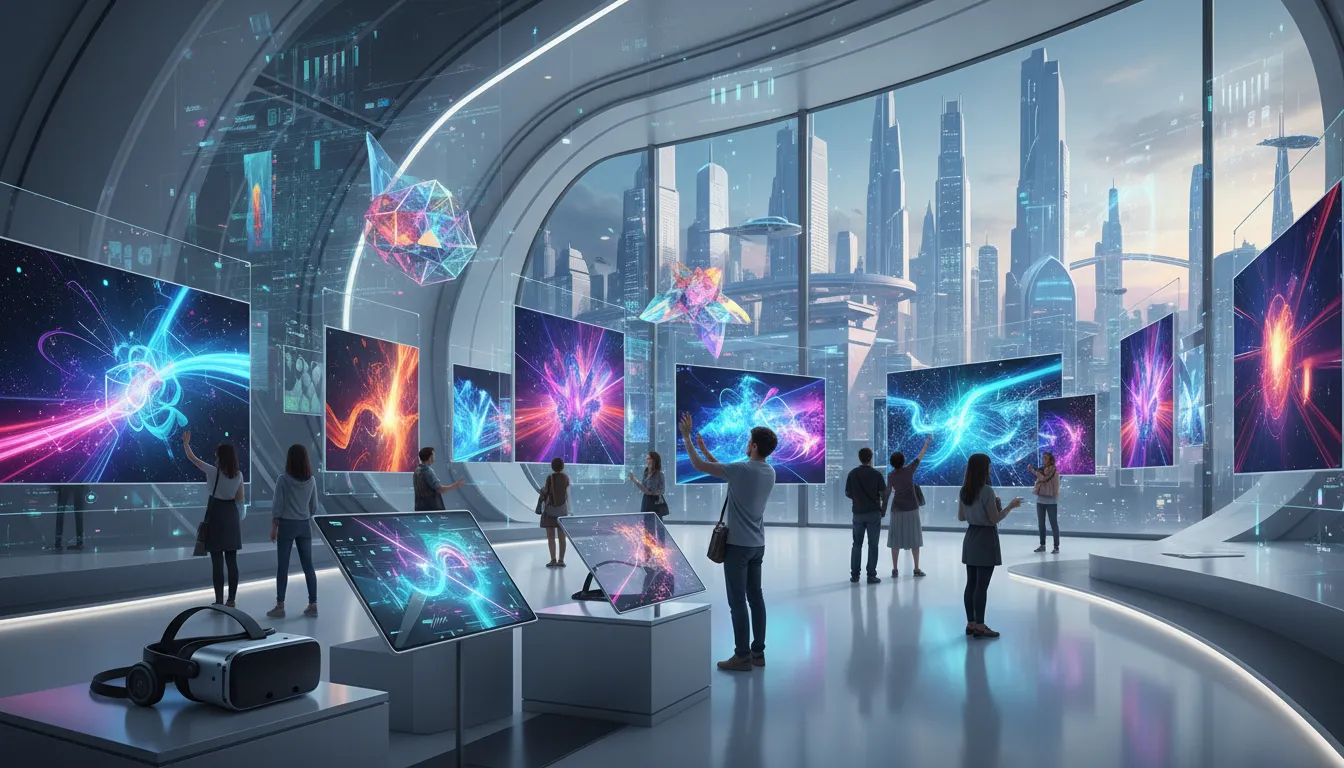 By embracing virtual and online exhibitions, artists can expand their reach and create innovative, engaging experiences for their audiences. For expert advice on navigating these new platforms, consider consulting an art exhibitions guide.
Opening Night Success Tactics
Creating a memorable opening night for your art exhibition requires meticulous planning and attention to detail. It’s the culmination of your hard work and a critical moment for making a lasting impression on potential buyers, critics, and art enthusiasts.
Creating a Memorable Experience
To create a memorable experience, consider the ambiance and overall atmosphere of your exhibition. Lighting plays a crucial role in showcasing your artwork effectively. Ensure that the venue is well-lit, and the lighting is adjusted to highlight the best features of your art pieces.
Interactive elements can also enhance the visitor experience. Consider incorporating artist talks, live music, or guided tours to engage your audience and make the event more memorable.
Managing the Guest List and VIPs
Managing your guest list is vital for a successful opening night. Identify VIP guests such as art collectors, critics, and influencers, and ensure they receive special attention. Create a guest list management system to track RSVPs and monitor attendance.
| Guest Category | Special Considerations |
|---|---|
| VIPs | Personalized invitations, special meet-and-greet opportunities |
| Art Collectors | Access to exclusive preview events, detailed art catalogs |
| Media and Critics | Press kits, interviews with the artist, exclusive content |
Documentation is key to capturing the success of your opening night. Hire a professional photographer to capture high-quality images of your artwork, attendees, and the overall event. These photos can be used for future marketing efforts and social media promotion.
By focusing on these key areas, you can ensure a successful and memorable opening night for your art exhibition.
Sales and Commercial Considerations
Understanding the commercial aspects of art exhibitions is vital for artists seeking to turn their passion into a profitable venture. For many artists, sales are a key aspect of an exhibition, providing not only financial returns but also validation of their work.
Pricing Your Artwork Effectively
Pricing artwork effectively is a critical skill that can significantly impact sales. Artists should consider factors such as material costs, time invested, and the prices of comparable artists when setting their prices. Researching the market and understanding the price range for similar artworks can help artists position their work competitively.
Sales Systems and Documentation
Having a robust sales system in place is essential for managing artwork sales efficiently. This includes maintaining detailed records of available artworks, sales agreements, and invoices. Artists can benefit from using standardized sales contracts that outline terms and conditions, protecting both the artist and the buyer. For more information on managing exhibitions, artists can refer to resources like UFI’s educational materials.
Post-Sale Follow-up with Collectors
Following up with collectors after a sale is crucial for building long-term relationships and encouraging repeat business or referrals. Artists should maintain a database of collector information and engage with them through newsletters or updates on new work. Personalized communication can make collectors feel valued and more likely to support the artist’s future endeavors.
- Research the market to price your artwork competitively.
- Use standardized sales contracts to protect both parties.
- Maintain a collector database for post-sale follow-ups.
Networking and Building Professional Relationships
Building a strong professional network is crucial for artists looking to make a lasting impact in the art world. By fostering connections with key stakeholders, artists can gain valuable insights, access new opportunities, and enhance their career prospects.
Connecting with Galleries and Collectors
Establishing relationships with galleries and collectors is vital for artists seeking to showcase and sell their work. Researching and targeting the right galleries and collectors can help artists gain representation and increase their visibility in the art market. For more insights on building business relationships, check out these recommended networking books.
Collaborative Opportunities with Other Artists
Collaborating with fellow artists can lead to innovative projects, shared resources, and mutual support. By working together, artists can expand their audience and create new opportunities for growth.
Leveraging Exhibitions for Future Opportunities
Exhibitions provide a platform for artists to showcase their work and connect with industry professionals. By leveraging these events effectively, artists can secure future exhibitions, commissions, and other career-advancing opportunities.
Conclusion
Organizing a successful art exhibition requires meticulous planning, precise execution, and diligent follow-up. By following the expert advice outlined in this comprehensive art exhibitions guide, artists can ensure a captivating and memorable experience for their audience.
From defining the exhibition’s purpose and vision to selecting the perfect venue, and from curating the collection to creating compelling exhibition materials, every step plays a crucial role in the overall success. Effective marketing and promotion strategies, coupled with a well-designed exhibition space, can significantly enhance the overall impact.
As artists navigate the complex world of art exhibitions, this guide serves as a valuable resource, providing insights and practical tips to overcome common challenges. By applying the knowledge and expertise shared throughout this guide, artists can confidently showcase their work, connect with their audience, and achieve their goals.
With careful planning and execution, artists can create a lasting impression, fostering a deeper appreciation for their art and leaving a lasting legacy. This art exhibitions guide has been designed to empower artists with the knowledge and confidence to succeed in the competitive art world.
FAQ
What are the key elements to consider when planning an art exhibition?
When planning an art exhibition, it’s essential to consider the exhibition’s purpose and vision, target audience, venue, budget, and marketing strategy. Effective planning involves creating a comprehensive timeline, selecting the right venue, and budgeting for success.### How do I choose the right venue for my art exhibition?
To choose the right venue, consider traditional versus alternative exhibition spaces, venue requirements, and contract negotiation tips. Ensure the venue aligns with your exhibition’s purpose and vision, and negotiate terms that meet your needs.### What are the typical costs associated with hosting an art exhibition?
Typical costs include venue rental, marketing and promotion, artwork transportation and installation, and staffing. Understanding these costs is crucial for creating a realistic budget and securing funding or sponsorships.### How can I effectively market and promote my art exhibition?
Effective marketing involves building pre-exhibition buzz, leveraging social media campaigns, and cultivating press relations. Create a compelling artist statement, design engaging exhibition materials, and distribute press releases to attract media attention.### What are some best practices for curating a successful art exhibition?
Curating a successful exhibition involves selecting artwork that aligns with the exhibition’s theme, creating a narrative through arrangement, and working with guest artists and curators. Consider collaborative curation approaches and manage artist relationships effectively.### How can I ensure a successful opening night for my art exhibition?
To ensure a successful opening night, create a memorable experience, manage the guest list and VIPs, and document the event. Focus on providing excellent customer service, and have a plan in place for sales and commercial considerations.### What are some tips for pricing my artwork effectively during an exhibition?
Pricing artwork effectively involves considering factors such as the artwork’s size, medium, and complexity, as well as the artist’s reputation and target audience. Research the market, consult with art professionals, and be prepared to negotiate.### How can I leverage my art exhibition for future opportunities?
To leverage your exhibition for future opportunities, focus on building professional relationships with galleries, collectors, and other artists. Follow up with collectors after the sale, and be open to collaborative opportunities that can lead to new exhibitions and projects.