
Comparing DSLR vs Mirrorless Cameras for Photography
As photography continues to evolve, understanding the differences between these two types of cameras is crucial for capturing the perfect shot.
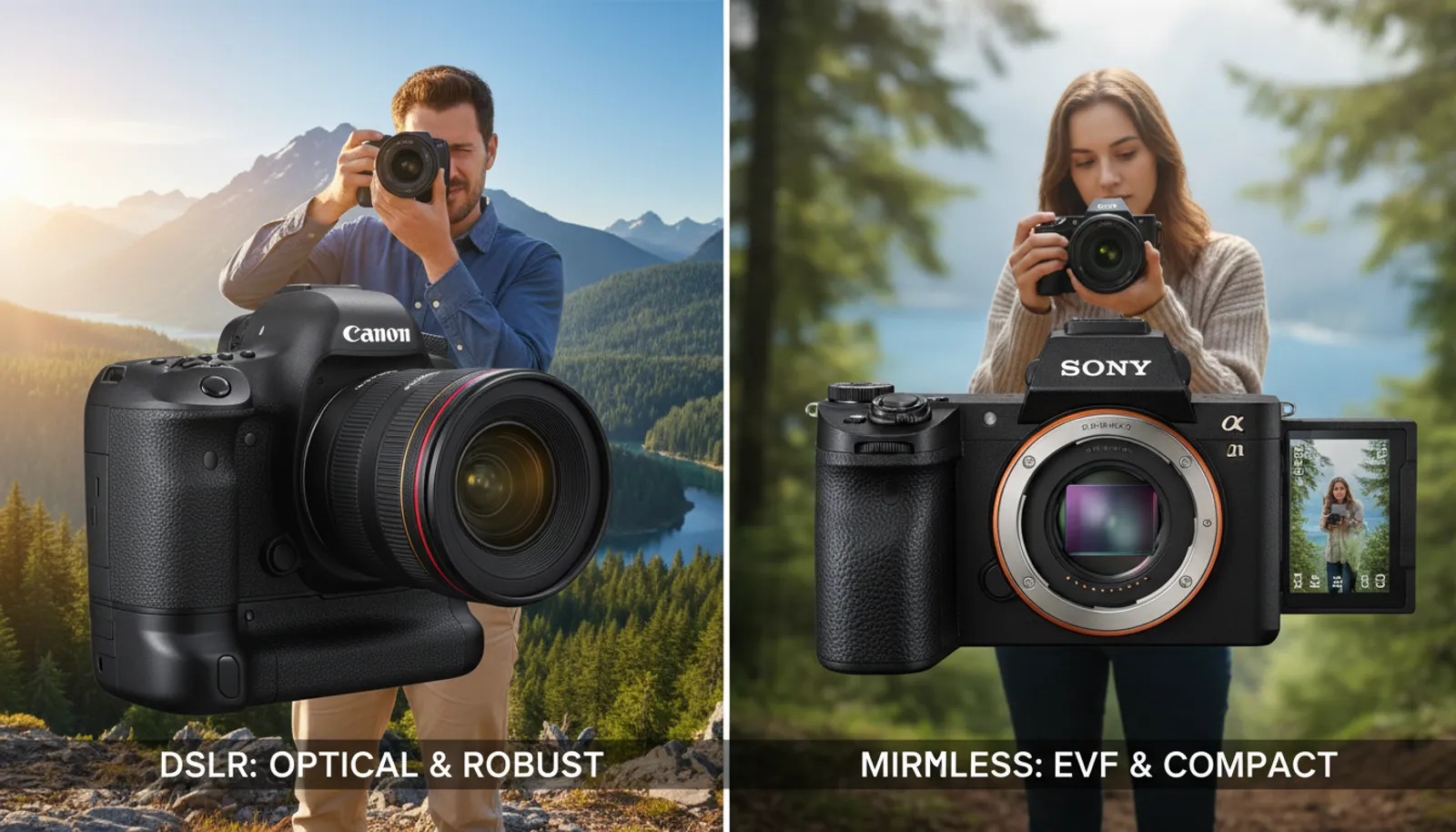

22 min read
Choosing the right camera can be a daunting task, especially with the ongoing debate between DSLR and mirrorless cameras.
As photography continues to evolve, understanding the differences between these two types of cameras is crucial for capturing the perfect shot.
Whether you’re a beginner or an experienced photographer, this comparison guide will help you make an informed decision when selecting a camera that suits your needs.
Key Takeaways
- Understanding the key differences between DSLR and mirrorless cameras.
- Identifying the advantages and disadvantages of each camera type.
- Learning how to choose the right camera for your photography needs.
- Exploring the latest features and technologies in modern cameras.
- Gaining insights into the best camera for different photography styles.
Understanding Camera Technology Basics
To make an informed decision between DSLR and mirrorless cameras, it’s essential to understand the fundamental technology behind each type. The core difference lies in how they capture and process images.
How DSLR Cameras Work
DSLR cameras operate using a mirror and pentaprism system to direct light from the lens to the optical viewfinder. This allows photographers to preview their shot exactly as it will be captured.
The Mirror and Pentaprism System
The mirror reflects light up to the pentaprism, which then redirects it to the optical viewfinder. This system enables accurate framing and previewing of the image.
Optical Viewfinder Mechanics
The optical viewfinder provides a direct, unprocessed view of the scene, offering a clear and lag-free preview. This is particularly useful in bright lighting conditions.
How Mirrorless Cameras Work
Mirrorless cameras, on the other hand, use a direct sensor exposure design, where light hits the image sensor directly, and the preview is displayed electronically.
Direct Sensor Exposure Design
Without a mirror, light passes directly to the sensor, which sends a live feed to the electronic viewfinder or LCD screen, allowing for real-time preview and adjustments.
Electronic Viewfinder Technology
Electronic viewfinders display a processed version of the image, offering benefits like exposure preview, histogram display, and focus peaking, enhancing the shooting experience.
Understanding these technological differences is crucial for photographers choosing between DSLR and mirrorless systems. Each has its advantages, from the optical viewfinder of DSLRs to the advanced preview capabilities of mirrorless cameras.
When considering the best camera types for photography, it’s essential to weigh these technological aspects against your specific needs and preferences.
- DSLR cameras offer an optical viewfinder and potentially better battery life.
- Mirrorless cameras provide advanced autofocus and real-time preview capabilities.
- Both types have their place in modern photography camera options.
The Evolution of DSLR vs Mirrorless Cameras
Understanding the evolution of DSLR and mirrorless cameras requires a look into their historical backgrounds and technological milestones. The development of these camera types has been marked by significant innovations, shaping the photography industry into what it is today.
DSLR Camera History and Development
DSLR cameras have a rich history that dates back to film SLRs. The transition from film to digital technology was a pivotal moment in their evolution.
From Film SLRs to Digital Revolution
The shift from film SLRs to digital SLRs (DSLRs) was a significant technological leap. Early digital SLRs retained the optical viewfinder and interchangeable lens system of their film counterparts, but replaced film with digital sensors. This transition enabled features like instant review of captured images and the ability to easily store hundreds of photos.
Key DSLR Innovations Over Time
Over the years, DSLRs have seen numerous innovations, including improvements in sensor technology, autofocus systems, and burst mode capabilities. These advancements have made DSLRs highly versatile tools for photographers. Notable enhancements include increased resolution, better low-light performance, and faster autofocus.
The Rise of Mirrorless Technology
Mirrorless cameras, introduced later than DSLRs, have rapidly gained popularity due to their compact size and advanced features.
Early Mirrorless Systems
The first mirrorless cameras were met with skepticism due to their electronic viewfinders and initially limited lens selections. However, they offered a more compact alternative to DSLRs, appealing to photographers looking for portability without sacrificing image quality.
Recent Technological Breakthroughs
Recent years have seen significant breakthroughs in mirrorless technology, including enhanced autofocus capabilities, improved video features, and increased sensor resolution. These advancements have positioned mirrorless cameras as strong competitors to DSLRs, offering many of the same features in a more compact form. The future of mirrorless technology looks promising, with ongoing innovations expected to further bridge the gap between DSLR and mirrorless systems.
The evolution of both DSLR and mirrorless cameras continues, with each type pushing the boundaries of what is possible in photography. As technology advances, the choice between DSLR and mirrorless will depend on the specific needs and preferences of photographers.
Size and Weight Comparison
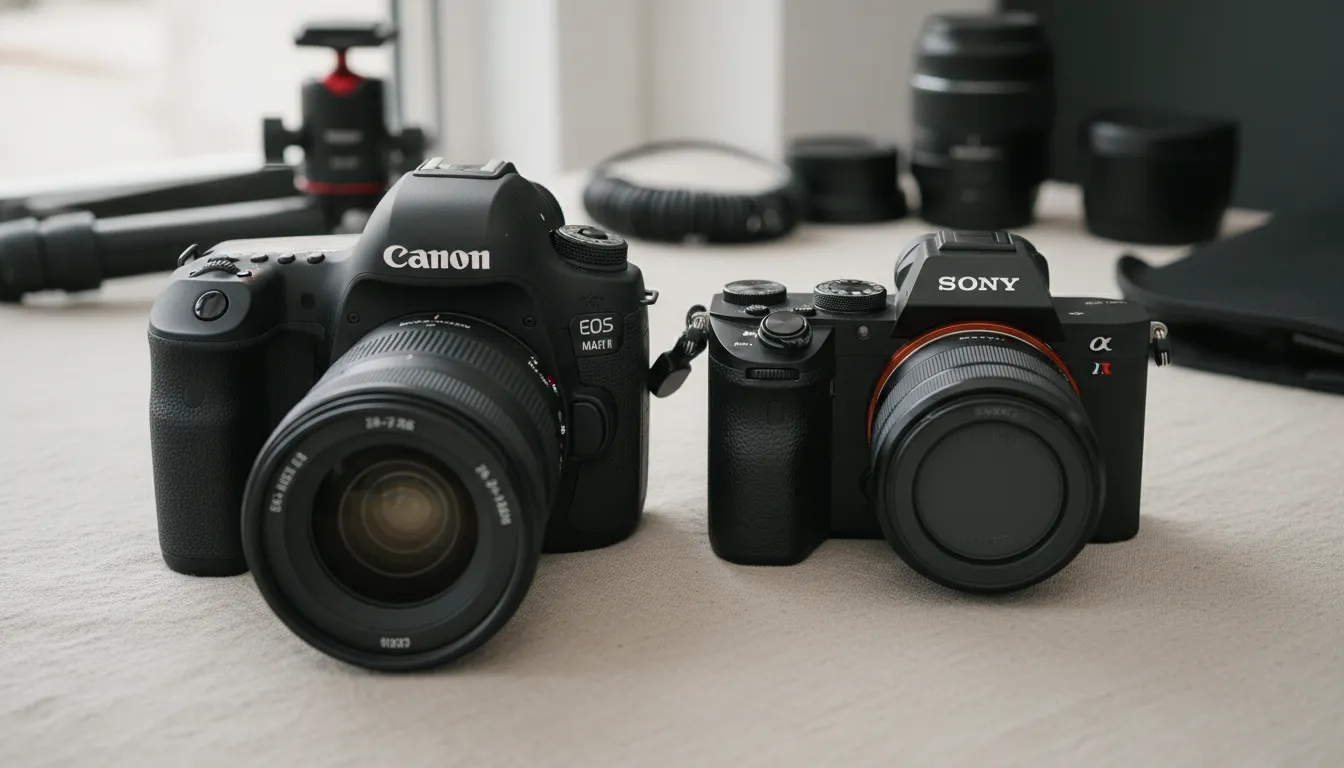
When choosing between DSLR and mirrorless cameras, one crucial factor to consider is their size and weight. The physical dimensions of a camera system can significantly impact a photographer’s experience, especially during extended shooting sessions or when traveling.
DSLR Body and Lens Dimensions
DSLR cameras are generally larger due to their optical viewfinder and mirror mechanism. Full-frame DSLRs are particularly bulky.
Full-Frame DSLR Form Factors
Full-frame DSLRs house larger sensors and mirrors, making them larger and heavier. Professional DSLRs like the Nikon D850 are built with durability in mind, adding to their size.
Lens Size Considerations
DSLR lenses vary in size, with high-quality options being larger and heavier. This contributes to the overall bulk of the camera system.
Mirrorless Portability Advantages
Mirrorless cameras are designed to be more compact by eliminating the mirror mechanism, creating smaller and lighter bodies.
Compact System Design Benefits
The compact design offers easier handling and reduced fatigue. This is advantageous for travel photographers who need to carry their gear over extended periods.
Travel Photography Implications
For travel photographers, the reduced size and weight of mirrorless systems can be a significant advantage, allowing for more gear or less strain during travel.
Viewfinder Experience: Optical vs Electronic
The viewfinder is a critical component in any camera system, and understanding the differences between optical and electronic viewfinders is essential for photographers. When choosing between DSLR and mirrorless cameras, the viewfinder experience can significantly influence the decision-making process.
Optical Viewfinder Benefits and Limitations
DSLR cameras utilize optical viewfinders, which provide a direct view of the scene through the lens. This offers a real-time viewing experience with no lag or delay.
Real-Time Viewing Experience
One of the primary advantages of optical viewfinders is their ability to provide an unaltered view of the scene. Photographers can see exactly what the lens captures without any electronic interference.
Battery Efficiency Advantages
Optical viewfinders are also more battery-efficient compared to electronic viewfinders, as they don’t require power to operate. This can be a significant advantage for photographers who shoot over extended periods.
Electronic Viewfinder Technology and Advancements
Mirrorless cameras, on the other hand, use electronic viewfinders (EVFs), which display a digital representation of the scene. Recent advancements in EVF technology have significantly improved their quality and usability.
WYSIWYG Preview Benefits
One of the key benefits of EVFs is their ability to provide a WYSIWYG (What You See Is What You Get) preview of the image, including exposure and white balance adjustments in real-time.
EVF Resolution and Refresh Rates
Modern EVFs offer high resolution and fast refresh rates, reducing the likelihood of motion artifacts and providing a smoother viewing experience.
In conclusion, both optical and electronic viewfinders have their unique advantages and limitations. Understanding these differences is crucial for photographers to make an informed decision when choosing between DSLR and mirrorless cameras.
DSLR vs Mirrorless Autofocus Performance
When it comes to capturing the perfect shot, understanding the autofocus capabilities of DSLR and mirrorless cameras is essential. Autofocus performance is a critical factor that can make or break the quality of your photographs.
DSLR Phase-Detection Systems
DSLR cameras utilize phase-detection autofocus, which is known for its speed and accuracy. This technology relies on a dedicated AF sensor to measure the distance of subjects from the camera.
Dedicated AF Sensor Advantages
The dedicated AF sensor in DSLRs provides fast and precise focusing, especially in good lighting conditions. This results in sharp images with minimal lag.
Tracking Moving Subjects
DSLRs are also adept at tracking moving subjects, thanks to their advanced phase-detection systems. This feature is particularly useful for wildlife and sports photography, where subjects are often in motion.
Mirrorless Hybrid Autofocus Capabilities
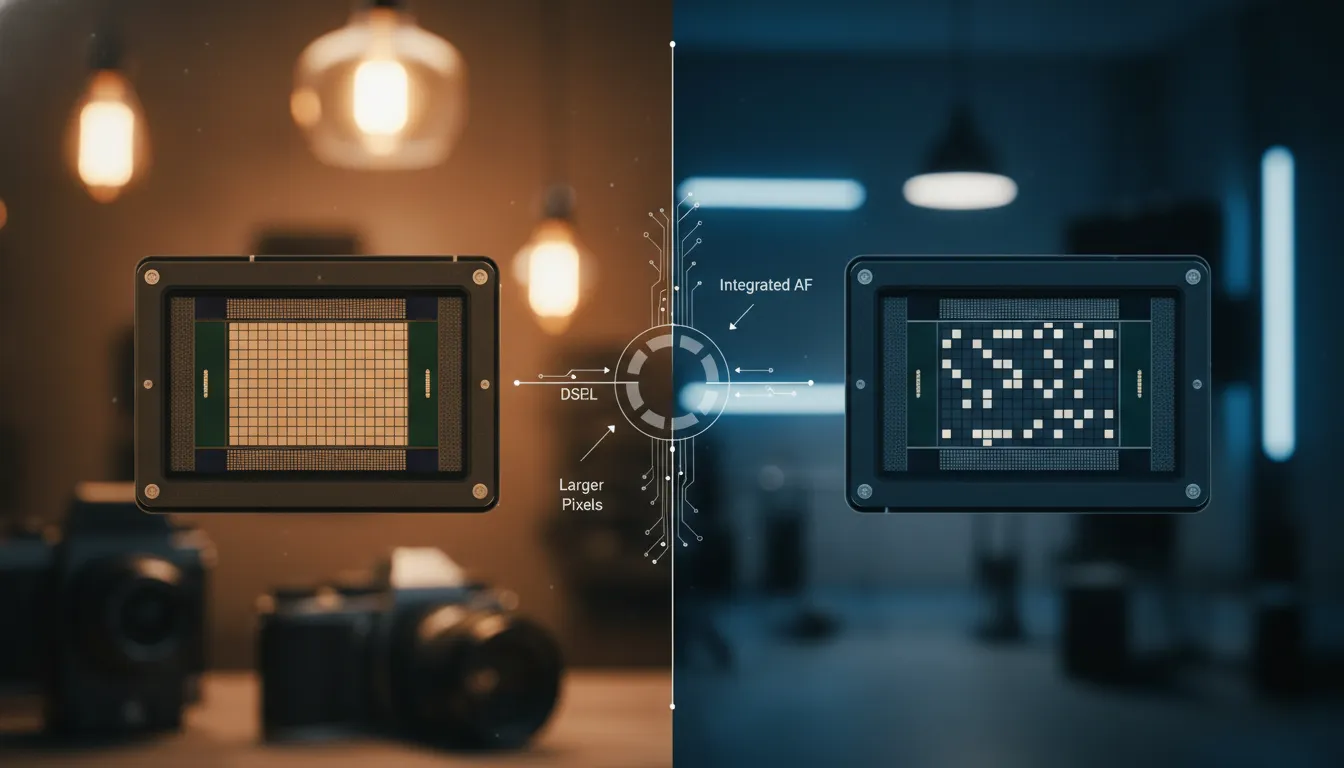
Mirrorless cameras, on the other hand, employ hybrid autofocus systems that combine phase-detection and contrast-detection methods on the image sensor itself.
On-Sensor Phase Detection
Mirrorless cameras benefit from on-sensor phase detection, which provides quick and accurate autofocus across the frame. This technology is particularly effective in low-light conditions.
Eye and Face Detection Technology
Many mirrorless cameras also feature advanced eye and face detection, ensuring that portraits are sharp and well-focused. This technology is a significant advantage for portrait photographers.
For a more detailed comparison of DSLR and mirrorless cameras, you can visit this article, which provides an in-depth analysis of both systems.
Image Quality and Sensor Technology
The heart of any camera system is its sensor, and both DSLR and mirrorless cameras have their strengths. The sensor is responsible for capturing light and converting it into an image, making it a crucial component in determining image quality.
Sensor Size Comparison
Sensor size is a critical factor in image quality. Both DSLR and mirrorless systems offer a range of sensor sizes, from full-frame to various crop sensor sizes.
Full-Frame Options in Both Systems
Full-frame sensors are available in both DSLR and mirrorless cameras, offering superior image quality, especially in low-light conditions. Full-frame sensors provide a wider dynamic range and better high ISO performance.
Crop Sensor Variations
Crop sensors, found in both DSLR and mirrorless cameras, offer advantages in terms of cost and reach. They are particularly useful for wildlife and sports photography where the extra reach is beneficial.
Resolution and Dynamic Range
Resolution and dynamic range are key aspects of image quality. Both DSLR and mirrorless cameras have made significant advancements in these areas.
High ISO Performance Differences
High ISO performance is crucial for shooting in low-light conditions. Mirrorless cameras have made significant strides, with some models offering impressive low-light capabilities. As noted by a photography expert, “The advancements in mirrorless technology have made it possible to capture high-quality images in conditions that were previously challenging.”
“The sensor is the brain of the camera, and its quality directly impacts the final image.”
Color Science Considerations
Color science is another important aspect, with different cameras offering unique color profiles. Understanding these differences is key to achieving the desired look in your photographs.
By considering these factors, photographers can make informed decisions about which camera system best suits their needs.
Battery Life and Power Management
Battery life is a significant factor in determining the best photography camera options for professionals and hobbyists alike. When choosing between DSLR and mirrorless cameras, understanding their power management is crucial.
DSLR Battery Performance
DSLR cameras are known for their superior battery life compared to mirrorless cameras. There are several reasons for this difference.
Optical Viewfinder Efficiency
One key reason is the optical viewfinder, which consumes significantly less power than electronic viewfinders. This is because optical viewfinders don’t require electronic components to operate.
Standby Power Consumption
DSLRs also tend to have lower standby power consumption. When not in use, DSLRs can enter a dormant state, reducing battery drain.
Mirrorless Power Consumption Challenges
Mirrorless cameras, on the other hand, face challenges related to power consumption. Their electronic viewfinders and continuous sensor operation drain the battery faster.
Electronic Viewfinder Drain
The electronic viewfinder in mirrorless cameras is a significant power consumer. The constant refresh rate and high-resolution display contribute to faster battery depletion.
Battery Solutions for Mirrorless Users
To mitigate this, mirrorless users can carry spare batteries, use power-saving features, or opt for external power sources like battery grips.
By understanding these differences, photographers can make informed decisions about their camera choices based on their specific needs and preferences.
Lens Ecosystems and Compatibility
Understanding the lens ecosystem and compatibility is essential for photographers choosing between DSLR and mirrorless cameras. The availability, quality, and compatibility of lenses significantly impact the overall performance and versatility of a camera system.
DSLR Lens Selection and Legacy Options
DSLR cameras have been around for decades, building a vast ecosystem of lenses. This legacy is one of the significant advantages of DSLR systems, offering a wide range of lenses for various photography needs.
Canon and Nikon DSLR Lens Libraries
Canon and Nikon, the two dominant players in the DSLR market, offer extensive lens libraries. Canon’s EF mount and Nikon’s F mount lenses are renowned for their quality and range, catering to different photographic styles and requirements.
Third-Party Lens Availability
Apart from the manufacturers’ own lenses, third-party companies like Sigma, Tamron, and Tokina provide a wide range of compatible lenses, further expanding the options available to DSLR users. This competition drives innovation and affordability.
Mirrorless Mount Systems and Adapters
Mirrorless cameras, while newer, have rapidly developed their own lens ecosystems. They offer the advantage of potentially smaller and more innovative lenses, optimized for their compact bodies.
Native Mirrorless Lens Advantages
Native mirrorless lenses are designed to be compact and optimized for mirrorless camera bodies, often providing superior performance and features. These lenses are tailored to leverage the advantages of mirrorless technology.
Using DSLR Lenses on Mirrorless Bodies
Many mirrorless systems offer adapters that allow the use of DSLR lenses on mirrorless bodies, providing a bridge between the two systems and protecting the investment of existing lens owners. This adaptability is a significant advantage for photographers transitioning between systems.
| Feature | DSLR | Mirrorless |
|---|---|---|
| Lens Ecosystem | Mature, with a wide range of lenses | Growing, with innovative designs |
| Adapter Compatibility | Limited adapter options | Many adapter options available |
| Native Lens Design | Lenses designed for DSLR mechanics | Lenses optimized for mirrorless technology |
The debate between DSLR and mirrorless cameras for videography has intensified, with each having its strengths. As videographers continue to push the boundaries of what is possible, understanding the video capabilities of these cameras is crucial.
Mirrorless Advantages for Videography
Mirrorless cameras have gained popularity among videographers due to their advanced video features. One of the key advantages is their ability to provide fast and accurate autofocus, which is essential for capturing sharp footage.
4K and Beyond Resolution Options
Many modern mirrorless cameras offer 4K resolution and beyond, providing videographers with the ability to capture highly detailed footage. This level of resolution is particularly beneficial for projects that require high-quality video output.
Video-Specific Features
Mirrorless cameras often come equipped with video-specific features such as logarithmic profiles, HDR support, and advanced color grading tools. These features give videographers greater flexibility in post-production.
DSLR Video Limitations and Strengths
While DSLRs have been somewhat overshadowed by mirrorless cameras in terms of video capabilities, they still offer excellent video quality. However, they come with their own set of challenges, particularly in terms of autofocus during video recording.
Live View Autofocus Challenges
DSLRs often struggle with autofocus during live view, which can result in slower and less accurate focusing. This can be a significant drawback for videographers who require precise autofocus.
Professional DSLR Video Solutions
Despite the challenges, many professional videographers continue to use DSLRs for video production, leveraging their robust build quality and extensive lens ecosystem. Professional DSLR video solutions often involve using external recorders and monitors to enhance the overall video quality.
In conclusion, both DSLR and mirrorless cameras have their unique strengths and weaknesses when it comes to videography. Understanding these differences is key to choosing the best camera type for specific video production needs.
Durability and Weather Sealing
Camera durability is a crucial aspect to consider when choosing between DSLR and mirrorless systems. Both types of cameras have their own strengths and weaknesses when it comes to build quality and resistance to environmental factors.
Professional DSLR Build Quality
DSLR cameras are known for their robust build quality, often featuring magnesium alloy construction that provides both durability and a premium feel. This construction method is particularly common in professional-grade DSLRs.
Magnesium Alloy Construction
The use of magnesium alloy in DSLR bodies contributes to their durability and ability to withstand harsh conditions. This material is both strong and lightweight, making it ideal for camera construction.
Environmental Sealing Standards
Many professional DSLRs also come with environmental sealing, which protects the camera’s internal components from dust and moisture. This feature is essential for photographers who work in challenging environments.
Mirrorless Durability Improvements
Mirrorless cameras have made significant strides in terms of durability, with many models now featuring professional-grade build quality. The absence of a mirror mechanism means there are fewer moving parts, potentially reducing the risk of mechanical failure.
Professional Mirrorless Build Quality
High-end mirrorless cameras often boast robust construction, including the use of durable materials and weather sealing. This makes them suitable for demanding photography tasks.
Fewer Moving Parts Advantage
One of the inherent advantages of mirrorless design is the reduction in moving parts, which can lead to increased reliability and less maintenance over time. For more information on the differences between DSLR and mirrorless cameras, you can visit Tom’s Guide.
Common Misconceptions About Both Systems
Understanding the truth behind common misconceptions about DSLR and mirrorless cameras can help photographers make informed decisions. Many still believe certain myths about these camera types that can affect their purchasing choices and overall satisfaction with their equipment.
DSLR Myths Debunked
DSLR cameras have been around for a long time, and with that, several myths have developed around them.
”DSLRs Are Obsolete” Examination
The notion that DSLRs are obsolete is far from the truth. While mirrorless cameras have gained popularity, DSLRs still offer excellent image quality and are preferred by many professionals. For instance, certain DSLR models continue to be favored for their ergonomics and optical viewfinder capabilities.
”All DSLRs Are Bulky” Reality Check
Not all DSLRs are bulky; some models are quite compact and lightweight, making them suitable for travel and everyday photography. The size can vary significantly depending on the model and lens used.
Mirrorless Misconceptions
Mirrorless cameras, being the newer technology, have their own set of misconceptions.
”Mirrorless Can’t Handle Professional Work”
The idea that mirrorless cameras are not capable of handling professional work is a misconception. Many professionals have switched to mirrorless for its advanced autofocus capabilities and video features. For a detailed comparison, you can visit this explainer on DSLR vs mirrorless for photography and.
”Electronic Viewfinders Are Always Inferior”
Electronic viewfinders have improved significantly and now offer high-resolution displays that can be very beneficial for reviewing images and settings in real-time. They provide a live preview of exposure and other settings, which can be advantageous.
Price Points and Value Proposition
Understanding the value proposition of DSLR and mirrorless cameras requires examining their price points. The cost can significantly influence a photographer’s decision, depending on their needs and budget.
Entry-Level Options Comparison
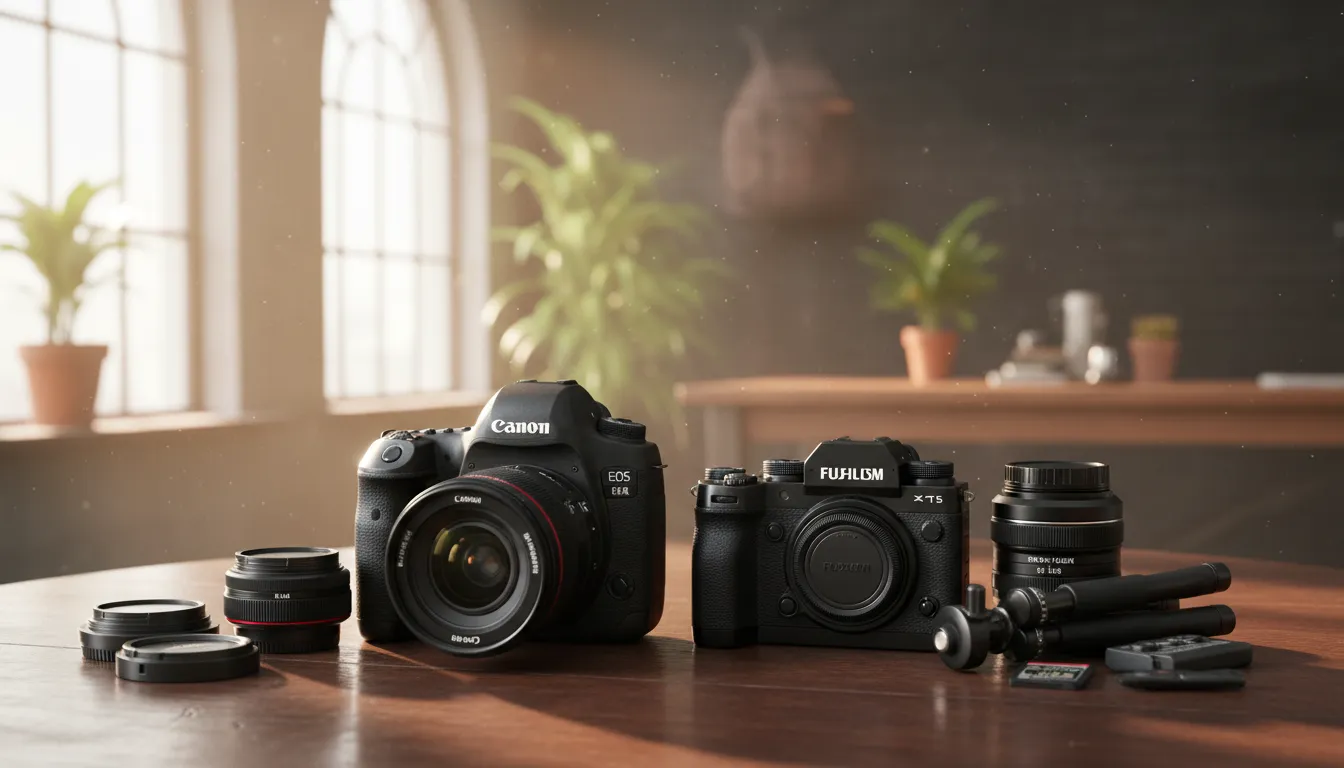
Entry-level DSLR cameras, such as the Canon EOS Rebel, and mirrorless cameras like the Sony Alpha a6400, offer competitive pricing. DSLRs typically start around $500-$700, while mirrorless options begin slightly higher, around $700-$900. However, mirrorless cameras often come with more advanced features.
Mid-Range Camera Value
Mid-range cameras, like the Nikon D5600 DSLR and the Fujifilm X-T100 mirrorless, offer enhanced features and better image quality. DSLRs in this range ($800-$1,200) provide excellent optical viewfinders and robust build quality. Mirrorless cameras ($900-$1,300) offer advanced autofocus and video capabilities.
Professional System Investment
For professionals, the investment in either DSLR or mirrorless systems is substantial. High-end DSLRs like the Canon EOS 5D Mark IV and mirrorless cameras like the Sony Alpha a7R IV offer top-tier image quality and features. The cost for these systems can range from $2,500 to over $4,000, including lenses.
| Camera Type | Entry-Level Price | Mid-Range Price | Professional Price |
|---|---|---|---|
| DSLR | $500-$700 | $800-$1,200 | $2,500-$4,000 |
| Mirrorless | $700-$900 | $900-$1,300 | $2,500-$4,000 |
Understanding the strengths of DSLR and mirrorless cameras in different photography styles can help photographers make informed decisions about their equipment. Both systems have unique advantages that make them more suitable for certain types of photography.
When DSLRs Excel
DSLR cameras have been the preferred choice for many professional photographers due to their reliability and performance in specific genres.
Sports and Wildlife Photography
DSLRs are often favored in sports and wildlife photography due to their fast autofocus and optical viewfinder, which provides a more natural viewing experience and better battery life. For instance, capturing the perfect moment in wildlife photography requires quick reflexes and accurate focusing, both of which DSLRs deliver effectively.
Long Exposure and Astrophotography
For long exposure and astrophotography, DSLRs are also a popular choice because they offer better control over noise and exposure times. Their ability to capture images with minimal noise at high ISOs makes them suitable for capturing the night sky.
When Mirrorless Cameras Shine
Mirrorless cameras, on the other hand, have gained popularity across various photography genres due to their versatility and advanced features.
Street and Travel Photography
Street and travel photography benefit greatly from the compact size and discretion of mirrorless cameras. Photographers can capture candid moments without drawing attention to themselves, and the reduced weight allows for easier travel.
Video Content Creation
Mirrorless cameras are also ideal for video content creation, offering advanced video features such as high frame rates, improved autofocus during video recording, and enhanced color grading capabilities. For those looking to dive deeper into the differences between DSLR and mirrorless cameras, visiting this resource can provide valuable insights.
In conclusion, the choice between DSLR and mirrorless cameras should be guided by the specific requirements of the photographer’s preferred style or genre. By understanding the strengths of each system, photographers can make more informed decisions about their equipment.
Conclusion: Choosing Between DSLR and Mirrorless
When deciding between DSLR and mirrorless cameras, understanding your specific needs is crucial. Both types offer exceptional image quality, but they cater to different preferences and shooting styles.
If portability and advanced video features are your priorities, a mirrorless camera might be the best fit. These cameras are ideal for travel, street photography, and on-the-go shooting, offering cutting-edge autofocus and compact designs.
On the other hand, if you prefer longer battery life, an extensive lens selection, and the traditional optical viewfinder experience, a DSLR could be the way to go. DSLRs are well-suited for studio work, events, and wildlife photography, where their reliability and optical viewfinder clarity shine.
Ultimately, the choice between DSLR vs mirrorless comes down to your personal preferences and photography needs. By considering factors such as size, autofocus performance, and video capabilities, you can make an informed decision that suits your style.
FAQ
What are the main differences between DSLR and mirrorless cameras?
DSLR cameras use a mirror and prism system to view the scene through the lens, while mirrorless cameras use an electronic viewfinder or LCD screen to preview the image. This fundamental difference affects their design, functionality, and performance.### Which type of camera is better for professional photography, DSLR or mirrorless?
Both DSLR and mirrorless cameras can be used for professional photography, depending on the specific needs and preferences of the photographer. DSLRs are known for their optical viewfinder and battery life, while mirrorless cameras offer advanced autofocus and video capabilities.### Are mirrorless cameras more portable than DSLRs?
Generally, mirrorless cameras are more compact and lightweight than DSLRs, making them easier to carry, especially when traveling. However, the size and weight difference can vary depending on the specific camera models and lenses used.### How do DSLR and mirrorless cameras compare in terms of image quality?
Both DSLR and mirrorless cameras can produce high-quality images, with the difference often coming down to the specific camera model, lens quality, and sensor technology. Full-frame sensors, available in both DSLR and mirrorless systems, typically offer superior image quality.### Can I use my existing DSLR lenses on a mirrorless camera?
Many mirrorless cameras can use DSLR lenses with the help of adapters, which can vary in compatibility and functionality. Native mirrorless lenses, however, are designed to take full advantage of the mirrorless system’s capabilities.### What are the advantages of using an electronic viewfinder (EVF) over an optical viewfinder (OVF)?
EVFs provide a WYSIWYG (What You See Is What You Get) preview, allowing for more accurate exposure and color adjustments. They also enable features like focus peaking and histogram overlay, enhancing the shooting experience.### Are DSLRs more durable than mirrorless cameras?
DSLRs have traditionally been built with more robust materials and weather sealing, but modern mirrorless cameras, especially those designed for professionals, have made significant strides in durability and weather resistance.### How do the autofocus systems of DSLR and mirrorless cameras compare?
DSLRs have historically used phase-detection autofocus, which is fast and accurate. Mirrorless cameras, with their on-sensor phase detection, have closed the gap, offering advanced autofocus capabilities, including eye and face detection.### What are the best photography styles for DSLR cameras?
DSLRs are well-suited for sports, wildlife, and long exposure photography, benefiting from their optical viewfinder, fast autofocus, and robust build quality.### What are the best photography styles for mirrorless cameras?
Mirrorless cameras excel in street, travel, and video content creation, thanks to their compact size, advanced autofocus, and video-centric features like 4K resolution and slow-motion recording.