
Introduction to Portrait Photography Techniques
The foundation of great portrait photography lies in understanding the elements that contribute to a compelling image. To capture stunning portraits, one must first grasp the fundamental principles that make a portrait truly great.


22 min read
Capturing stunning portraits requires a combination of technical skills and creative vision. Whether you’re a beginner or an experienced photographer, understanding the fundamentals of portrait photography is essential for taking your skills to the next level.
To get started, it’s essential to familiarize yourself with the basics of portrait photography, including the right equipment and techniques for capturing compelling portraits. By mastering these fundamentals, you’ll be able to create beautiful, professional-looking portraits that showcase your subject’s personality.
Key Takeaways
- Understand the essential equipment needed for portrait photography
- Learn techniques for capturing compelling portraits
- Discover how to work with your subject to bring out their best features
- Master the fundamentals of lighting and composition
- Explore tips for editing and enhancing your portraits
Portrait Photography Basics: Getting Started
The foundation of great portrait photography lies in understanding the elements that contribute to a compelling image. To capture stunning portraits, one must first grasp the fundamental principles that make a portrait truly great.
What Makes a Great Portrait
A great portrait is more than just a photograph of a person; it’s a capture of their essence, personality, and sometimes, their story. For more tips on portrait photography, you can visit Digital Photography School. A great portrait often involves a combination of good lighting, appropriate composition, and a connection between the subject and the photographer.
The Relationship Between Photographer and Subject
The relationship between the photographer and the subject is crucial in capturing a genuine and compelling portrait. Establishing trust and understanding with your subject can lead to more natural and relaxed poses, resulting in a better photograph. This connection can make a significant difference in the quality of the portrait.
Key Elements of Compelling Portraits
Several key elements contribute to making a portrait compelling. These include good lighting, which can enhance the subject’s features; appropriate composition, which frames the subject effectively; and a captured moment, which reveals the subject’s personality or emotion. Understanding and mastering these elements are part of the best portrait techniques.
By focusing on these aspects and practicing the basics of portrait photography, photographers can improve their skills and capture more impactful portraits.
Essential Equipment for Portrait Photography
Understanding the essential equipment for portrait photography is the first step towards capturing breathtaking portraits. With the right gear, you can significantly enhance the quality of your images and make your portrait photography stand out.
Camera Recommendations
Choosing the right camera is fundamental to portrait photography. You need a camera that offers excellent image quality, good low-light performance, and the ability to control depth of field effectively.
Full-Frame vs. Crop Sensor
Full-frame cameras are generally preferred for portrait photography due to their superior image quality and better low-light performance. However, crop sensor cameras can also produce excellent results, especially when paired with the right lenses.
Mirrorless vs. DSLR
Mirrorless cameras are becoming increasingly popular for portrait photography due to their advanced autofocus systems and video capabilities. DSLRs, on the other hand, offer a more traditional shooting experience and are still widely used.
Lens Selection Guide
The right lens can make a significant difference in portrait photography. Prime lenses are often preferred for their sharpness and ability to create a shallow depth of field.
Prime vs. Zoom Lenses
Prime lenses offer superior image quality and are ideal for creating portraits with a beautiful bokeh. Zoom lenses, however, offer versatility and convenience, making them suitable for a variety of shooting situations.
Focal Length Considerations
A focal length between 85mm and 135mm is generally considered ideal for portrait photography as it provides a flattering perspective and helps to avoid distortion.
Budget-Friendly Options
For those on a budget, there are several affordable lens options available that can still deliver high-quality portraits. Look for lenses with a wide aperture to create a pleasing bokeh.
Useful Accessories
Besides the camera and lenses, there are several accessories that can enhance your portrait photography experience. These include reflectors, diffusers, and remote shutter releases.
Reflectors are particularly useful for controlling light and adding depth to your portraits. A simple reflector can help bounce light onto your subject’s face, reducing shadows and enhancing the overall image.
As Ansel Adams once said, “You don’t take a photograph, you make it.” The right equipment and a thoughtful approach can help you create truly stunning portraits.
“The camera is an instrument that teaches people how to see without a camera.” -
Dorothea Lange
Mastering Natural Light for Portraits
Understanding and utilizing natural light effectively is key to capturing stunning portraits. Natural light can add depth, warmth, and character to your photographs, making them more engaging and professional.
Golden Hour Photography
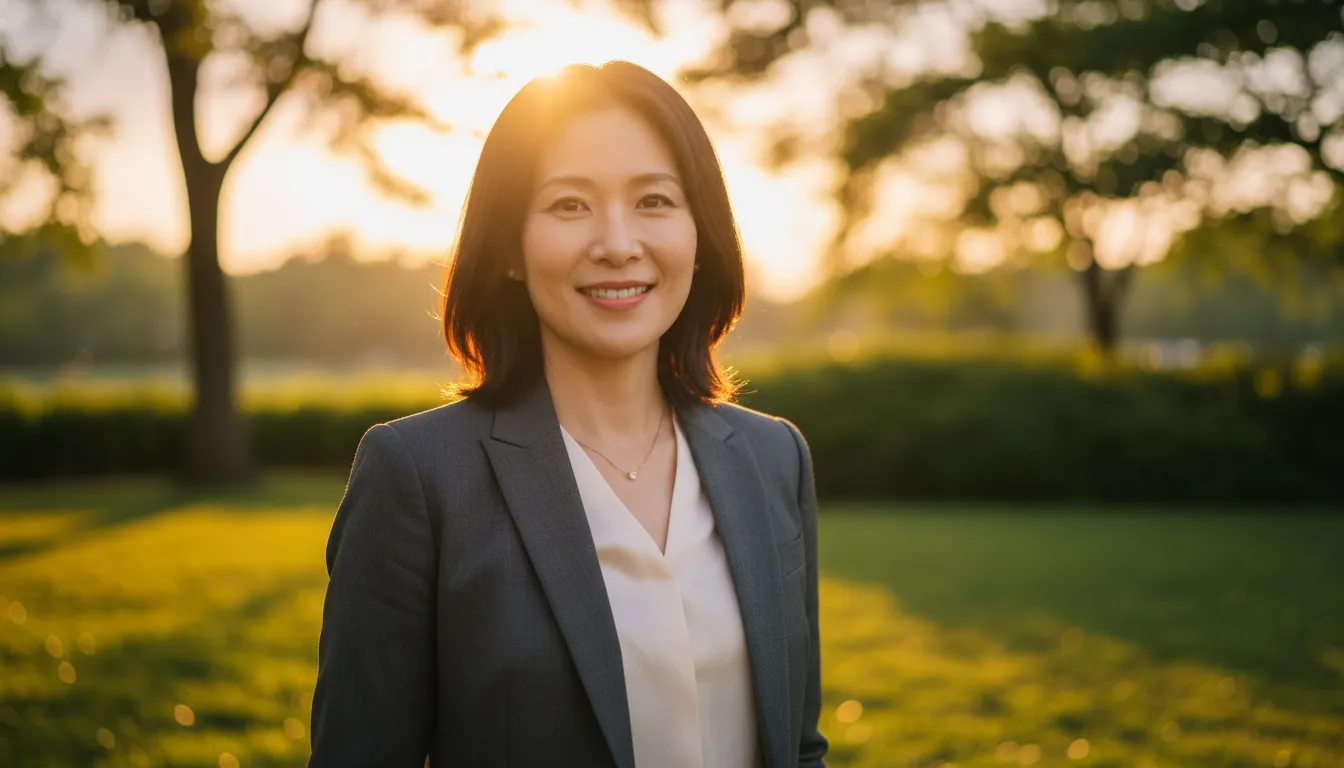
The golden hour, which occurs shortly after sunrise and before sunset, is renowned for its soft, warm light. This period is ideal for capturing portraits with a natural, golden glow. To make the most of the golden hour, position your subject so that the light is at a 45-degree angle to their face, reducing harsh shadows and enhancing the overall warmth of the image.
Working with Shade and Diffused Light
Shade and diffused light offer alternative solutions when direct sunlight is too harsh. Working in the shade or on overcast days can result in soft, even lighting that is flattering for portraits. Look for locations with interesting backgrounds or textures to add depth to your images.
Using Reflectors Effectively
Reflectors are invaluable tools for controlling natural light. They can be used to bounce light onto your subject’s face, reducing shadows and adding catch lights to the eyes. Silver reflectors provide a strong, cool light, while gold reflectors add warmth. White reflectors offer a softer, more subtle effect.
| Lighting Condition | Effect on Portraits | Tips for Use |
|---|---|---|
| Golden Hour | Warm, soft light; natural glow | Position subject at 45-degree angle to light source |
| Shade/Diffused Light | Soft, even lighting; reduces harsh shadows | Look for interesting backgrounds; use on overcast days |
| Reflectors | Adds light to shadows; enhances eye catch lights | Choose reflector color based on desired light effect (silver, gold, white) |
Artificial Lighting Techniques
Artificial lighting offers a world of creative possibilities for portrait photographers. By mastering different lighting setups and modifiers, you can achieve a wide range of effects that enhance your portraits.
One-Light Portrait Setups
Starting with a single light source is a great way to begin experimenting with artificial lighting. A one-light setup can create a beautiful, dramatic effect. For instance, positioning the light at a 45-degree angle to your subject can help define their features. As photography experts suggest, understanding the basics of lighting is key to taking your portraits to the next level.
Using a single light, you can create a variety of looks by adjusting its position relative to your subject. This simplicity makes it easier to understand the fundamentals of lighting.
Multi-Light Configurations
Once you’re comfortable with a single light, you can experiment with multi-light configurations. This involves using a combination of lights to achieve a more complex lighting effect. For example, using a key light, fill light, and backlight can add depth and dimension to your portraits.
Multi-light setups allow for greater control over the lighting ratio, enabling you to create a more nuanced and interesting portrait.
Understanding Light Modifiers
Light modifiers are essential tools in portrait photography, as they allow you to control the quality and direction of light. Softboxes and umbrellas are commonly used to soften the light, while grids and snoots help to direct it more precisely.
Softboxes and Umbrellas
Softboxes produce a soft, even light that wraps around the subject, reducing harsh shadows. Umbrellas, on the other hand, provide a broader light source that can be used to create a more subtle, flattering effect.
Grids and Snoots
Grids and snoots are used to control light spill and create more defined shadows. They are particularly useful for highlighting specific features or creating dramatic effects in your portraits.
As Joe McNally once said, “The best camera is the one you have with you, and the best light is the one you can control.” Mastering artificial lighting techniques is a powerful way to enhance your portrait photography skills and capture truly compelling images.
Camera Settings for Portrait Photography
Effective portrait photography begins with knowing how to adjust your camera settings appropriately. To capture high-quality portraits, understanding the interplay between aperture, shutter speed, and ISO is crucial.
Aperture and Depth of Field
Aperture is one of the most critical camera settings for portrait photography, as it controls the depth of field. A lower f-stop value (e.g., f/2.8) results in a shallow depth of field, blurring the background and emphasizing the subject. For more context on best practices, visit Digital Photography School.
Shutter Speed Considerations
Shutter speed is another vital setting that can make or break your portrait. Faster shutter speeds are ideal for capturing sharp images, especially when working with moving subjects or in bright lighting conditions. Conversely, slower shutter speeds can create artistic effects, such as motion blur.
ISO and Noise Management
ISO settings determine your camera’s sensitivity to light. Lower ISO values (e.g., ISO 100) are best for bright conditions, while higher ISO values (e.g., ISO 6400) are more suitable for low-light environments. However, high ISO settings can introduce noise into your images, so it’s essential to manage this setting carefully.
| Camera Setting | Ideal Value for Portraits | Effect on Image |
|---|---|---|
| Aperture | f/2.8 - f/4 | Shallow depth of field, blurred background |
| Shutter Speed | 1/125s - 1/250s | Freezes motion, sharp image |
| ISO | 100 - 400 | Minimal noise, optimal quality |
The Art of Posing Subjects
Mastering the art of posing is crucial for capturing stunning portraits that reveal the subject’s personality. Posing can make or break the quality of a portrait, as it directly influences the subject’s appearance and the overall mood of the image.
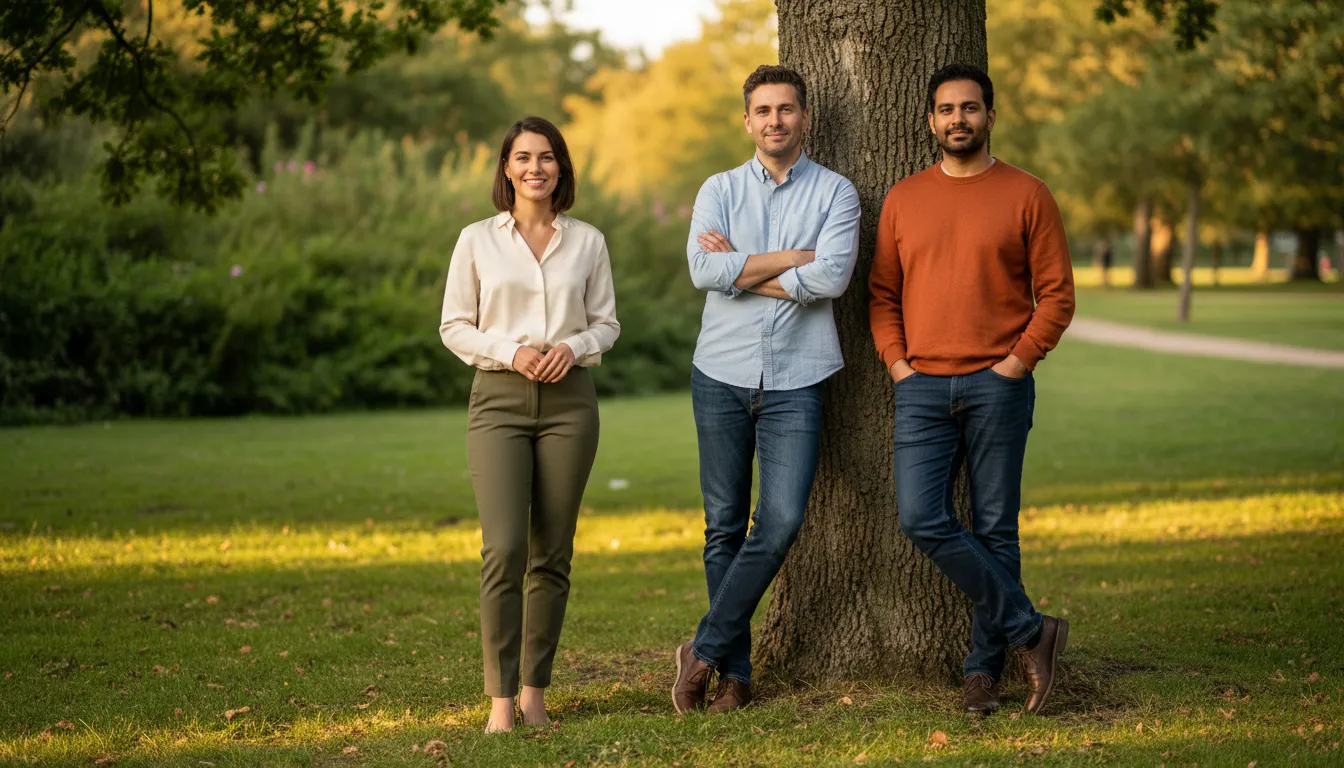 Effective posing requires a good understanding of the subject’s body language and how to guide them into natural, flattering positions. For instance, posing guidelines for women often focus on creating elegant, relaxed poses that accentuate their features.
Posing Guidelines for Women
When posing women, it’s essential to create a relaxed atmosphere. Start by having them stand or sit in a comfortable position, then subtly adjust their posture. For example, a slight turn of the shoulders or a gentle tilt of the head can make a significant difference.
“The way you pose your subject can significantly impact the overall feel and success of your portrait.” - Annie Leibovitz
Posing Guidelines for Men
Posing men involves creating a strong, confident appearance. Encourage them to stand tall with their shoulders back and weight shifted onto one leg. Avoid stiff, unnatural poses by having them relax their arms and hands.
| Posing Tip | Men | Women |
|---|---|---|
| Shoulder Position | Back and relaxed | Slightly turned |
| Weight Distribution | On one leg | Evenly distributed or slightly on one leg |
Posing groups can be challenging, but starting with a simple arrangement can help. Have the group stand or sit in a way that creates a natural flow. Experiment with different configurations until you find one that works.
By following these guidelines and practicing different posing techniques, you can significantly improve your portrait photography skills, capturing more engaging and memorable images.
Composition Techniques for Impactful Portraits
Effective composition is the backbone of impactful portrait photography, elevating the subject and the story being told. By applying certain techniques, photographers can create visually appealing and engaging portraits that capture the viewer’s attention.
Rule of Thirds and Portrait Framing
The rule of thirds is a fundamental composition technique that involves dividing the image into thirds both horizontally and vertically, placing important elements along these lines. In portrait photography, this can mean positioning the subject’s eyes or shoulders along these grid lines to create a more balanced and engaging composition.
Creative Cropping and Angles
Creative cropping and unusual angles can add drama and interest to portraits. Experimenting with different cropping techniques can help emphasize the subject’s features or convey a particular mood. Shooting from above or below eye level can also introduce a new dynamic to the portrait, making it more captivating.
Using Negative Space Effectively
Negative space refers to the areas around and between subjects in a photograph. Using negative space effectively can create a sense of simplicity and minimalism, drawing the viewer’s focus directly to the subject. It can also convey a sense of isolation or contemplation, adding depth to the portrait.
| Composition Technique | Description | Effect |
|---|---|---|
| Rule of Thirds | Dividing the image into thirds and placing elements along these lines | Creates balance and engagement |
| Creative Cropping | Experimenting with different cropping to emphasize features or mood | Adds drama and interest |
| Negative Space | Using empty space around the subject to simplify the composition | Draws focus to the subject, conveys simplicity or isolation |
The essence of a compelling portrait lies in its ability to capture the subject’s genuine expression, a feat that demands both technical proficiency and a deep understanding of human interaction. Capturing authentic expressions is crucial in portrait photography as it conveys emotion and tells a story.
Communication Techniques with Subjects
Effective communication is the foundation of capturing authentic expressions. Photographers should engage their subjects in conversation to make them feel comfortable and relaxed. This can involve discussing topics of interest or sharing light-hearted anecdotes to ease any tension. By building a rapport, photographers can encourage their subjects to reveal their natural selves.
- Maintain eye contact to establish trust.
- Use positive body language to create a welcoming atmosphere.
- Engage in conversation to distract and relax the subject.
Timing and Anticipation
Timing is everything when it comes to capturing the perfect expression. Photographers need to anticipate moments of genuine emotion, such as a smile or a look of contemplation. This requires patience and a keen observational eye. By anticipating and being ready to capture these moments, photographers can create portraits that are not only visually appealing but also emotionally resonant.
“The right moment can make all the difference between a good portrait and a great one.”
To achieve this, photographers should remain alert and prepared to snap the photo at a moment’s notice. Understanding the subject’s personality and mood can also help in anticipating the right moment.
Location Scouting for Portrait Sessions
Scouting the perfect location is a crucial step in capturing stunning portraits. The environment can significantly impact the overall mood and aesthetic of your photos. Whether you’re shooting indoors or outdoors, the right location can enhance your subject and add depth to your images.
Indoor vs. Outdoor Considerations
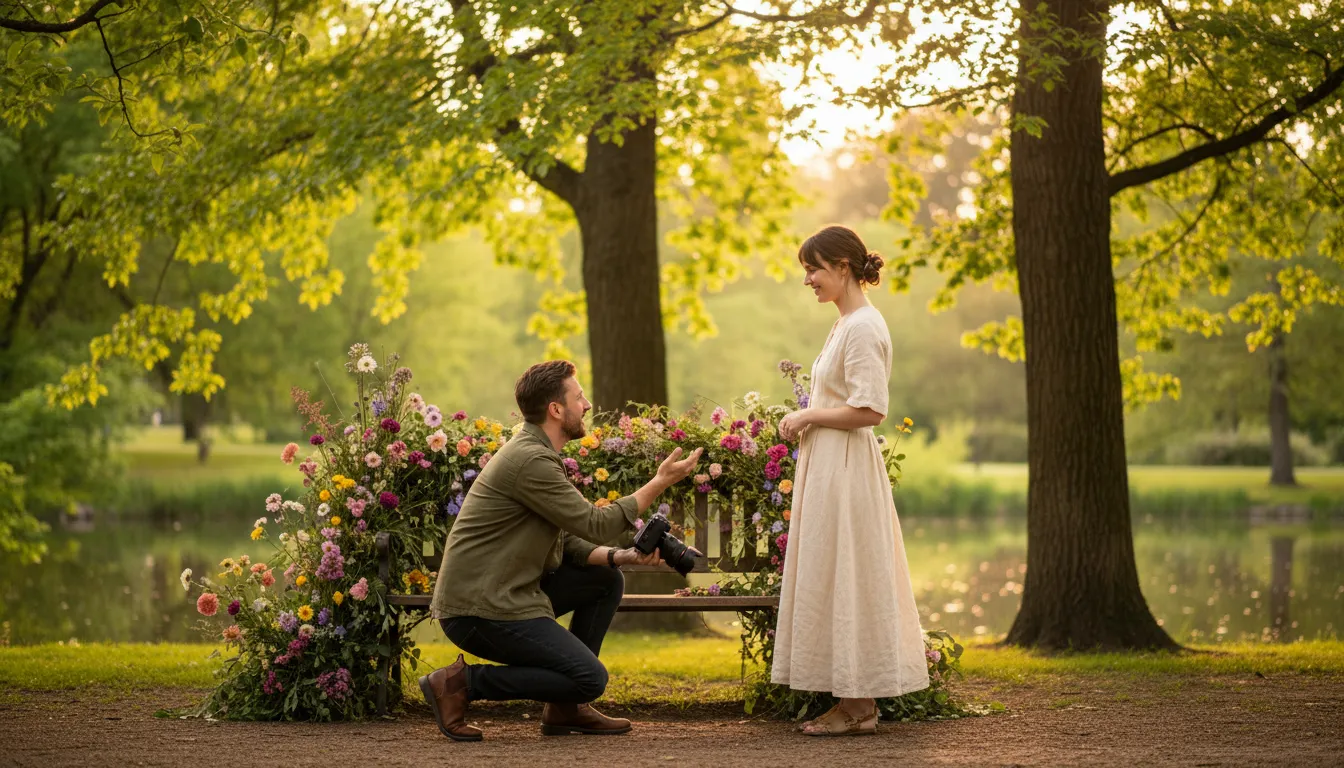
When deciding between indoor and outdoor locations, consider the lighting conditions and the atmosphere you want to create. Indoor locations offer more control over lighting, but may lack the natural ambiance of outdoor settings. Outdoor locations, on the other hand, provide a natural and dynamic environment, but lighting can be more challenging to control. For tips on scouting locations, you can visit Digital Photography School for more insights.
Finding Complementary Backgrounds
A complementary background can make your subject stand out. Look for backgrounds that are simple, yet interesting. Avoid cluttered or distracting environments that might take attention away from your subject. Consider the colors and textures of the background and how they will interact with your subject’s clothing and features. For example, a bright background might not be suitable for a subject wearing bright colors, as it could result in an unflattering contrast.
By carefully selecting your location and considering the background, you can significantly improve the quality of your portraits and make your subjects look their best.
Different Portrait Photography Styles
Portrait photography encompasses a wide range of styles, each with its unique characteristics and techniques. This diversity allows photographers to experiment and find the style that best suits their artistic vision and the personality of their subjects.
Environmental Portraits
Environmental portraits capture individuals in their natural surroundings, providing context to their story. This style is particularly effective for showcasing a person’s profession or hobby. For instance, photographing a chef in their kitchen or a musician on stage.
- Captures the subject in their natural environment
- Provides context to the subject’s story or profession
- Can be highly narrative and engaging
Studio Portraits
Studio portraits are taken in a controlled environment, allowing for precise lighting and backdrop selection. This style is ideal for highlighting the subject’s features and expression. Studio portraits are often used for formal or professional photography.
- Offers control over lighting and background
- Ideal for formal or professional photography
- Allows for creative experimentation with lighting setups
Candid and Lifestyle Portraits
Candid and lifestyle portraits focus on capturing natural, unposed moments. These styles are great for revealing the subject’s personality and can result in very authentic and engaging photographs.
“The best portraits are those that capture the essence of the person, not just their likeness.”
Fine Art Portraiture
Fine art portraiture is a style that emphasizes creativity and artistic expression. It often involves using the subject as a medium to convey a particular mood or concept, resulting in highly personalized and unique portraits.
Post-Processing Portraits
Enhancing portraits through post-processing techniques is an art that requires both technical skills and creative vision. Post-processing can significantly enhance the quality and emotional impact of your portraits, making them more engaging for viewers.
Basic Retouching Workflow
A basic retouching workflow is essential for creating polished portraits. It involves a series of steps that help in removing blemishes, smoothing out skin tones, and enhancing facial features.
Skin Retouching Techniques
Skin retouching involves removing imperfections such as acne, scars, and wrinkles. It’s about striking a balance between removing flaws and maintaining the natural texture of the skin.
Enhancing Eyes and Features
Enhancing the eyes and other facial features can make a significant difference in a portrait. This includes brightening the eyes, defining eyebrows, and subtly enhancing the lips.
Color Grading for Portraits
Color grading is a powerful tool in portrait photography that can dramatically change the mood and aesthetic of an image. It involves adjusting the colors and tones to create a specific look or atmosphere.
By applying these post-processing techniques, photographers can significantly enhance their portraits, making them more captivating and emotionally resonant.
Common Portrait Photography Mistakes to Avoid
Portrait photography, while rewarding, is fraught with pitfalls that can turn a potentially great shot into a disappointing one. Whether you’re a seasoned photographer or just starting out, understanding these common mistakes is key to improving your craft.
Technical Errors
Technical errors can significantly impact the quality of your portraits. Being aware of these potential pitfalls can help you take better photos.
Focus and Sharpness Issues
One of the most critical aspects of portrait photography is ensuring your subject is in sharp focus. Using the right autofocus mode and keeping your subject’s eyes sharp are crucial. A simple mistake like focusing on the wrong part of the face can ruin an otherwise great shot.
Lighting Mistakes
Lighting can make or break a portrait. Understanding how to use natural light or setting up a portrait lighting guide can dramatically improve your photos. Avoid harsh midday sun and instead opt for the soft, golden light of early morning or late afternoon.
Composition Errors
Composition plays a vital role in creating engaging portraits. Avoid centering your subject in every shot; instead, experiment with the rule of thirds to add depth and interest. Also, be mindful of the background to avoid distractions.
Interpersonal Missteps
While technical skills are crucial, so too is the ability to connect with your subject. Building rapport can help your subjects feel more comfortable, leading to more natural and relaxed expressions. Directing your subjects gently and providing positive feedback can make a significant difference in the outcome of your portraits.
By being aware of these common mistakes and taking steps to avoid them, you can significantly improve your portrait photography skills. Remember, practice is key, and every shoot is an opportunity to learn and refine your technique, helping you to master how to take portraits that are truly compelling.
Advanced Portrait Photography Techniques
To elevate your portrait photography, it’s essential to explore advanced techniques that can transform your images. By mastering these techniques, you can significantly enhance the quality and impact of your portraits.
Creative Lighting Approaches
Creative lighting is a crucial aspect of portrait photography, allowing photographers to add depth, emotion, and complexity to their images. Experimenting with different lighting setups can dramatically change the mood and appearance of a portrait.
Dramatic Low-Key Lighting
Dramatic low-key lighting involves using a single light source or a combination of lights to create deep shadows and highlights. This technique is ideal for creating moody, atmospheric portraits that draw the viewer’s attention.
High-Key Lighting Effects
High-key lighting, on the other hand, uses bright, even lighting to minimize shadows and create a clean, minimalist look. This technique is often used in commercial and fashion photography to produce bright, airy images.
Color Gels and Creative Effects
Color gels can be used to add a creative twist to your lighting. By placing gels over your light sources, you can introduce vibrant colors into your portraits, creating unique and captivating effects.
| Lighting Technique | Description | Best Use |
|---|---|---|
| Dramatic Low-Key | Deep shadows and highlights | Moody, atmospheric portraits |
| High-Key | Bright, even lighting | Commercial, fashion photography |
| Color Gels | Vibrant color effects | Creative, experimental portraits |
Experimental compositions involve pushing the boundaries of traditional portrait photography. This can include unusual angles, creative framing, and innovative use of negative space.
By experimenting with composition, photographers can create unique and captivating portraits that stand out from the crowd.
Conclusion
Understanding the fundamentals of portrait photography is crucial for capturing stunning images. By mastering the basics, including camera settings, you can take your portrait photography to the next level. A key aspect of this is learning how to take portraits that are both natural and captivating.
A well-lit portrait can make all the difference. A good portrait lighting guide can help you understand how to work with different light sources, from natural light to artificial lighting setups. Experimenting with various lighting techniques will allow you to add depth and character to your portraits.
As you continue to practice and explore your creativity in portrait photography, remember that the key to improvement lies in experimentation and patience. By applying the techniques and principles outlined in this guide, you’ll be well on your way to capturing portraits that are not only visually appealing but also tell a story.
FAQ
What are the basics of portrait photography?
The basics of portrait photography include understanding your camera settings, working with your subject, and using lighting to create a flattering image. This involves mastering aperture, shutter speed, and ISO, as well as posing and directing your subject.### How do I take a great portrait?
To take a great portrait, focus on capturing the subject’s personality and expression. Pay attention to lighting, composition, and posing. Use a suitable camera setting, such as a wide aperture, to create a shallow depth of field and separate the subject from the background.### What is the best lighting for portrait photography?
The best lighting for portrait photography depends on the desired effect. Natural light, such as during the golden hour, can create a soft and warm image. Artificial light, like studio strobes or continuous lights, can be used to create a variety of effects, from subtle to dramatic.### How do I pose my subject for a portrait?
Posing your subject involves directing them to achieve a natural and relaxed position. Consider the subject’s body language, facial expression, and the overall composition of the image. Provide guidance on how to sit, stand, or pose to create a flattering portrait.### What are some common portrait photography mistakes to avoid?
Common mistakes to avoid in portrait photography include technical errors like incorrect camera settings, poor lighting, and composition errors. Interpersonal missteps, such as not communicating effectively with your subject, can also impact the quality of the portrait.### How can I improve my portrait photography skills?
To improve your portrait photography skills, practice regularly, and experiment with different techniques, such as lighting setups and posing styles. Study the work of other photographers, and consider taking workshops or online courses to learn new skills.### What is the role of post-processing in portrait photography?
Post-processing plays a crucial role in portrait photography, allowing you to enhance the image, correct errors, and achieve a specific look or style. Basic retouching, color grading, and other editing techniques can be used to refine the portrait and create a polished final image.### How do I choose the right equipment for portrait photography?
Choosing the right equipment for portrait photography involves considering your camera, lenses, and lighting. A full-frame camera or a high-quality crop sensor camera is recommended, along with a suitable lens, such as a prime or zoom lens, and a lighting kit or natural light.