
The Definitive Guide to Abstract Photography
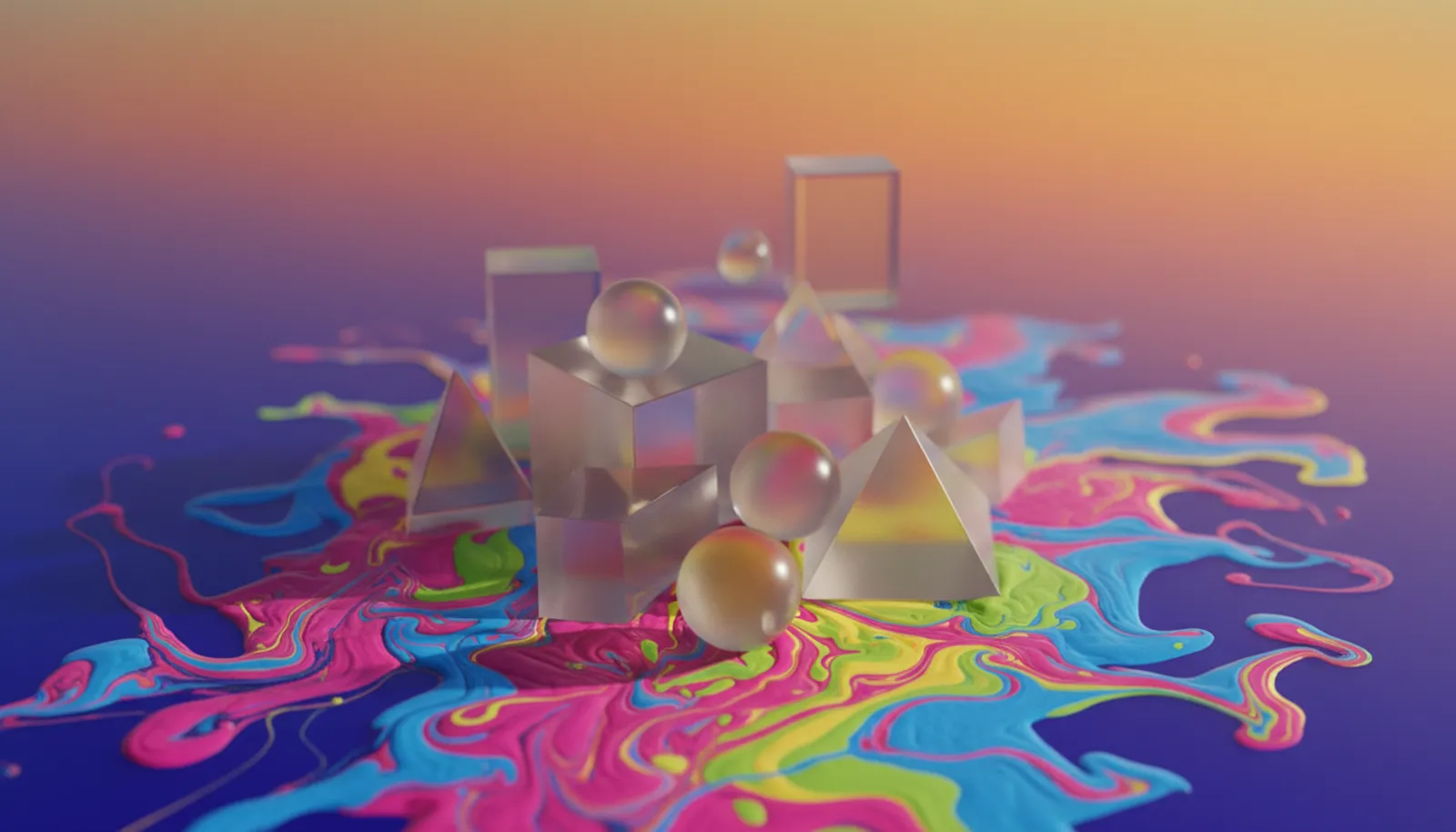
Abstract photography is an innovative approach to capturing images that emphasize mood and emotion over realistic representation. It is a form of artistic expression that encourages experimentation and creativity, pushing the boundaries of traditional photography.

22 min read
Abstract photography is an art form that challenges the conventional representation of reality. It’s about capturing images that don’t have an immediate association with the object world, created through photographic equipment, processes, or materials. By understanding abstract art, photographers can unlock new creative possibilities.
To master abstract photography techniques, one must experiment with various methods such as capturing motion with slow shutter speeds, shooting through glass, or using macro photography. For more insights and techniques, you can explore resources like this practical guide.
Key Takeaways
- Understand the core principles of abstract art.
- Experiment with different abstract photography techniques.
- Learn to capture unique, one-of-a-kind images.
- Explore various subjects for abstract photography, including nature and portraits.
- Utilize post-processing options for enhanced abstract effects.
What is Abstract Photography?
Abstract photography is an innovative approach to capturing images that emphasize mood and emotion over realistic representation. It is a form of artistic expression that encourages experimentation and creativity, pushing the boundaries of traditional photography.
Defining the Abstract in Visual Arts
The abstract in visual arts refers to the use of non-representational forms and colors to convey emotion and ideas. In abstract photography, this translates to capturing images that don’t necessarily depict recognizable subjects but instead focus on textures, patterns, and other visual elements. Understanding abstract art is key to appreciating the nuances of abstract photography.
How Abstract Photography Differs from Other Genres
Abstract photography differs significantly from other genres like landscape or portrait photography, primarily in its focus on form and emotion rather than representation. Techniques such as intentional camera movement, multiple exposures, and macro photography are often employed to create abstract images. By mastering abstract photography techniques, photographers can produce unique and captivating images.
| Technique | Description | Effect |
|---|---|---|
| Intentional Camera Movement | Moving the camera during exposure | Creates blurred, abstract patterns |
| Multiple Exposure | Layering multiple images | Produces complex, layered compositions |
| Macro Photography | Extreme close-up photography | Reveals detailed textures and patterns |
The history of abstract photography is marked by pioneers who pushed the boundaries of visual art. Abstract photography has evolved significantly, influenced by various artistic movements and technological advancements.
Early Pioneers and Their Contributions
Early pioneers such as Alfred Stieglitz and Edward Steichen played crucial roles in shaping abstract photography. They experimented with techniques like multiple exposures and intentional camera movements, laying the groundwork for future generations. Some key contributions include:
- Experimentation with photographic techniques to create abstract effects
- Influence from other art movements like Cubism and Surrealism
- Promotion of abstract photography through exhibitions and publications
Modern Movements in Abstract Photography
Today, abstract photography continues to evolve with the advent of digital technology. Modern photographers use a range of techniques, including digital manipulation and experimental printing methods, to create innovative images. Some notable trends include:
- The use of drones and aerial photography to capture abstract landscapes
- Experimentation with macro photography to reveal intricate details
- Incorporation of abstract photography into mixed media art
By understanding the history and evolution of abstract photography, photographers can appreciate the art form’s depth and continue to push its boundaries.
Core Principles of Abstract Photography
Understanding the core principles of abstract photography can elevate your photographs from mere captures to artistic expressions. Abstract photography is not just about pointing a camera and clicking; it’s about creating an image that evokes emotion, sparks imagination, and invites interpretation.
Form Over Function
In abstract photography, form often takes precedence over function. This means that the visual elements of the photograph, such as shape, color, and texture, become more important than the subject’s literal identity. For instance, a close-up of a flower’s petals can become an abstract exploration of patterns and colors, rather than a straightforward floral portrait.
Emotion and Expression
Abstract photography is a powerful medium for emotional expression. By capturing abstract representations of the world, photographers can convey feelings and moods that might be difficult to express through traditional representational photography. For example, a blurred, dynamic image of a cityscape can evoke a sense of energy and movement.
The Role of Interpretation
One of the defining characteristics of abstract photography is its openness to interpretation. Viewers are encouraged to bring their own experiences and perceptions to the image, making the interaction between the photograph and the viewer highly personal and subjective. As noted by digital photography experts, exploring abstract photography techniques can significantly enhance one’s creative vision.
Abstract Photography Techniques
Abstract photography is all about experimenting with different techniques to achieve captivating results. By mastering various abstract photography techniques, you can significantly enhance your creative vision and produce unique images.
Intentional Camera Movement (ICM)
Intentional Camera Movement involves moving the camera while taking a photo to create a sense of blur and dynamism. This technique can add an abstract quality to your images.
Panning Techniques
Panning techniques involve moving the camera horizontally to follow a subject, creating a blurred background and a sharp subject. This can be used to create abstract effects by emphasizing motion.
Rotation and Zoom Bursts
Rotation and zoom bursts involve rotating or zooming the lens during exposure, creating a burst of colors and abstract patterns.
Multiple Exposure and Layering
Multiple exposure and layering involve combining multiple images into one, either in-camera or during post-processing. This technique allows for the creation of complex, abstract compositions. For more on the basics of abstract photography, visit Digital Photography School.
Macro Abstraction
Macro abstraction involves capturing extreme close-ups of subjects to reveal abstract patterns and textures. This technique can turn ordinary objects into extraordinary abstract art.
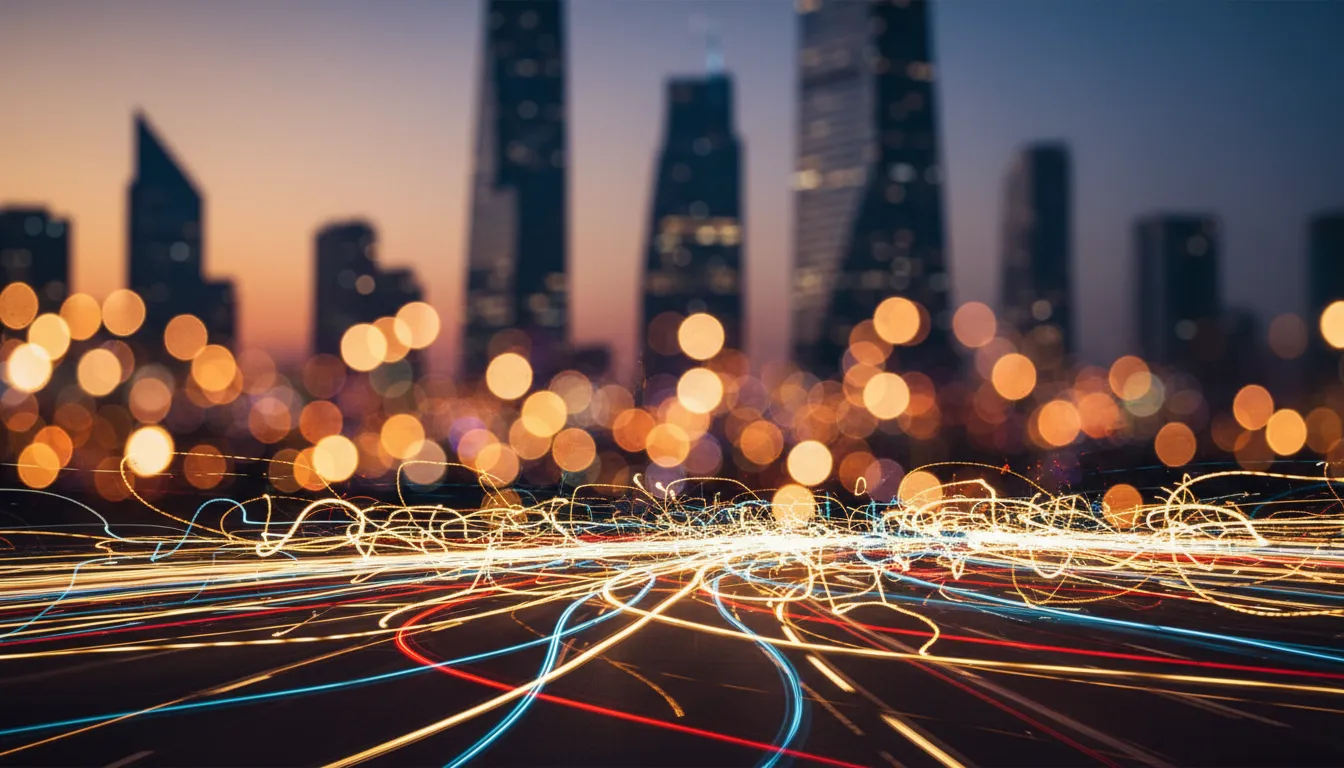 By experimenting with these abstract photography techniques, you can expand your creative possibilities and produce stunning abstract images.
Mastering Light in Abstract Photography
In the realm of abstract photography, light is not just a source of illumination but a creative tool that can transform the ordinary into the extraordinary. Mastering light is crucial for abstract photographers, as it allows them to convey emotions and ideas through their work.
Working with Natural Light
Natural light offers a dynamic range of possibilities for abstract photography. The soft, warm light of dawn and dusk can create subtle, nuanced images, while the harsh midday sun can produce high-contrast, abstract forms. Photographers can experiment with the direction and quality of natural light to achieve a variety of effects.
Artificial Lighting Techniques
Artificial lighting provides abstract photographers with the flexibility to control and manipulate light in a studio or on-location setting. Techniques such as backlighting, sidelighting, and diffused lighting can be used to create complex, abstract compositions. Experimenting with different light sources, such as LED lights or strobes, can also yield unique results.
| Lighting Technique | Effect | Application |
|---|---|---|
| Backlighting | Creates depth and highlights textures | Useful for emphasizing abstract patterns |
| Sidelighting | Enhances contours and creates dramatic shadows | Ideal for accentuating abstract forms |
| Diffused Lighting | Softens light, reducing harsh shadows | Effective for creating subtle, nuanced abstract images |
Light painting involves moving a light source during a long exposure to create abstract, glowing patterns. This technique allows photographers to directly manipulate the light recorded by the camera, producing unique, ethereal images. By experimenting with different light sources and movements, photographers can achieve a wide range of abstract effects.
Color Theory for Abstract Photographers
Understanding color theory is crucial for abstract photographers to convey emotions and create visually appealing images. Color theory is a set of principles used to create harmonious color combinations and to understand the way colors interact with each other.
Colors can evoke different emotions and moods, and understanding this psychology is key to creating impactful abstract photographs. For instance, warm colors like red and orange can stimulate feelings of energy and warmth, while cool colors like blue and green can evoke calmness and serenity.
The Psychology of Color
The psychology of color is a complex field that studies how different hues affect human emotions and behavior. In abstract photography, understanding the emotional impact of colors can help photographers make informed decisions about their color palette.
- Red: Energy, passion, and love
- Blue: Calmness, trust, and serenity
- Green: Nature, harmony, and balance
Creating Harmony and Contrast
Harmony and contrast are two fundamental principles in color theory that can be used to create visually appealing abstract photographs. Harmony refers to the way colors work together, while contrast refers to the way colors stand out from each other.
By applying these principles, abstract photographers can create images that are both aesthetically pleasing and emotionally engaging. For example, using analogous colors (colors next to each other on the color wheel) can create a harmonious palette, while using complementary colors (colors opposite each other on the color wheel) can create high contrast.
Monochromatic Abstract Photography
Monochromatic abstract photography involves using different shades of a single color to create a cohesive and powerful image. This technique can be particularly effective in emphasizing texture, form, and emotion in abstract photographs.
By mastering color theory, abstract photographers can enhance their creative expression and produce images that resonate with viewers on a deeper level. Whether through harmony, contrast, or monochromatic tones, color theory offers a wealth of creative abstract ideas for photographers to explore.
Composition Strategies for Abstract Images
The art of abstract photography lies in its ability to break free from conventional composition techniques. By doing so, photographers can create unique, captivating images that draw viewers in. Abstract photography techniques allow for a wide range of creative expression, making each photograph a personal interpretation of the world.
Breaking Traditional Rules
One of the key aspects of abstract photography is the willingness to experiment and break traditional composition rules. This can involve using unconventional framing, playing with symmetry, or capturing abstract details that are often overlooked. By doing so, photographers can create visually striking images that challenge the viewer’s expectations.
Negative Space and Minimalism
Negative space and minimalism are powerful tools in abstract photography. By simplifying the composition and focusing on a single element, photographers can create a sense of calm and clarity. This approach can also emphasize the textures, patterns, and shapes within the image, making it more engaging.
Patterns, Textures, and Repetition
Patterns, textures, and repetition are fundamental elements of abstract photography. They can add depth, interest, and emotion to an image. Photographers can capture these elements in a variety of subjects, from natural landscapes to urban environments, and use them to create compelling abstract compositions. As Ernst Haas once said, “The best thing about photography is that it’s a one-way ticket to see the world in a different way.” By focusing on these elements, photographers can see the world from a fresh perspective and create best abstract photography work.
Equipment for Abstract Photography
Abstract photography requires a thoughtful selection of equipment to achieve the desired creative effects. The right gear can enhance your ability to capture unique and captivating images.
Camera Bodies and Lenses
The foundation of any photography equipment is the camera body and lenses. For abstract photography, you can use either a DSLR or a mirrorless camera, as both offer the necessary flexibility and image quality.
Best Lenses for Abstract Work
When it comes to lenses, macro and prime lenses are particularly useful for abstract photography. They allow for close-up shots and can create a shallow depth of field, isolating the subject and emphasizing textures or patterns.
Camera Settings for Abstract Photography
Camera settings such as aperture, shutter speed, and ISO can significantly impact your abstract photographs. Experimenting with different settings can help achieve the desired abstract effect.
Filters and Accessories
Filters and accessories can further enhance your abstract photography. Polarizing filters can reduce glare and enhance colors, while neutral density filters allow for longer exposures.
| Accessory | Purpose | Effect |
|---|---|---|
| Polarizing Filter | Reduces glare, enhances colors | More vivid, saturated colors |
| Neutral Density Filter | Allows for longer exposures | Creates motion blur, abstracts details |
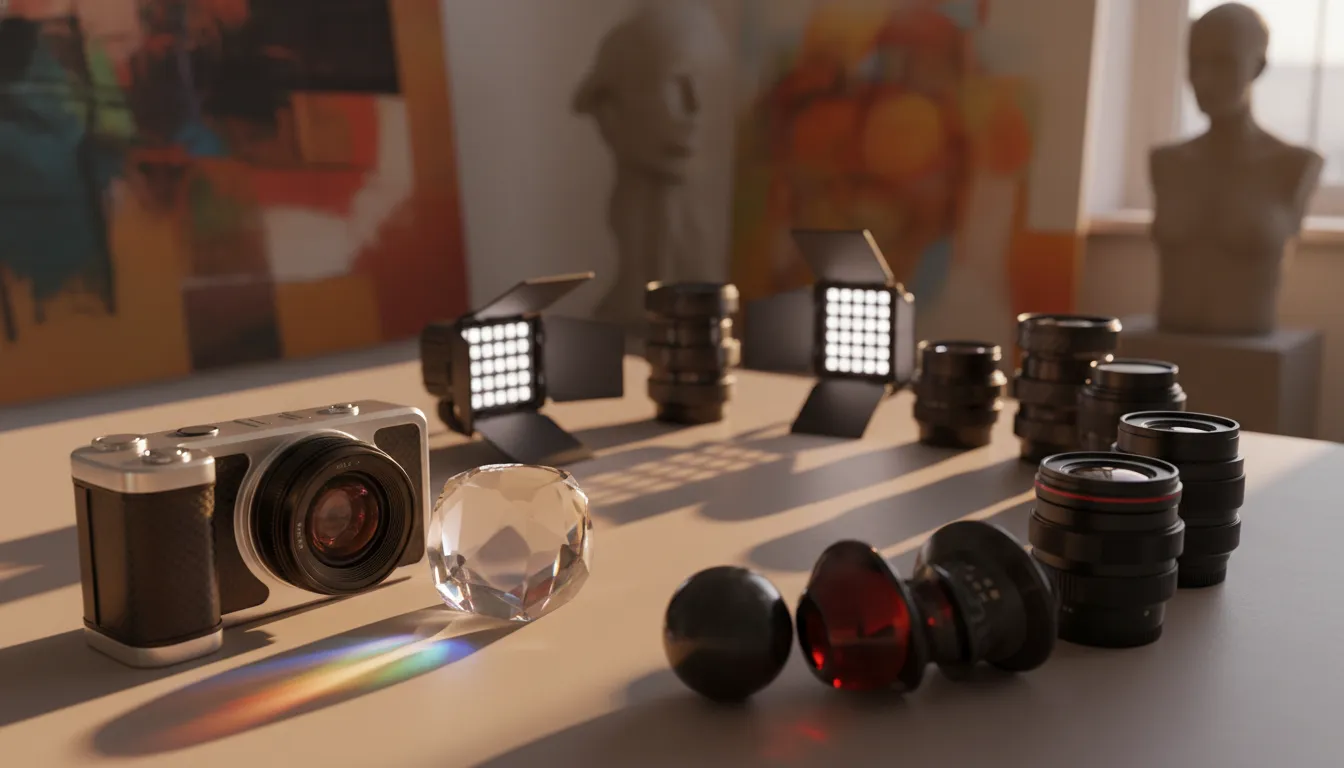
Abstract photography often involves experimentation. Using unconventional tools and props can lead to unique and interesting effects. For example, photographing through glass or using reflective surfaces can create intriguing abstract compositions.
Post-Processing for Abstract Photography
The art of abstract photography doesn’t end with capturing the image; post-processing plays a vital role in enhancing the final result. By leveraging the right software and techniques, photographers can transform their captures into stunning abstract art.
Essential Software and Tools
For most abstract photographers, Adobe Photoshop and Lightroom are the go-to tools for post-processing. These programs offer a wide range of functionalities, from basic adjustments like exposure and contrast to more advanced techniques such as layer blending and masking.
Creative Editing Techniques
Creative editing is where abstract photography can truly shine. Techniques such as adjusting colors, manipulating textures, and experimenting with different layering methods can result in unique and captivating images.
Blending Modes and Layers
Using blending modes and layers effectively can add depth and complexity to your abstract photographs. For instance, overlaying a texture on a layer with a soft light blending mode can add an interesting dimension to your image.
Color Manipulation
Color manipulation is another powerful tool in post-processing. Adjusting hues, saturation, and luminance can dramatically change the mood and impact of your abstract image. For example, desaturating a specific color can draw attention to other elements in the image.
Maintaining Artistic Integrity
While post-processing offers a lot of creative possibilities, it’s essential to maintain the artistic integrity of your original capture. Over-manipulation can sometimes result in an image that looks unnatural or overly processed. The key is to enhance the image while staying true to your original vision.
| Technique | Description | Effect |
|---|---|---|
| Layer Blending | Combining layers with different blending modes | Adds depth and complexity |
| Color Grading | Adjusting colors to achieve a specific mood | Changes the emotional impact |
| Texture Overlay | Adding textures to layers | Enhances visual interest |
Finding Subjects for Abstract Photography
To capture compelling abstract images, one must learn to see beyond the obvious. Abstract photography is not just about the subject itself, but how you interpret and present it.
Everyday objects can become fascinating subjects for abstract photography. By focusing on textures, patterns, and forms, you can transform mundane items into creative abstract ideas. For instance, the intricate details on a leaf, the rust on an old gate, or the reflections on a wet surface can all become captivating abstract images.
Nature and Landscapes
Nature provides an abundance of subjects for abstract photography. Landscapes, in particular, offer a wealth of opportunities to capture abstract images through patterns in sand, rock formations, or cloud shapes. The key is to look beyond the obvious and find unique perspectives that reveal the abstract beauty within the natural world.
Architecture and Urban Environments
Urban environments are rich with abstract photography subjects, from the geometric patterns of buildings to the abstract reflections in glass and steel. Architectural details, such as intricate designs, staircases, or patterns created by light and shadow, can also be used to create compelling abstract images.
Everyday Objects as Abstract Art
Using everyday objects as subjects for abstract art involves seeing the potential in the mundane.
- Look for interesting textures
- Play with lighting to create dramatic effects
- Experiment with angles and compositions
to turn ordinary objects into extraordinary abstract photographs.
By applying various abstract photography techniques and exploring different subjects, you can continually refresh your perspective and expand your creative possibilities.
Creative Abstract Photography Ideas
Abstract photography offers a world of creative possibilities, from capturing reflections to experimenting with light. By embracing creative abstract ideas, photographers can produce images that are not only visually striking but also emotionally resonant.
Water and Reflection Projects
Water and reflection projects offer a wealth of opportunities for abstract photography. Capturing ripples, waves, or still water can create intriguing patterns and textures. Experimenting with reflections on water or other surfaces can add depth and complexity to your images.
Glass and Transparency Effects
Glass and transparency effects can add a layer of sophistication to your abstract photography. Shooting through glass or using transparent objects can create interesting distortions and refractions. This technique can be particularly effective when combined with lighting experiments.
Abstract Portrait Techniques
Abstract portrait techniques involve moving beyond traditional portraiture to capture the essence or feeling of a subject. By using selective focus, creative lighting, or post-processing techniques, you can transform a standard portrait into an abstract piece of art. This approach encourages experimentation and can lead to some truly innovative best abstract photography outcomes.
Advanced Abstract Photography Techniques
For photographers looking to push the boundaries of abstract photography, several advanced techniques can help achieve more complex and visually striking images. Mastering these techniques requires practice and experimentation, but the results can be truly breathtaking.
Defocusing and Lens Manipulation
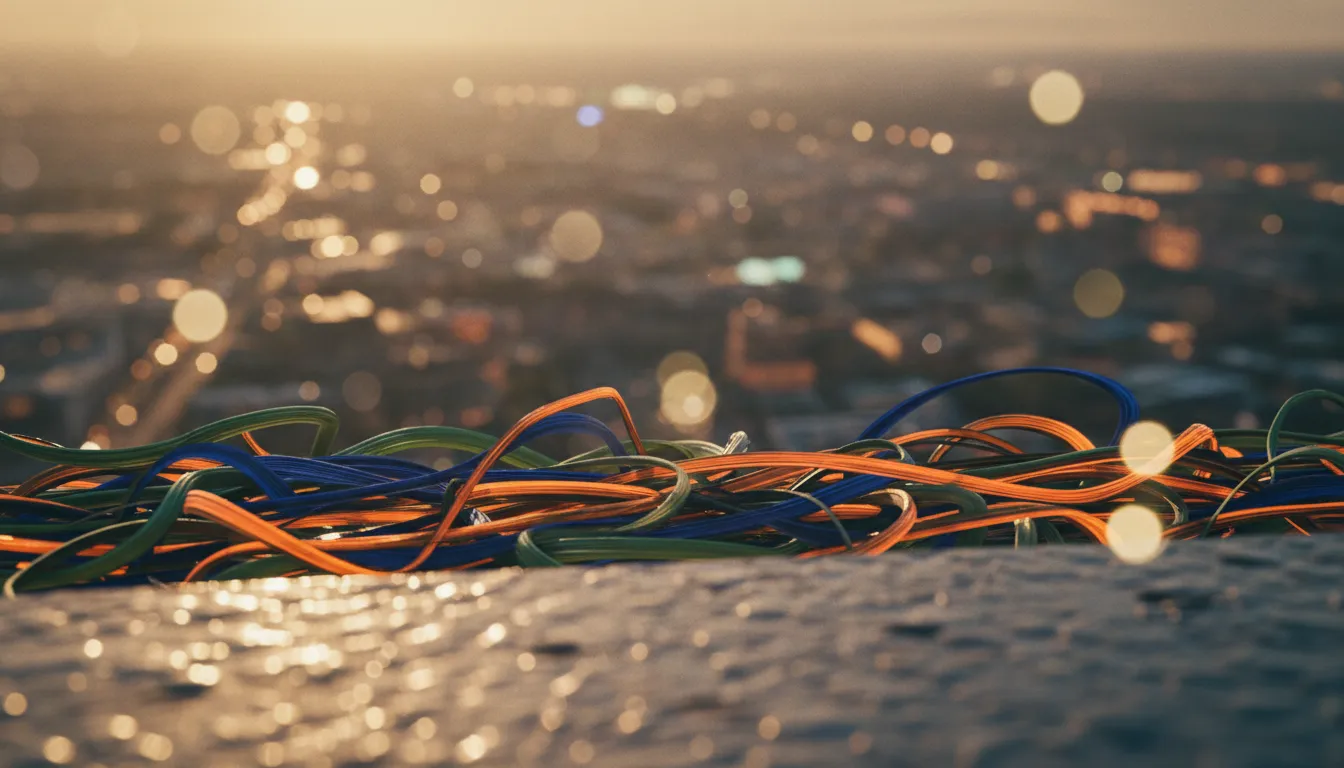
Defocusing and manipulating the lens can create unique, abstract effects. By intentionally blurring or distorting the image, photographers can emphasize certain elements or create entirely new forms. This technique can be particularly effective when used with macro photography, where the subject is already magnified.
Experimental Darkroom Techniques
For those who still enjoy working in the darkroom, experimental techniques such as multiple exposures and manipulation of development times can produce intriguing abstract images. These methods allow for a high degree of creativity and control over the final product. As noted in Photographic Techniques & Effects, such techniques can add an extra layer of artistry to your work.
Digital Manipulation and Compositing
Digital manipulation and compositing offer a wide range of possibilities for creating abstract images. Using software like Adobe Photoshop, photographers can combine multiple images, apply various filters, and adjust colors to create complex, layered compositions. This technique allows for a high degree of flexibility and can result in highly original abstract art.
As photographer
“The camera is an instrument that teaches people how to see without a camera.”
- Dorothea Lange. This quote emphasizes the importance of understanding and interpreting the world around us, a key aspect of abstract photography.
Overcoming Common Challenges in Abstract Photography
The realm of abstract photography is fraught with challenges, from finding a unique voice to overcoming technical limitations. As photographers explore this creative field, they often encounter obstacles that can impede their progress. Understanding these challenges and how to surmount them is crucial for success in abstract photography.
Finding Your Unique Style
Developing a distinctive style is a significant challenge in abstract photography. To stand out, photographers must experiment with various techniques, such as intentional camera movement or multiple exposures, to create unique images. Exploring creative abstract ideas and pushing the boundaries of conventional photography can help in discovering one’s artistic voice.
Dealing with Technical Limitations
Technical limitations can often hinder the creative process. Photographers may face issues with equipment, such as lens quality or camera capabilities. To overcome these challenges, understanding the best abstract photography practices and utilizing the right equipment for the desired effect is essential. For instance, using the right filters or mastering post-processing techniques can significantly enhance the quality of abstract photographs.
Responding to Criticism
Abstract photography, being highly subjective, often invites criticism. Responding constructively to feedback is vital for growth. Photographers should focus on their artistic vision and not be deterred by negative opinions. Engaging with a community of fellow photographers and sharing work can provide valuable insights and help in refining one’s style.
| Challenge | Solution |
|---|---|
| Finding Unique Style | Experiment with techniques like ICM and multiple exposures |
| Technical Limitations | Understand best practices and use appropriate equipment |
| Responding to Criticism | Focus on artistic vision and engage with photography communities |
A well-crafted abstract photography portfolio is a reflection of your unique perspective and understanding of abstract art. It’s a curated collection of your best work that showcases your skill and creativity.
Curating Your Images
Curating your abstract photography images is a critical step in building a strong portfolio. Start by selecting your strongest images that demonstrate your mastery of abstract photography techniques. Consider the visual flow and cohesion between images, ensuring that they work together to tell a story or evoke a particular emotion.
Presenting Abstract Photography Effectively
Presenting your abstract photography effectively is just as important as the images themselves. Use a consistent layout and design that complements your work without overpowering it. Consider the sequence of images and how they relate to each other, creating a narrative or emotional journey for the viewer.
Selling and Exhibiting Abstract Photography
Selling and exhibiting abstract photography requires a deep understanding of the market and a keen eye for presentation. Abstract photographers must navigate a unique landscape, where the subjective value of their work can significantly impact its saleability and exhibition potential.
Finding Your Market
Identifying the right market for your abstract photography is crucial. This involves understanding your target audience, whether they are collectors, interior designers, or galleries. Researching online platforms, local art scenes, and photography communities can help you pinpoint where your work will resonate most.
| Market | Characteristics | Potential |
|---|---|---|
| Collectors | Look for unique, high-quality pieces | High demand for limited editions |
| Interior Designers | Seek art that complements spaces | Opportunities for large-scale prints |
| Galleries | Prefer cohesive, curated collections | Exposure to a broad audience |
Exhibiting your abstract photography effectively requires a strategic approach. Consider the physical and digital spaces where your work will be displayed. Online exhibitions and social media can provide global reach, while local galleries and art fairs offer opportunities for in-person engagement.
By understanding your market and employing thoughtful exhibition strategies, you can successfully sell and exhibit your abstract photography, connecting with audiences and advancing your career as a photographer.
Conclusion
Abstract photography is a unique and expressive art form that challenges traditional notions of photography. By applying the techniques and principles outlined in this guide, you’ll be well on your way to creating stunning abstract images that showcase your creativity and style.
Understanding abstract art is key to mastering abstract photography techniques. It’s about experimenting, taking risks, and pushing the boundaries of what’s possible with your camera. Whether you’re capturing intricate patterns, bold colors, or dynamic textures, abstract photography offers endless opportunities for creative expression.
For more insights into the world of abstract photography, you can explore resources that delve into the essentials of abstract photography, providing a deeper understanding of this captivating art form.
FAQ
What is abstract photography?
Abstract photography is a genre of photography that focuses on capturing images that are non-representational and don’t necessarily depict the world in a realistic way. It often involves experimenting with techniques such as intentional camera movement, multiple exposure, and post-processing to create visually striking and thought-provoking images.### How do I get started with abstract photography?
To get started with abstract photography, begin by experimenting with different techniques such as intentional camera movement, multiple exposure, and macro abstraction. You can also try shooting everyday objects, nature, and landscapes from unique perspectives to create abstract images.### What are some essential techniques for abstract photography?
Some essential techniques for abstract photography include intentional camera movement (ICM), multiple exposure, macro abstraction, and post-processing. You can also experiment with defocusing, lens manipulation, and digital manipulation to create complex and visually striking abstract images.### How do I choose the right equipment for abstract photography?
When it comes to equipment for abstract photography, you can use a variety of cameras and lenses. Look for lenses that are versatile and can be used for macro, wide-angle, or telephoto shots. You can also experiment with filters, accessories, and experimental tools and props to enhance your abstract images.### How do I edit abstract photographs?
Editing abstract photographs involves using post-processing techniques to enhance the image and create a cohesive visual style. You can use software such as Adobe Lightroom and Photoshop to adjust colors, contrast, and texture, and to apply creative effects such as blending modes and layers.### Can I sell my abstract photographs?
Yes, you can sell your abstract photographs. To do so, you’ll need to build a portfolio of your work, find your market, and develop exhibition strategies. You can also consider selling your work online through platforms such as Etsy or Redbubble, or through local art galleries and exhibitions.### How do I build a portfolio of abstract work?
To build a portfolio of abstract work, start by curating your images and selecting the strongest and most cohesive pieces. You can then present your work in a physical or online portfolio, and consider exhibiting your work in local galleries or online platforms.### What are some creative abstract photography ideas?
Some creative abstract photography ideas include capturing water and reflection projects, experimenting with glass and transparency effects, and using abstract portrait techniques. You can also try shooting everyday objects, nature, and landscapes from unique perspectives to create abstract images.