
Beginner's Guide to Understanding Photography Composition
Understanding the basics of photography composition is crucial for capturing stunning images. It's the foundation upon which great photographs are built, guiding the viewer's eye and creating a lasting impression.
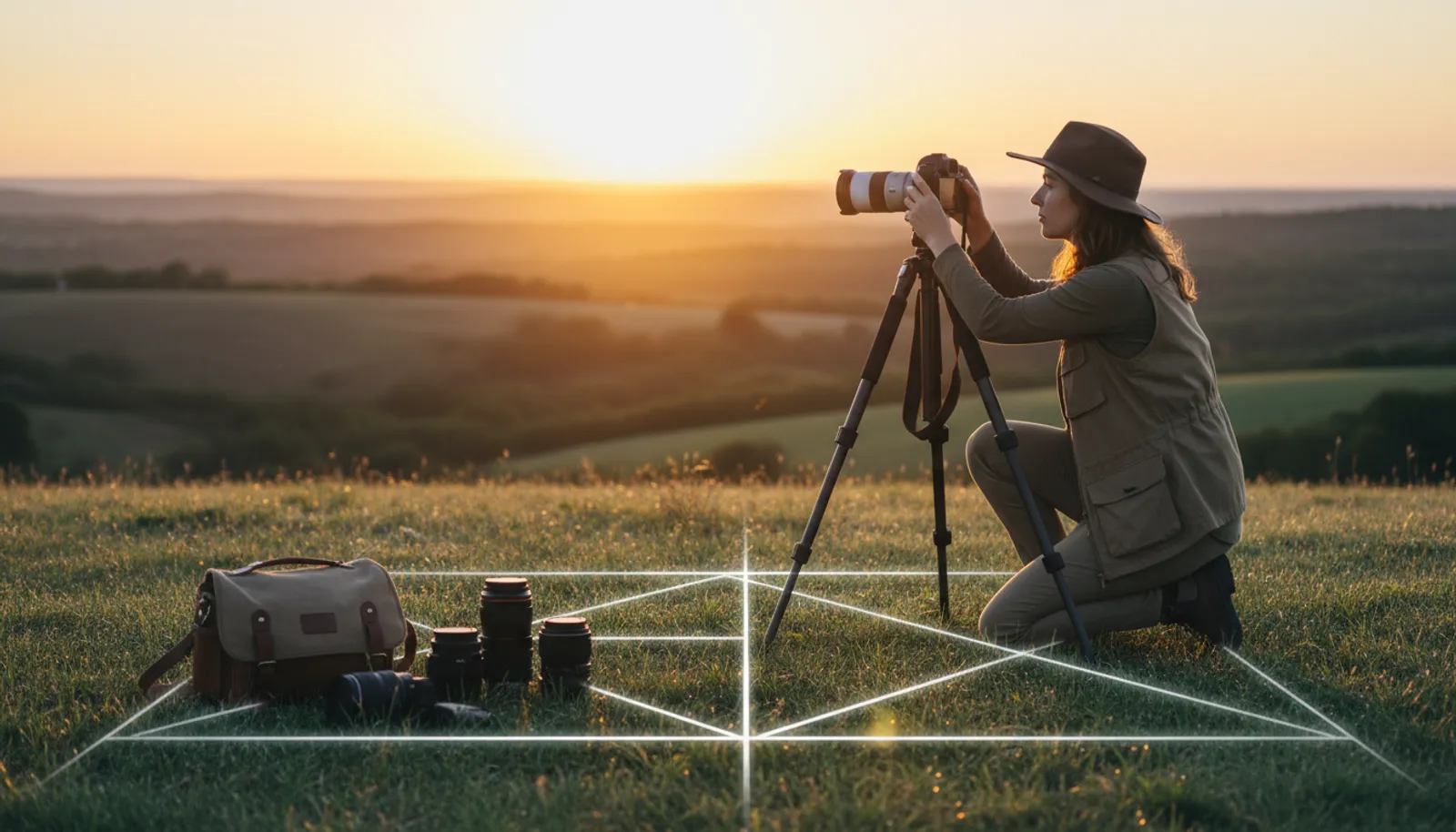

25 min read
Capturing a great moment is just the beginning; it’s the way you compose a photo that truly makes it stand out. Understanding the basics of photography composition can elevate your photos from ordinary to extraordinary. In this guide, we’ll explore the fundamental principles that will help you take your photography skills to the next level.
Whether you’re a seasoned photographer or just starting out, mastering photography composition is key to creating visually appealing images. For a deeper dive into the world of photography composition, check out our comprehensive guide on photography composition techniques.
Key Takeaways
- Understand the fundamental principles of photography composition
- Learn how to effectively compose a photo
- Discover techniques to enhance your photography skills
- Explore the importance of visual storytelling in photography
- Master the art of creating balanced and visually appealing images
The Fundamentals of Photography Composition
Understanding the basics of photography composition is crucial for capturing stunning images. It’s the foundation upon which great photographs are built, guiding the viewer’s eye and creating a lasting impression.
What is Composition in Photography?
Composition in photography refers to the arrangement of visual elements within a frame. It involves using various techniques to create a balanced and aesthetically pleasing image. Effective composition can make a significant difference in the impact of a photograph.
Why Composition Matters in Creating Impactful Images
Composition matters because it determines how the viewer interacts with the image. Good composition can evoke emotions, convey messages, and create a connection between the viewer and the subject. By applying photography rules of composition, photographers can enhance the visual appeal of their images.
The Difference Between Good and Great Photos
The difference between good and great photos often lies in the composition. A well-composed photograph can elevate the subject, create depth, and guide the viewer’s eye. The table below highlights key differences:
| Aspect | Good Photos | Great Photos |
|---|---|---|
| Subject Placement | Centered, straightforward | Strategically placed using the rule of thirds |
| Background | Often cluttered or distracting | Clean, simple, and complementary |
| Visual Elements | Lacking in depth and interest | Rich in texture, pattern, and depth |
Photography Composition Basics: The Foundation for Great Images
The foundation of great photography lies in mastering composition techniques that enhance the visual appeal of an image. By understanding and applying these basics, photographers can significantly improve the quality and impact of their work.
Elements of Visual Design in Photography
Visual design elements in photography include line, shape, form, texture, and color. These elements, when used effectively, contribute to creating a balanced and aesthetically pleasing composition. For instance, lines can lead the viewer’s eye to the subject, while shapes and forms can add depth and interest.
How Composition Affects Viewer Response
The way a photo is composed can significantly influence how viewers respond to it. A well-composed image can evoke emotions, convey a message, or simply provide aesthetic pleasure.
Emotional Impact of Well-Composed Images
Well-composed images have the power to evoke strong emotions. By using appropriate composition techniques, photographers can create a connection between the viewer and the image, making the experience more engaging and memorable.
| Composition Technique | Effect on Viewer |
|---|---|
| Leading Lines | Guides the viewer’s eye to the subject |
| Symmetry | Creates a sense of order and calm |
| Contrast | Highlights the subject and adds depth |
The Rule of Thirds: Your First Step to Better Composition
To create visually appealing images, understanding and applying the rule of thirds is essential. This fundamental principle of photography composition involves dividing the image into thirds both horizontally and vertically, creating nine equal parts.
Understanding the Rule of Thirds Grid
The rule of thirds grid is a simple yet powerful tool that helps photographers compose their shots more effectively. By placing important elements along these lines or at their intersections, you can create more balanced and engaging images.
Practical Applications of the Rule of Thirds
Practically applying the rule of thirds involves positioning your subject or key elements along the grid lines or at their intersections. For example, when shooting a landscape, placing the horizon on the top or bottom third line rather than centering it can make the image more interesting.
In portrait photography, aligning the subject’s eyes with the top third line can create a more pleasing composition. This technique helps in avoiding centering the subject and adds depth to the image.
When to Break the Rule of Thirds
While the rule of thirds is a valuable guideline, there are instances where breaking it can lead to a more compelling image. For example, symmetry in architecture or reflections can be more effectively captured by centering the subject.
Exercises to Practice the Rule of Thirds
To master the rule of thirds, practice is key. Try the following exercises:
- Take a series of photos using the rule of thirds grid.
- Experiment with different compositions by placing your subject at various intersections.
- Review your photos and analyze how the rule of thirds affects the overall composition.
By understanding and practicing the rule of thirds, you can significantly improve your photography composition techniques and create more visually appealing images.
Leading Lines: Guiding the Viewer’s Eye
In photography, leading lines are a powerful composition technique that guides the viewer’s eye through the image. By incorporating leading lines into your composition, you can create a more engaging and dynamic photograph that draws the viewer’s attention to the subject.
Types of Leading Lines in Photography
Leading lines can be categorized into different types based on their shape and orientation. Understanding these types can help you identify and use them more effectively in your photography.
Straight, Curved, and Converging Lines
Straight lines are often found in urban environments, such as roads, shorelines, or architectural features. Curved lines, on the other hand, can be seen in natural forms like rivers, coastlines, or paths. Converging lines, where two or more lines meet at a vanishing point, can create a strong sense of depth and perspective.
- Straight lines: roads, shorelines, architectural features
- Curved lines: rivers, coastlines, paths
- Converging lines: creating depth and perspective
How to Identify and Use Leading Lines
To effectively use leading lines, you need to be able to identify them in your environment. Look for features that can lead the viewer’s eye to your subject.
Finding Leading Lines in Urban and Natural Settings
In urban settings, leading lines can be found in roads, sidewalks, or building edges. In natural environments, look for paths, shorelines, or any continuous feature that can guide the viewer’s eye.
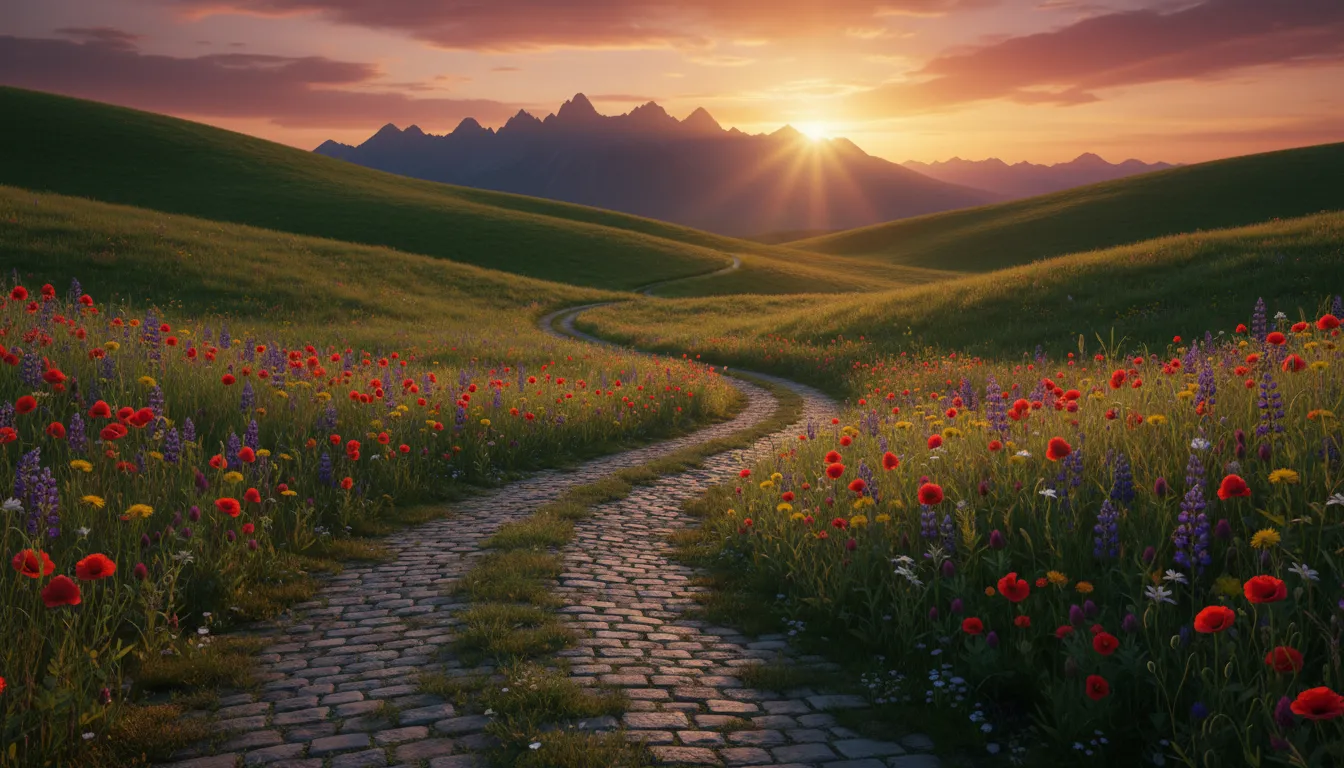 By understanding and using leading lines, you can significantly enhance your photography composition, making your images more engaging and effective at conveying your message.
Framing Your Subject: Creating Context and Depth
Framing your subject is a powerful photography composition technique that adds depth and context to your images. By using elements within the scene to create a frame around your subject, you can draw attention to it and enhance the overall visual appeal.
Natural Frames in the Environment
Nature provides numerous opportunities for framing your subject. Archways, trees, and rock formations can serve as natural frames, adding a sense of depth and context to your photographs. Look for these elements when composing your shot to create a more engaging image.
Creating Artificial Frames for Your Subject
In addition to natural frames, you can also create artificial frames using various objects. Doorways, windows, and even man-made structures can be used to frame your subject. This technique helps in isolating the subject from the background, making it more prominent.
Using Foreground Elements as Frames
Foreground elements can be effectively used to create frames for your subject. By positioning these elements in the foreground, you can create a sense of depth and lead the viewer’s eye to the subject. Some common foreground elements used for framing include:
- Flowers and foliage
- Architectural features
- Rock formations
| Framing Element | Description | Example |
|---|---|---|
| Archways | Natural or man-made archways can frame your subject. | Ancient ruins |
| Trees | Tree branches or trunks can be used to create a natural frame. | Forest landscapes |
| Doorways | Doorways and gateways can serve as artificial frames. | Urban photography |
Balance and Symmetry in Composition
Balance and symmetry are fundamental elements that can elevate your photography composition. When composing a photo, achieving balance ensures that the viewer’s attention is directed appropriately throughout the image.
Formal vs. Informal Balance
Photography composition involves two main types of balance: formal and informal. Formal balance refers to the use of symmetry, where elements on one side of the composition are mirrored on the other. Informal balance, on the other hand, involves arranging elements in a way that creates balance without symmetry.
Using Symmetry for Powerful Images
Symmetry can create powerful and striking images. It is often used in architecture, reflection, and landscape photography. To achieve symmetry, look for reflections, patterns, or architectural features that can be mirrored.
Reflections are a great way to create symmetrical compositions. Look for bodies of water, glass surfaces, or metallic reflections that can mirror your subject.
Creating Asymmetrical Balance
Asymmetrical balance involves creating balance without symmetry. This can be achieved by using different elements such as color, size, and placement to create visual weight on either side of the composition. For example:
- Use a large element on one side and balance it with several smaller elements on the other.
- Balance a brightly colored element with a duller, larger element.
- Play with the placement of elements, using the rule of thirds to guide your composition.
By mastering balance and symmetry, you can significantly enhance your photography composition skills, making your images more engaging and visually appealing.
Understanding Visual Weight in Your Images
The concept of visual weight in photography refers to the ability of certain elements within an image to draw the viewer’s attention. Visual weight is crucial in determining how a viewer interacts with an image, making it a fundamental aspect of photography composition basics.
Elements That Create Visual Weight
Several elements contribute to the visual weight of an image, including size, color, and contrast. These elements can be manipulated to guide the viewer’s eye through the photograph.
Size, Color, and Contrast as Weight Factors
- Size: Larger elements tend to have more visual weight than smaller ones.
- Color: Bright and saturated colors can draw more attention than muted or darker colors.
- Contrast: Elements with high contrast to their surroundings tend to stand out more.
Balancing Visual Elements in the Frame
Balancing visual elements is key to creating a harmonious composition. This can be achieved by distributing visual weight evenly throughout the frame or by creating a deliberate imbalance to guide the viewer’s eye.
As the renowned photographer Ansel Adams once said, “You don’t take a photograph, you make it.” Making a photograph involves understanding and applying various composition techniques to create a visually appealing image.
“The camera is an instrument that teaches people how to see without a camera.” - Dorothea Lange
Understanding visual weight and how to balance it is a crucial step in mastering photography composition.
| Element | Effect on Visual Weight |
|---|---|
| Size | Larger elements increase visual weight |
| Color | Bright and saturated colors attract more attention |
| Contrast | High contrast elements stand out more |
When composing a photo, incorporating negative space can significantly enhance the visual impact of your subject. Negative space refers to the area between and around subjects in an image. It doesn’t have to be literally “empty” but is generally less detailed than the subject itself.
How Negative Space Enhances Your Subject
Negative space draws attention to the subject by reducing distractions in the background. It creates a clean and simple composition that guides the viewer’s eye directly to the main element of the image.
Minimalist Composition Techniques
Minimalist photography often relies heavily on negative space. Techniques include using a plain background, avoiding clutter, and focusing on a single subject.
Creating Impact Through Simplicity
By simplifying the composition, photographers can create a more powerful and emotional connection with the viewer. As photographer Ansel Adams once said, “You don’t take a photograph, you make it.”
“The camera is an instrument that teaches people how to see without a camera.” -
Dorothea Lange
To effectively use negative space, consider the following:
- Simplify the background
- Avoid clutter
- Focus on a single subject
| Technique | Description | Effect |
|---|---|---|
| Plain Background | Using a simple, uncluttered background | Reduces distractions |
| Clutter Avoidance | Avoiding unnecessary elements in the frame | Enhances subject focus |
The Golden Ratio and Fibonacci Spiral in Photography
In the pursuit of capturing stunning photographs, understanding and utilizing the golden ratio can be a game-changer. This mathematical principle has been used for centuries to create visually appealing compositions, and its application in photography is no exception.
Understanding the Mathematics Behind Beauty
The golden ratio, approximately equal to 1.618, is believed to possess unique aesthetic properties. It is derived from the Fibonacci sequence, where each number is the sum of the two preceding ones (1, 1, 2, 3, 5, 8, 13, etc.). When applied to photography, this ratio can help create balanced and harmonious compositions. For instance, you can use the golden ratio to determine the placement of your subject or to divide the frame into more pleasing sections.
Applying the Golden Ratio to Your Compositions
To apply the golden ratio in your photography, you can follow these steps:
- Divide your frame into sections using the golden ratio grid.
- Place important elements along these lines or at their intersections.
- Experiment with different compositions to find what works best for your image.
Using Golden Ratio Overlays in Post-Processing
Many post-processing tools and apps offer overlays that can help you apply the golden ratio to your images. For example, you can use software like Adobe Lightroom or Photoshop to overlay a golden spiral or grid on your image, making it easier to crop or adjust your composition according to the golden ratio principles. For more information on how to use the golden spiral, you can visit this tutorial.
By incorporating the golden ratio into your photography composition techniques, you can enhance the aesthetic appeal of your images and create more engaging photographs.
Creating Depth in Your Photographs
One of the key elements that distinguish a good photograph from a great one is its ability to convey depth. Creating depth in your photographs makes them more engaging and immersive for the viewer. Depth is not just about the physical distance between objects in the scene but also about how these elements interact to create a visually appealing image.
Foreground, Middle Ground, and Background
A fundamental technique for creating depth is utilizing the foreground, middle ground, and background effectively. By ensuring that each of these layers contains interesting elements, you can create a sense of layering that draws the viewer’s eye through the image. For example, a landscape photograph might feature flowers or rocks in the foreground, trees or buildings in the middle ground, and mountains or a sunset in the background.
Using Perspective to Create Depth
Perspective is another powerful tool for creating depth. Techniques such as converging lines, where parallel lines seem to converge in the distance, can lead the viewer’s eye into the image. Atmospheric perspective, where objects in the distance become less distinct due to atmospheric conditions, can also enhance the sense of depth.
Lens Choice and Its Impact on Depth Perception
The choice of lens can significantly affect the perception of depth. Wide-angle lenses tend to exaggerate depth, making scenes appear more expansive. Telephoto lenses, on the other hand, compress the scene, reducing the apparent depth. Understanding how different lenses affect your composition is crucial for achieving the desired depth in your photographs.
| Lens Type | Effect on Depth | Best Use |
|---|---|---|
| Wide-Angle Lens | Exaggerates depth | Landscape, Architecture |
| Telephoto Lens | Compresses depth | Portrait, Wildlife |
| Standard Lens | Natural perspective | Street, Documentary |
Color Theory and Composition
In photography, color theory is not just about aesthetics; it’s a tool that can guide the viewer’s eye and enhance the narrative. By understanding and applying color theory principles, photographers can significantly improve their composition techniques.
Color Harmony and Contrast
Color harmony refers to the way colors work together to create a visually appealing image. Contrast, on the other hand, is about creating visual interest by juxtaposing different elements, such as color, texture, and tone. A well-balanced composition often results from a thoughtful combination of harmony and contrast.
Using Color Psychology in Your Images
Colors evoke emotions and convey messages. For instance, warm colors like red and orange can create a sense of energy, while cool colors like blue and green can evoke calmness. Photographers can use color psychology to influence how viewers respond to their images.
Monochromatic vs. Complementary Color Schemes
Monochromatic color schemes involve using different shades of the same color, creating a cohesive and harmonious look. Complementary color schemes, however, use colors that are opposite each other on the color wheel, resulting in high contrast and visual interest.
Seasonal Color Considerations in Photography
Different seasons offer unique color palettes. For example, autumn is characterized by warm, earthy tones, while winter often features cool, icy colors. Understanding these seasonal color considerations can help photographers plan and capture images that are contextually relevant.
| Season | Dominant Colors | Photography Tips |
|---|---|---|
| Spring | Pastel shades, greens | Capture blooming flowers and fresh greenery |
| Summer | Vibrant colors, blues | Utilize the golden hour for warm tones |
| Autumn | Warm earth tones, oranges, yellows | Focus on foliage and harvest scenes |
| Winter | Cool tones, icy blues, whites | Emphasize snow textures and cold atmospheres |
Understanding and applying patterns, textures, and repetition can significantly enhance the composition of your photographs. These elements can add depth, interest, and complexity to your images, making them more engaging for viewers.
Finding and Highlighting Patterns
Patterns are repetitive elements that can be found in nature or man-made structures. To highlight patterns, look for symmetry, leading lines, or shapes that repeat. For more information on patterns in photography, visit Photzy’s guide on patterns.
Using Texture to Add Visual Interest
Texture adds a tactile quality to your images, inviting viewers to explore the surface details of your subject. Capturing texture effectively involves playing with lighting to accentuate the surface characteristics.
Breaking Patterns for Emphasis
Breaking patterns can create visual interest by introducing an element that disrupts the repetition. This technique can be used to draw attention to a specific part of the image.
Creating Visual Rhythm Through Repetition
Repetition creates a rhythm that guides the viewer’s eye through the image. By repeating elements such as shapes or colors, you can create a sense of harmony and flow.
| Technique | Description | Effect |
|---|---|---|
| Patterns | Repetitive elements in nature or man-made structures | Adds depth and complexity |
| Textures | Tactile quality through surface details | Invites viewer exploration |
| Repetition | Creating rhythm through repeated elements | Guides the viewer’s eye |
The ability to suggest movement in a still photograph is a hallmark of skilled photographers who master composition techniques. Even in static images, conveying a sense of motion can elevate the visual impact of your photograph. This section explores how to create a sense of movement and direct the viewer’s eye through the image.
Creating a Sense of Motion
To create a sense of motion, photographers often use techniques that imply movement. One effective method is to capture a subject in action, such as a dancer leaping or a car racing by. Another technique is to use a slow shutter speed to blur the subject, conveying a sense of dynamism.
Directing the Viewer’s Journey Through the Image
Directing the viewer’s eye through the image is crucial for maintaining engagement. This can be achieved by using leading lines, framing the subject, or creating a visual pathway. The goal is to guide the viewer’s attention to the main subject or point of interest.
Using Shutter Speed to Control Movement
Shutter speed is a critical factor in capturing or conveying motion. A fast shutter speed can freeze fast-moving subjects, while a slow shutter speed can create a blur, suggesting movement. The choice of shutter speed depends on the effect desired.
| Shutter Speed | Effect on Motion |
|---|---|
| Fast (1/1000th of a second or faster) | Freezes motion, capturing sharp details |
| Slow (1 second or slower) | Creates blur, conveying a sense of movement |
To master photography composition, it’s essential to know how to use your camera settings effectively. Camera settings can significantly impact the overall look and feel of your photographs, making it crucial to understand how to adjust them to enhance your composition.
Aperture and Depth of Field
Aperture is one of the fundamental camera settings that can greatly affect the composition of your image. A wide aperture (small f-stop number) can create a shallow depth of field, isolating your subject from the background. Conversely, a narrow aperture (large f-stop number) ensures more of the image is in focus, which can be beneficial for landscape photography.
Focal Length and Perspective
The focal length of your lens also plays a critical role in composition. Different focal lengths can alter the perspective of your image, making objects appear larger or smaller than they are. For instance, a wide-angle lens can exaggerate the sense of space, while a telephoto lens can compress the perspective.
Using Camera Grids and Electronic Levels
Many modern cameras come equipped with features like camera grids and electronic levels. These tools can assist in composing a photo by helping you align your subject with the rule of thirds or ensuring your horizon is level. By utilizing these features, you can improve the photography rules of composition in your images. For more techniques on improving your photography composition, visit inwanderment.com.
Common Composition Mistakes and How to Avoid Them
Many photographers, regardless of their skill level, often make composition mistakes that can be easily avoided. Understanding these common pitfalls is crucial for improving your photography composition basics and mastering effective composition techniques.
Cluttered Backgrounds and Distractions
A cluttered background can distract from your subject, making it less prominent. To avoid this, use a plain background or adjust your angle to simplify the scene. You can also use a wide aperture to blur the background, making your subject stand out.
Poor Subject Placement
Placing your subject in the center of the frame can result in a static composition. Instead, apply the rule of thirds to place your subject off-center, creating a more dynamic image.
Horizon Line Issues
A tilted horizon can make your image look unprofessional. Ensure your horizon is level by using the camera’s grid feature or a spirit level. This simple step can significantly improve your composition.
Pre-Visualization Techniques to Prevent Mistakes
Pre-visualization involves imagining the final image before taking the shot. This technique can help you identify potential composition mistakes. For more insights on avoiding common composition mistakes, visit Digital Photography School.
| Mistake | Solution |
|---|---|
| Cluttered Background | Simplify or blur the background |
| Poor Subject Placement | Apply the rule of thirds |
| Horizon Line Issues | Use a grid or spirit level |
Composition Techniques for Different Photography Genres
The art of photography composition varies significantly across different genres, including landscape, portrait, street, and macro photography. Each genre presents unique challenges and opportunities for creative expression.
Landscape Photography Composition
Landscape photography often involves capturing vast scenes, making the use of leading lines, the rule of thirds, and foreground interest crucial. Incorporating elements like mountains, rivers, or shorelines can add depth to your images.

Portrait Photography Composition
In portrait photography, the focus is on the subject, so composition techniques like framing, negative space, and the rule of thirds can help draw attention to the subject’s face and expression.
Street Photography Composition
Street photography requires a keen eye for capturing moments. Using composition techniques like leading lines, framing, and anticipating the decisive moment can result in compelling images.
Macro Photography Composition
Macro photography involves capturing small details, making composition techniques like filling the frame, using a shallow depth of field, and experimenting with angles essential for creating visually appealing images.
Adapting Composition Rules to Your Preferred Genre
While understanding general composition rules is important, adapting these rules to your preferred photography genre can help you develop a unique style. Experimenting with different techniques and being open to learning from your experiences is key to mastering composition in your chosen genre.
Conclusion: Developing Your Eye for Composition
Mastering photography composition basics is a continuous process that requires patience, practice, and dedication. By understanding the principles outlined in this guide, you’re well on your way to composing a photo that captures the viewer’s attention and tells a story.
As you continue to practice, remember that the key to improving your composition skills is to keep experimenting and pushing yourself out of your comfort zone. Try new techniques, revisit the fundamentals, and most importantly, keep shooting.
With time and practice, you’ll develop your unique eye for composition, allowing you to create stunning images that resonate with your audience. Whether you’re capturing landscapes, portraits, or street scenes, the principles of photography composition will help you elevate your craft and produce images that are both visually appealing and emotionally engaging.
FAQ
What are the basic principles of photography composition?
The basic principles of photography composition include the rule of thirds, leading lines, framing, balance, and symmetry. These principles help create visually appealing and effective images.### How do I apply the rule of thirds in photography?
To apply the rule of thirds, divide the image into thirds both horizontally and vertically, and place important elements along these lines or at their intersections. This technique helps create more balanced and interesting compositions.### What is the role of leading lines in photography composition?
Leading lines are visual elements that guide the viewer’s eye through the image, often to the subject. They can be found in various forms, such as roads, paths, shorelines, or any continuous feature that leads to the point of interest.### How can I effectively use negative space in my photographs?
Negative space is the area around and between subjects. To use it effectively, simplify the composition by minimizing clutter, and use the empty space to isolate the subject, creating a more impactful image.### What is visual weight, and how do I balance it in my images?
Visual weight refers to the elements in an image that draw the viewer’s attention, such as size, color, and contrast. To balance visual weight, distribute these elements thoughtfully throughout the frame, ensuring no single element dominates the image unnecessarily.### How does color theory impact photography composition?
Color theory plays a significant role in photography composition by influencing the mood and emotional impact of an image. Understanding color harmony, contrast, and psychology can help create visually appealing and emotionally engaging photographs.### Can you explain how to create depth in photographs?
Creating depth in photographs involves using techniques such as layering (foreground, middle ground, and background), perspective, and lens choice. These methods help create a sense of dimensionality, making the image more engaging.### What are some common composition mistakes, and how can I avoid them?
Common composition mistakes include cluttered backgrounds, poor subject placement, and horizon line issues. To avoid these, pre-visualize your shot, simplify the background, place your subject thoughtfully, and ensure the horizon is level.### How do different photography genres require different composition techniques?
Different genres, such as landscape, portrait, street, and macro photography, require adapted composition techniques. For example, landscape photography often utilizes leading lines and grand vistas, while portrait photography focuses on the subject’s expression and placement within the frame.### What camera settings can enhance my composition?
Camera settings such as aperture, which controls depth of field, and focal length, which affects perspective, can significantly enhance composition. Using camera grids and electronic levels can also help achieve better composition.