
Getting Started with Abstract Photography
Understanding abstract photography requires delving into its core principles and characteristics. Abstract photography is an artistic expression that diverges from conventional representational photography. It's about capturing images that don't necessarily represent the real world in a literal s...

27 min read
Exploring the world of abstract photography can be a thrilling experience, especially for those starting with abstract art. This creative genre encourages you to see beyond the ordinary and capture the beauty in shapes, colors, patterns, and textures. Unlike traditional photography, abstract photography doesn’t aim to represent reality literally; instead, it emphasizes visual elements to create images that may not be immediately recognizable.
By embracing abstract photography, you’ll be encouraged to break traditional rules and explore new creative possibilities. For more insights and techniques, you can visit Digital Photography School for valuable resources on creating stunning abstract photos.
Key Takeaways
- Understand the basics of abstract photography
- Learn techniques to capture unique abstract images
- Discover how to emphasize visual elements over realism
- Explore creative possibilities by breaking traditional photography rules
- Find resources for further learning and inspiration
What is Abstract Photography?
Understanding abstract photography requires delving into its core principles and characteristics. Abstract photography is an artistic expression that diverges from conventional representational photography. It’s about capturing images that don’t necessarily represent the real world in a literal sense.
Defining Abstract in Visual Arts
Abstract photography emphasizes non-representational imagery, where the subject matter is not immediately recognizable. This genre encourages photographers to experiment with different techniques to create unique, abstract compositions.
The Concept of Non-Representational Imagery
Non-representational imagery in abstract photography means that the images don’t directly depict reality. Instead, they focus on capturing patterns, textures, and colors that evoke emotions and moods.
Abstract vs. Concrete in Photography
The distinction between abstract and concrete photography lies in their approach to representation. While concrete photography aims to capture a clear, recognizable subject, abstract photography seeks to interpret and represent the subject in a non-literal manner.
How Abstract Photography Differs from Other Genres
Abstract photography stands out from other genres due to its emphasis on form, color, and texture. It often involves breaking traditional photography rules to create innovative and artistic images.
Breaking Traditional Photography Rules
Abstract photography encourages photographers to experiment and push boundaries. Techniques like intentional camera movement and multiple exposures are used to create unique effects.
Emphasis on Form, Color, and Texture
| Element | Description | Example |
|---|---|---|
| Form | Geometric shapes and patterns | Capturing abstract shapes in architecture |
| Color | Vibrant hues and contrasting tones | Using colored filters or post-processing techniques |
| Texture | Detailed surface patterns and designs | Macro photography of natural textures |
The History and Evolution of Abstract Photography
Abstract photography has a fascinating history that spans decades, marked by pioneering spirits and groundbreaking techniques. This genre of photography has evolved significantly over the years, influenced by various artistic movements and technological advancements.
Early Pioneers of Abstract Photography
The early 20th century saw the emergence of photographers who dared to challenge conventional photography norms. These pioneers laid the foundation for what would become known as abstract photography.
Man Ray and Photograms
Man Ray, an American visual artist, made significant contributions to abstract photography through his experimental techniques. One of his most notable methods was the creation of photograms, images produced without a camera by placing objects on light-sensitive paper.
László Moholy-Nagy’s Experimental Approach
László Moholy-Nagy, a Hungarian artist and photographer, was another key figure in the development of abstract photography. He explored various experimental techniques, including photograms and camera-less photography, pushing the boundaries of what photography could achieve.
Modern Abstract Photography Trends
In recent years, abstract photography has continued to evolve, driven by technological advancements and the creative vision of contemporary photographers.
Digital Manipulation and Abstract Art
The advent of digital technology has opened new avenues for abstract photography. Photographers can now manipulate images using software, creating complex and intriguing abstract compositions. This digital manipulation has become a hallmark of modern abstract photography.
Contemporary Abstract Photography Movements
Today, abstract photography encompasses a wide range of styles and techniques. Contemporary photographers continue to push the boundaries of the genre, experimenting with new methods and technologies to create innovative and captivating abstract images.
Understanding the history and evolution of abstract photography provides abstract photography for beginners with a solid foundation to explore this creative genre. By understanding abstract concepts and techniques, photographers can unlock new possibilities for artistic expression.
Why Try Abstract Photography for Beginners
Starting with abstract photography allows beginners to break free from traditional photography rules. This genre offers a unique opportunity for creative expression and experimentation.
Creative Freedom and Expression
Abstract photography provides liberation from technical perfectionism, allowing beginners to focus on the artistic aspect rather than achieving technical flawlessness. It enables emotional communication through abstraction, where the photographer can convey feelings and moods through their work.
Liberation from Technical Perfectionism
By not being constrained by the need for a perfectly sharp image or precise composition, beginners can explore different techniques and styles. As
“The goal of the artist is to create something that is not just visually pleasing but also emotionally resonant.”
, and abstract photography offers a unique path to achieve this.
Emotional Communication Through Abstraction
Abstract photography allows for the expression of emotions and ideas in a non-representational way, connecting with viewers on a deeper level.
Developing a Unique Artistic Voice
Experimenting with abstract photography helps beginners develop their own style and artistic voice. As they explore different techniques and subjects, they can discover what works best for them.
Building Technical Skills Through Experimentation
Abstract photography encourages experimentation, which in turn helps in learning camera controls and understanding visual elements more deeply.
Learning Camera Controls Through Play
Through trial and error, beginners can learn how different camera settings affect their photographs, gaining hands-on experience.
Understanding Visual Elements More Deeply
By focusing on abstract compositions, photographers can gain a deeper understanding of elements like color, texture, and form.
 In conclusion, abstract photography is an excellent starting point for beginners. It offers creative freedom, helps develop a unique artistic voice, and builds technical skills through experimentation.
Essential Equipment for Abstract Photography
To dive into the world of abstract photography, understanding your equipment is key to unlocking your creative potential. Abstract photography is about experimenting with different techniques and tools to capture unique images.
Camera Options: From Smartphone to DSLR
The camera is the most critical tool in abstract photography. You don’t necessarily need the most advanced equipment to start; even a smartphone can produce remarkable abstract photos. Smartphone photography has come a long way, offering high-quality cameras and a range of editing apps that can help you achieve professional-looking results.
Getting Started with Smartphone Photography
For beginners, starting with a smartphone is a great way to explore abstract photography. The convenience of having a camera always with you allows for spontaneous captures. You can experiment with different angles, lighting conditions, and editing techniques to create compelling abstract images. For more ideas on abstract photography using smartphones, visit The School of Photography for inspiration.
Benefits of Mirrorless and DSLR Cameras
While smartphones are convenient, mirrorless and DSLR cameras offer more manual controls and better image quality, which can be advantageous for abstract photography. These cameras allow for interchangeable lenses, better low-light performance, and more creative control over depth of field and exposure.
Useful Lenses for Abstract Work
The right lens can significantly impact your abstract photography. Different lenses offer unique effects that can enhance your images.
Macro Lenses for Detail Work
Macro lenses are ideal for capturing detailed close-ups, revealing patterns and textures that are not visible to the naked eye. They are perfect for abstract photography, allowing you to explore the intricate details of your subjects.
Wide-Angle and Fisheye for Distortion
Wide-angle and fisheye lenses can add a creative twist to your abstract photography by introducing distortion. These lenses can exaggerate perspectives, creating dynamic and abstract compositions.
Accessories That Enhance Abstract Photography
Beyond the camera and lenses, various accessories can enhance your abstract photography experience.
Filters and Prisms for Creative Effects
Filters and prisms can be used to create unique effects, such as diffraction patterns or color shifts. These tools add another layer of creativity to your abstract photography.
Tripods and Remote Triggers for Long Exposures
Tripods provide stability, which is crucial for long exposures and capturing motion blur effects. Remote triggers or camera timers help avoid camera shake, ensuring sharper images even at slow shutter speeds.
By understanding and utilizing the right equipment, you can significantly enhance your abstract photography. Experimenting with different cameras, lenses, and accessories will help you discover your unique style and voice in this creative genre.
Understanding Light and Composition in Abstract Photography
Mastering abstract photography requires a deep understanding of light and composition, two elements that can make or break an image. The interplay between light and shadow can transform ordinary subjects into extraordinary abstract art.
Working with Natural Light
Natural light is a powerful tool in abstract photography. It can enhance textures, create intriguing shadows, and add depth to your images.
Golden Hour and Blue Hour Opportunities
The golden hour, just before sunset, and the blue hour, just after sunset, offer soft, warm, and cool light, respectively. These periods are ideal for capturing abstract images with a unique ambiance. For instance, the golden hour can add a warm glow to your subjects, while the blue hour can introduce a serene, cool tone.
Harsh Light and Shadows for Dramatic Abstracts
Harsh light can create dramatic shadows, adding complexity and interest to your abstract photographs. Experimenting with the direction and intensity of natural light can lead to captivating abstract compositions.
Artificial Lighting Techniques
In addition to natural light, artificial lighting can be used to create innovative abstract images. Techniques such as light painting and studio lighting offer photographers more control over the lighting in their compositions.
Light Painting for Abstract Images
Light painting involves moving a light source during a long exposure to create unique, abstract patterns. This technique allows for a high degree of creativity and can result in fascinating images.
Studio Lighting Setups for Control
Studio lighting setups provide photographers with the ability to control the light’s direction, intensity, and color, making it easier to achieve the desired abstract effect. By adjusting the lighting, photographers can emphasize certain aspects of their subject and create complex compositions.
Composition Rules and When to Break Them
Understanding traditional composition rules is essential, but abstract photography often thrives on breaking these rules. Experimenting with unconventional compositions can lead to innovative and captivating abstract images.
Using Lines, Shapes, and Patterns
Lines, shapes, and patterns are fundamental elements in composition. In abstract photography, these elements can be used to create visually appealing and thought-provoking images. For more on natural abstract patterns, visit Light Stalking.
Negative Space in Abstract Compositions
Negative space can add simplicity and elegance to abstract compositions. By balancing elements with empty space, photographers can create a sense of harmony and focus in their images.
| Composition Element | Traditional Use | Abstract Application |
|---|---|---|
| Lines | Leading the viewer’s eye | Creating abstract patterns |
| Shapes | Forming recognizable subjects | Abstracting into geometric forms |
| Patterns | Adding texture and interest | Creating the main subject of the image |
10 Fundamental Techniques for Abstract Photography for Beginners
The world of abstract photography is vast and exciting, with numerous techniques waiting to be discovered by beginners. Mastering these techniques can help you unlock your creative potential and produce stunning abstract images.
Intentional Camera Movement
Intentional camera movement is a powerful technique used to create abstract, dynamic images. By moving your camera during exposure, you can convey a sense of motion and blur.
Panning and Zooming During Exposure
Panning involves moving your camera horizontally to follow a moving subject, creating a blurred background. Zooming during exposure can produce a radial blur effect, emphasizing the center of the image.
Shutter Speed Selection for Motion Blur
Choosing the right shutter speed is crucial for achieving the desired motion blur. Faster shutter speeds will freeze motion, while slower speeds will create more blur.
Macro and Close-up Photography
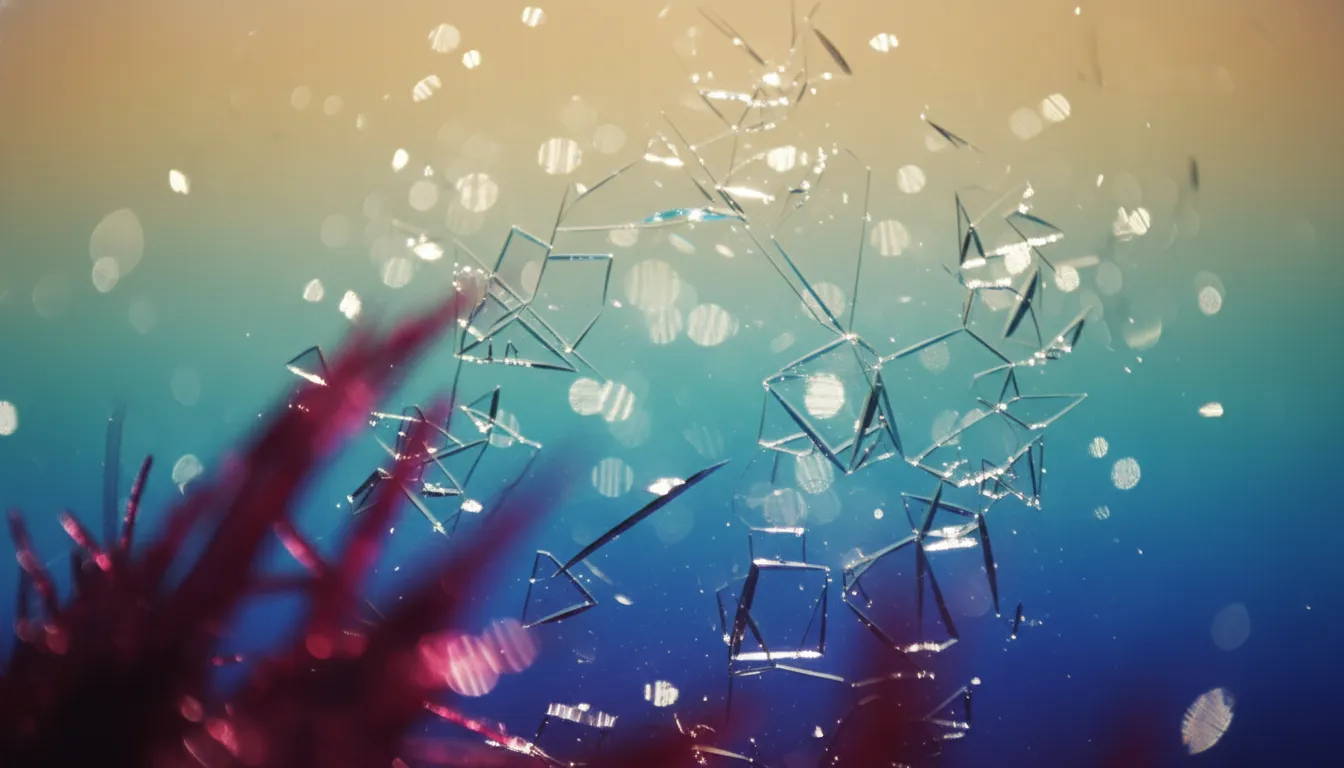
Macro and close-up photography allow you to explore the intricate details of small objects, revealing abstract patterns and textures.
Finding Abstract Patterns in Small Details
By getting up close to your subject, you can discover abstract patterns and shapes that are not visible to the naked eye.
Focus Techniques for Macro Abstraction
Using a shallow depth of field can help isolate specific details, creating a sense of abstraction.
Playing with Reflections and Shadows
Reflections and shadows can add an extra layer of depth and interest to your abstract photographs.
Water and Glass Surface Reflections
Capturing reflections on water or glass surfaces can produce intriguing abstract images, with distorted shapes and colors.
Creating Abstract Shadow Compositions
Experimenting with light sources and objects can help you create complex, abstract shadow compositions.
Multiple Exposure Techniques
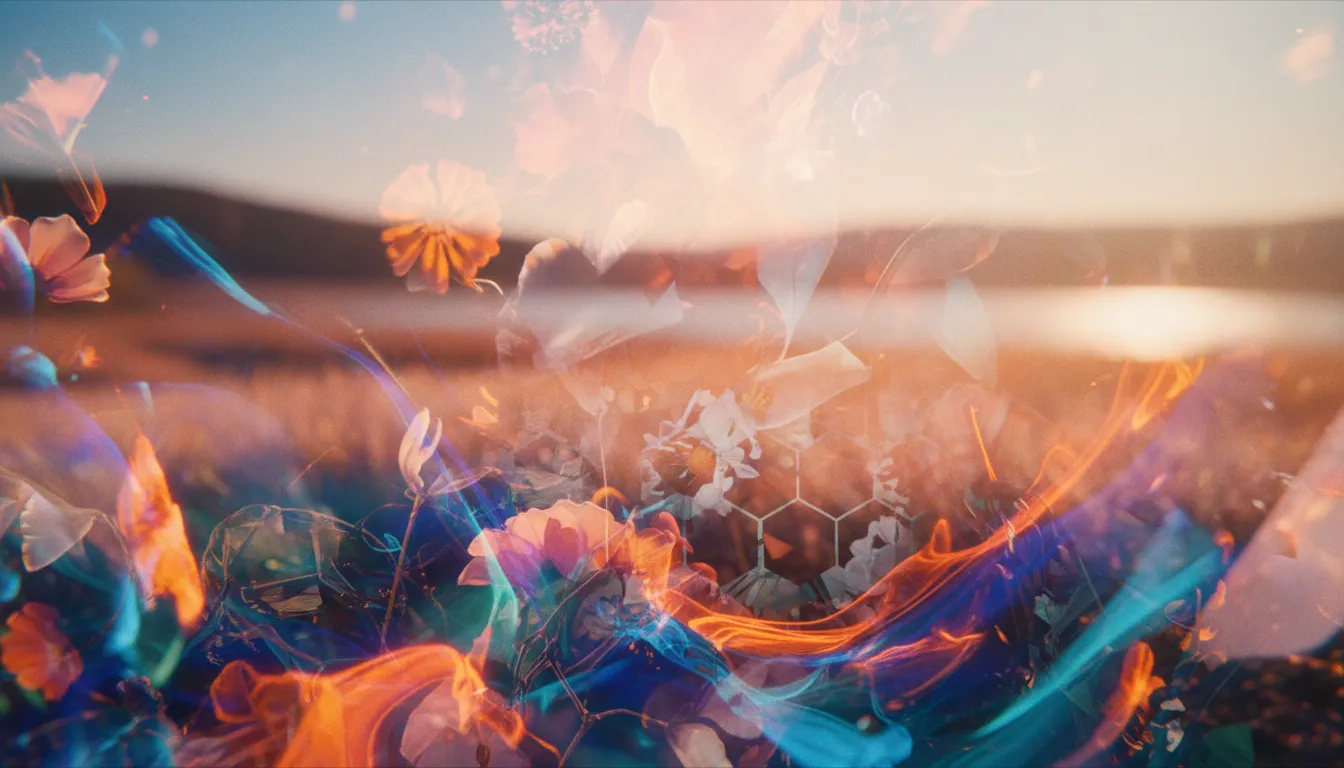
Multiple exposure techniques involve combining multiple images into a single frame, creating complex, layered abstract compositions.
In-Camera Multiple Exposures
Some cameras allow you to take multiple exposures in-camera, which can be a fun and creative way to produce abstract images.
Digital Blending of Multiple Images
You can also blend multiple images digitally using photo editing software, offering more control over the final result.
By experimenting with these 10 fundamental techniques, beginners can develop their skills and style in abstract photography, unlocking new creative possibilities.
Finding Subjects for Abstract Photography
Abstract photography encourages us to see the world from new angles, transforming ordinary subjects into extraordinary art. The beauty of abstract photography lies in its ability to turn the mundane into something visually striking.
Everyday Objects as Abstract Subjects
One of the most accessible sources of abstract photography subjects is everyday objects. These can range from household items to personal belongings.
Household Items in New Perspectives
Household items, when viewed from unusual angles or under specific lighting conditions, can become abstract art. For instance, the patterns on a ceramic vase or the reflections on a metallic surface can create intriguing compositions.
Transforming the Mundane into Art
The key to abstract photography is to look beyond the obvious. By focusing on textures, patterns, or shapes, you can transform ordinary objects into captivating images.
Natural Elements and Patterns
Nature is a rich source of abstract photography subjects, offering a wide range of textures, patterns, and formations.
Organic Textures and Formations
Natural elements like rocks, wood, and leaves provide a variety of textures and patterns that can be captured abstractly. The intricate details in these natural formations can make for compelling photographs.
Weather Phenomena as Abstract Subjects
Weather conditions like fog, mist, or clouds can also serve as abstract subjects. Capturing the movement or patterns in these phenomena can result in visually striking images.
| Subject Category | Examples | Abstract Elements |
|---|---|---|
| Everyday Objects | Household items, personal belongings | Textures, patterns, reflections |
| Natural Elements | Rocks, wood, leaves, weather phenomena | Textures, formations, patterns, movement |
| Urban Environments | Buildings, architecture, urban textures | Geometric patterns, textures, surfaces |
Urban environments and architecture offer a wealth of abstract photography opportunities, from geometric patterns in buildings to abstract urban textures and surfaces.
Geometric Patterns in Buildings
Buildings and architectural structures often feature geometric patterns that can be abstracted and emphasized through photography.
Abstract Urban Textures and Surfaces
The surfaces and textures found in urban environments, such as graffiti, rust, or concrete patterns, can also be captured abstractly, adding to the diversity of abstract photography subjects.
Color Theory and Its Application in Abstract Photography
Color theory plays a pivotal role in abstract photography, enabling artists to convey emotions and ideas through vibrant hues and subtle tones. By understanding and applying color theory principles, photographers can significantly enhance the impact of their abstract images.
Understanding Color Relationships
Color relationships are fundamental to creating compelling abstract photographs. The way colors interact with each other can evoke different emotions and moods.
Complementary and Analogous Color Schemes
Complementary colors, which are opposite each other on the color wheel, can create visually striking contrasts. Analogous colors, situated next to each other on the color wheel, produce harmonious and soothing effects. Experimenting with these color schemes can add depth and interest to abstract photographs.
Color Contrast and Harmony
Achieving a balance between color contrast and harmony is crucial. High contrast can draw attention to specific elements, while harmony can create a cohesive and pleasing image. Understanding when to apply each can elevate the quality of abstract photography.
Creating Mood with Color Palettes
Color palettes can dramatically influence the mood of an abstract photograph. Different colors evoke different emotions and can be used to convey the intended message or feeling.
Warm Colors for Energy and Passion
Warm colors, such as reds, oranges, and yellows, are often associated with energy, warmth, and passion. Using these colors can add a dynamic and vibrant feel to abstract images.
Cool Colors for Calm and Tranquility
Cool colors, including blues, greens, and purples, tend to evoke feelings of calmness and serenity. Incorporating these colors can create soothing and contemplative abstract photographs.
When to Use Black and White for Abstract Work
While color is a powerful tool in abstract photography, black and white can also be incredibly effective. It can simplify the image, emphasizing form and texture.
Emphasizing Form and Texture
Black and white photography can highlight the textures and forms within an image, adding depth and dimensionality. This can be particularly effective in abstract photography, where the focus is on the visual elements rather than the subject itself.
Creating Timeless Abstract Images
Black and white abstract photography can also create timeless images, unbound by the trends of color. This timelessness can make the photographs feel more universal and enduring.
| Color Scheme | Effect | Best Used For |
|---|---|---|
| Complementary | High contrast, visually striking | Drawing attention, creating dynamic images |
| Analogous | Harmonious, soothing | Creating cohesive, calming images |
| Warm Colors | Energizing, passionate | Conveying energy, warmth, and passion |
| Cool Colors | Calming, serene | Evoking calmness and serenity |
The true magic of abstract photography often happens in post-processing, where creativity knows no bounds. As photographers, we’re not just capturing images; we’re creating art that can be further enhanced and transformed during the editing process.
Essential Editing Tools and Software
For abstract photography for beginners, understanding the basics of editing software is crucial. Tools like Lightroom and Photoshop are industry standards, offering a range of functionalities from basic adjustments to advanced manipulations.
Basic Adjustments in Lightroom
Lightroom is ideal for making initial adjustments to your abstract photographs. You can tweak exposure, contrast, and color balance to enhance the overall mood of your image. For instance, adjusting the clarity and texture sliders can add depth to your abstract compositions.
Advanced Manipulation in Photoshop
Photoshop takes editing to the next level, allowing for complex manipulations that can transform your abstract images. Techniques such as layer masking and content-aware fill can help you achieve unique effects that are characteristic of abstract photography.
Creating Abstract Effects in Post-Production
Post-processing is where you can truly experiment and push the boundaries of your abstract photography. Techniques like using blending modes and layer techniques can create intriguing effects that add to the abstract nature of your images.
Blending Modes and Layer Techniques
Experimenting with different blending modes can significantly alter the look and feel of your abstract photographs. For example, using the “Overlay” or “Soft Light” blending modes can add interesting textures and depth to your images.
Filters and Plugins for Abstract Effects
There are numerous filters and plugins available that can help you achieve specific abstract effects. From vintage film simulations to surreal color grading, these tools can enhance your creative vision and contribute to the overall aesthetic of your abstract photography.
Maintaining Authenticity in Edited Abstract Images
While editing is a powerful tool, it’s essential to maintain the authenticity of your abstract photographs. Best practices for abstract photography include balancing creativity with integrity, ensuring that your edits enhance rather than overshadow the original capture.
Balancing Creativity with Integrity
The key to successful post-processing in abstract photography is finding a balance between creativity and staying true to the original image. It’s about enhancing the essence of your photograph without losing its inherent character.
Developing a Consistent Editing Style
Consistency is key to building a recognizable portfolio of abstract photography. Developing a consistent editing style helps in creating a cohesive body of work that reflects your artistic vision.
Common Challenges in Abstract Photography and How to Overcome Them
Understanding abstract concepts is crucial for photographers looking to expand their portfolio with abstract photography. As photographers explore this genre, they encounter various challenges that can be both creatively and technically daunting.
Finding Meaning in Abstraction
One of the primary challenges in abstract photography is finding meaning in the abstraction. Abstract images often lack clear subjects, making it difficult for viewers to connect with them on an emotional level.
Connecting Emotion to Abstract Images
To overcome this, photographers can focus on evoking emotions through color, texture, and composition. For instance, using bold colors can create a sense of energy or calmness, depending on the palette chosen.
Telling Stories Through Non-Representational Work
Even without a clear subject, abstract photographs can tell stories. Photographers can achieve this by creating a narrative through the abstract elements, such as patterns or textures that suggest a particular mood or atmosphere. For more insights on creating compelling abstract images, visit Digital Photography School for tips on abstract landscape photography.
Technical Difficulties and Solutions
Technical challenges are another hurdle in abstract photography. Issues such as focusing on abstract subjects or achieving the right exposure can be particularly troublesome.
Focusing Issues in Abstract Photography
Focusing on abstract subjects often requires a different approach than traditional photography. Photographers may need to experiment with different focus techniques, such as intentional blur or selective focus, to achieve the desired effect.
Exposure Challenges with Unusual Subjects
Abstract subjects can also pose exposure challenges. For example, capturing the intricate details in a close-up shot may require adjusting the exposure compensation to avoid overexposure. A table summarizing common exposure challenges and their solutions is provided below:
| Challenge | Solution |
|---|---|
| Overexposure in bright subjects | Reduce exposure compensation |
| Underexposure in dark subjects | Increase exposure compensation |
| Capturing detailed textures | Use a low ISO and adjust lighting |
Developing an eye for abstract compositions is crucial for success in this genre. It involves training oneself to see beyond the obvious and appreciate the beauty in abstract forms.
Training Yourself to See Differently
Photographers can train themselves by practicing regularly and experimenting with different techniques. This could involve looking for patterns, textures, and colors in everyday objects.
Exercises to Improve Abstract Vision
Exercises such as photographing the same subject from different angles or under different lighting conditions can help improve one’s abstract vision. Regular practice and a willingness to experiment are key to developing a keen eye for abstract compositions.
Showcasing Your Abstract Photography
Showcasing your abstract photography is a crucial step in your artistic journey. As you develop your skills and style, presenting your work effectively can help you connect with like-minded artists and potential buyers. In this section, we’ll explore various ways to showcase your abstract photography, from building a portfolio to sharing your work on social media and entering competitions.
Building a Portfolio of Abstract Work
Creating a cohesive portfolio is essential for any photographer. For abstract photographers, this means curating a collection that showcases your unique perspective and style.
Curating a Cohesive Collection
To curate a cohesive collection, consider the following tips:
- Select images that share a common theme or aesthetic.
- Pay attention to the flow and sequence of your images.
- Use editing to create a consistent look across your portfolio.
Online Portfolio Platforms for Photographers
There are several online platforms where you can host your portfolio, such as:
- Format
- 500px
- Behance
These platforms offer a range of features to help you showcase your work professionally.
Sharing on Social Media and Photography Platforms
Social media is a powerful tool for photographers to share their work and connect with a wider audience.
Instagram Strategies for Abstract Photographers
To succeed on Instagram, consider:
- Posting consistently to maintain a strong presence.
- Using relevant hashtags to increase visibility.
- Engaging with your followers by responding to comments.
Finding Communities of Like-Minded Artists
Joining online communities and forums can help you connect with other abstract photographers and stay updated on the latest trends.
Entering Competitions and Exhibitions
Entering competitions and exhibitions is a great way to gain recognition and exposure for your work.
Finding Appropriate Venues for Abstract Work
Research competitions and exhibitions that are a good fit for your abstract photography.
Preparing Artist Statements for Abstract Photography
When entering competitions, you’ll often need to provide an artist statement. This should explain the inspiration and meaning behind your work.
By following these tips, you can effectively showcase your abstract photography and connect with others who appreciate your unique vision.
Drawing Inspiration: Notable Abstract Photographers and Their Work
Delving into the works of notable abstract photographers offers a wealth of knowledge and inspiration. These artists have not only pushed the boundaries of photography but have also contributed significantly to the evolution of abstract art.
Classic Abstract Photographers to Study
Understanding the pioneers of abstract photography is crucial for starting with abstract art. Their innovative techniques and perspectives have laid the groundwork for contemporary artists.
Aaron Siskind’s Textural Abstractions
Aaron Siskind’s work is renowned for its textural abstractions, where he transformed everyday scenes into abstract compositions. His approach to isolating details and emphasizing textures has been particularly influential.
Minor White’s Metaphorical Approach
Minor White’s photography often incorporated metaphorical and symbolic elements, adding depth to his abstract works. His ability to convey complex ideas through simple, abstract compositions is a valuable lesson for photographers.
Contemporary Artists Pushing Boundaries
Today, abstract photography continues to evolve, with contemporary artists experimenting with new techniques and technologies. Studying their work can provide insights into understanding abstract concepts and applying them to one’s own photography.
Jessica Eaton’s Color Experiments
Jessica Eaton is known for her vibrant color experiments, using photography to explore the boundaries of color and abstraction. Her work demonstrates the potential for abstract photography to engage viewers on a purely visual level.
Ola Kolehmainen’s Architectural Abstractions
Ola Kolehmainen’s architectural abstractions highlight the abstract beauty in urban structures. His use of reflections, patterns, and textures showcases the diversity within abstract photography.
Learning from Masters Across Different Styles
By studying a range of abstract photographers, from classic to contemporary, one can gain a broader understanding of the genre and its various styles. This knowledge can inspire photographers to adapt techniques to their own vision.
Adapting Techniques to Your Vision
While it’s essential to learn from the masters, it’s equally important to develop one’s own unique voice in abstract photography. Experimenting with different techniques and approaches can help photographers discover their personal style.
Finding Your Own Abstract Voice
As you explore the works of notable abstract photographers, remember that the journey to finding your own abstract voice is just as important as the destination. For more insights into abstract photography, visit Harold Davis’s Guide to Abstraction.
| Photographer | Style | Notable Technique |
|---|---|---|
| Aaron Siskind | Textural Abstractions | Isolating details |
| Minor White | Metaphorical Approach | Symbolic elements |
| Jessica Eaton | Color Experiments | Vibrant color use |
| Ola Kolehmainen | Architectural Abstractions | Reflections and patterns |
As you conclude this guide to abstract photography, it’s clear that the journey is just beginning. Abstract photography for beginners is about exploring the unknown, experimenting with techniques, and discovering your unique artistic voice. By understanding the best practices for abstract photography, you’re equipped to capture the world from fresh, innovative perspectives.
Remember, the key to mastering abstract photography lies in creativity and practice. Continue to experiment with different techniques, such as intentional camera movement and multiple exposures, to push the boundaries of your art. The world is full of abstract subjects waiting to be discovered – in nature, urban landscapes, and even everyday objects.
As you continue on your journey, stay inspired by the work of notable abstract photographers and keep practicing. Share your work, learn from feedback, and enjoy the process of growth and discovery. With persistence and passion, you’ll develop a compelling portfolio that showcases your unique perspective through abstract photography.
FAQ
What is abstract photography, and how does it differ from other photography genres?
Abstract photography is a genre that focuses on capturing non-representational images, emphasizing form, color, and texture. It differs from other genres by breaking traditional photography rules and encouraging creative expression.### What are the benefits of trying abstract photography for beginners?
Abstract photography offers creative freedom and expression, allowing beginners to develop their unique artistic voice and enhance their technical skills through experimentation.### What equipment do I need to get started with abstract photography?
You can start with a smartphone camera, but DSLR or mirrorless cameras offer more flexibility. Useful lenses include macro lenses for detail work and wide-angle or fisheye lenses for distortion. Accessories like filters, prisms, tripods, and remote triggers can also enhance your abstract photography.### How do I find subjects for abstract photography?
Look for everyday objects, natural elements, and urban environments that can be transformed into abstract compositions. Experiment with different perspectives, textures, and patterns to create unique images.### What role does color theory play in abstract photography?
Color theory is essential in abstract photography, as it helps create mood and atmosphere. Understanding color relationships, such as complementary and analogous color schemes, can enhance your compositions.### How can I improve my abstract photography skills?
Practice and experimentation are key. Try different techniques, such as intentional camera movement, macro photography, and multiple exposures. Study the work of other abstract photographers and learn from their approaches.### What are some common challenges in abstract photography, and how can I overcome them?
Common challenges include finding meaning in abstraction, technical difficulties, and developing your eye for abstract compositions. Overcome these by practicing, experimenting, and training yourself to see differently.### How can I showcase my abstract photography?
Build a portfolio of your work, share it on social media and photography platforms, and consider entering competitions and exhibitions. Curate a cohesive collection, and prepare an artist statement to accompany your work.### What are some essential post-processing techniques for abstract photography?
Essential techniques include basic adjustments in Lightroom, advanced manipulation in Photoshop, and using blending modes, layer techniques, and filters to create abstract effects. Maintain authenticity by balancing creativity with integrity.### How can I stay inspired and continue to grow as an abstract photographer?
Study the work of other abstract photographers, both classic and contemporary. Experiment with new techniques, and challenge yourself to see and capture the world in new and different ways.