How to Create Stunning Abstract Art
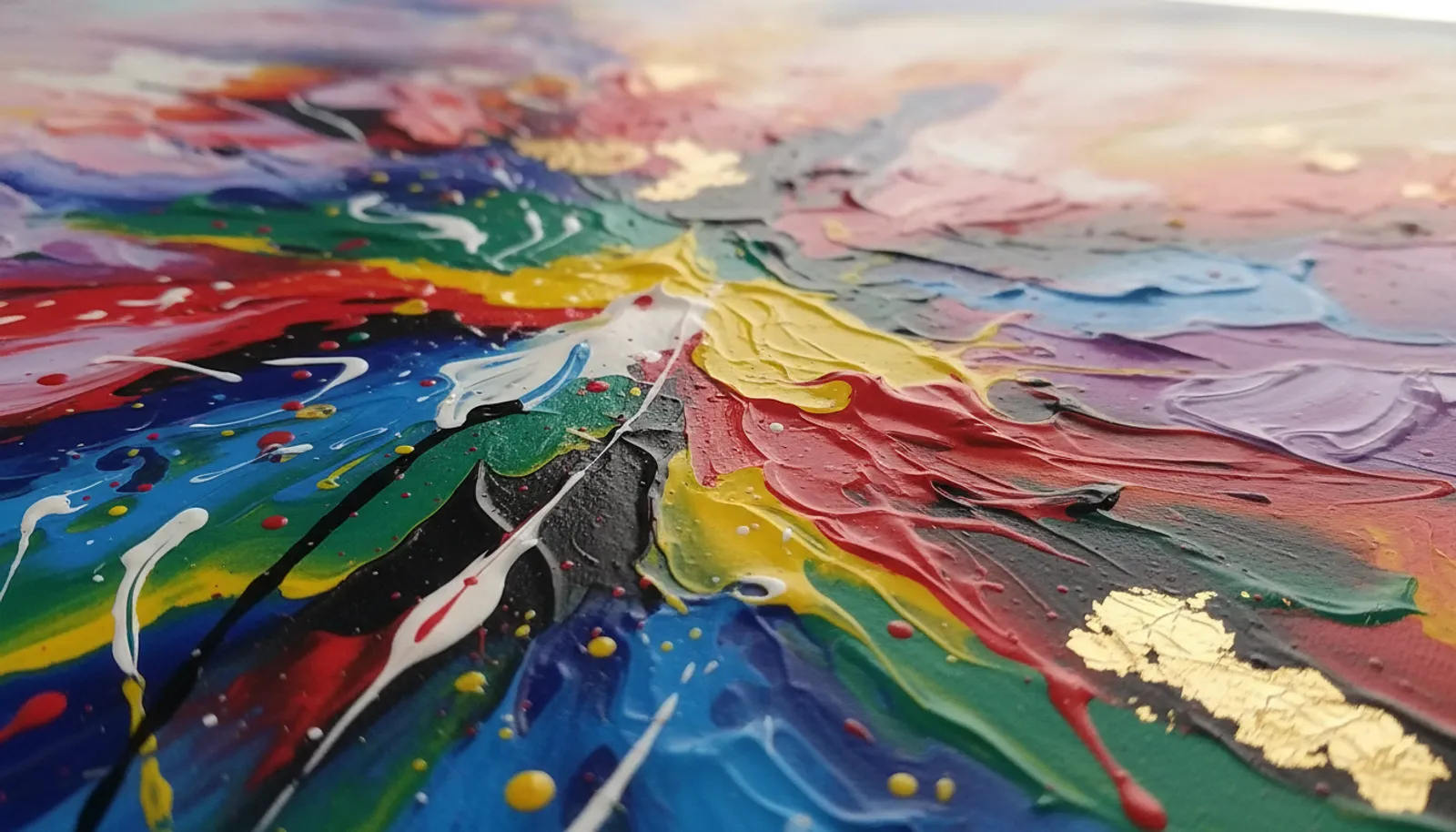
Abstract expressionism is more than just a style; it's a way to convey emotions and ideas through non-representational forms. This art form has been a cornerstone of modern art, allowing artists to break free from traditional representation and explore new ways of expressing themselves.
27 min read
Unlocking your creativity through abstract art can be a truly liberating experience. Abstract art allows you to express emotions and ideas without being tied to realistic representations. By exploring various abstract art techniques, you can discover new ways to convey your unique perspective.
Whether you’re a seasoned artist or a beginner, the process of creating abstract art can be both therapeutic and exhilarating. This article will guide you through the basics and beyond, helping you to unlock your full creative potential.
Key Takeaways
- Understanding the fundamentals of abstract art
- Exploring various techniques for creating abstract art
- Discovering how to express emotions through art
- Learning tips for enhancing your creative process
- Applying abstract art techniques in your own projects
The Essence of Abstract Expression
Abstract expressionism is more than just a style; it’s a way to convey emotions and ideas through non-representational forms. This art form has been a cornerstone of modern art, allowing artists to break free from traditional representation and explore new ways of expressing themselves.
What Defines Abstract Art
Abstract art is characterized by its non-representational nature, meaning it doesn’t depict recognizable objects or scenes. Instead, it focuses on color, shape, and form to convey emotion and idea. Abstract art techniques such as gestural painting, layering, and texture development are used to create complex and intriguing compositions.
The Historical Evolution of Abstraction
The evolution of abstract art is a rich and complex process that spans over a century. From the early experiments of Wassily Kandinsky to the action paintings of Jackson Pollock, abstract art has continually evolved, influenced by various cultural and artistic movements.
| Period | Key Artists | Characteristics |
|---|---|---|
| Early 20th Century | Wassily Kandinsky, Kazimir Malevich | Geometric abstraction, pioneering non-representational art |
| 1940s-1950s | Jackson Pollock, Mark Rothko | Action painting, color field painting |
| 1960s-Present | Various contemporary artists | Diverse range of styles, mixed media, digital art |
Abstract art continues to captivate audiences because it speaks to our emotions and imagination. It invites viewers to interpret and connect with the artwork on a personal level. Learning how to paint abstract art can be a rewarding experience, allowing individuals to express their inner world and creativity.
The ongoing appeal of abstract art lies in its ability to evolve and adapt, incorporating new techniques and mediums while maintaining its core essence as a form of emotional and intellectual expression.
The Psychology Behind Creating Abstract Art
Creating abstract art involves a complex interplay of emotions, intuition, and technique. This form of art is not just about producing aesthetically pleasing pieces; it’s deeply rooted in the artist’s psychological state and emotional experiences.
Emotional Expression Through Abstraction
Abstract art serves as a powerful medium for emotional expression. Artists use colors, shapes, and textures to convey feelings and emotions that might be difficult to express verbally. The process allows for a release of emotions, providing a therapeutic outlet for the creator.
Intuitive vs. Planned Approaches
There are two primary approaches to creating abstract art: intuitive and planned. The intuitive approach involves spontaneous actions and decisions during the creative process, while the planned approach involves preconceived notions and structured methods.
Embracing Spontaneity
Embracing spontaneity can lead to unexpected and innovative outcomes. It allows artists to tap into their subconscious mind, creating art that is raw and genuine.
Structured Abstraction Methods
On the other hand, structured abstraction methods provide a framework within which artists can work. This approach can help in achieving specific effects or moods in the artwork.
| Approach | Characteristics | Benefits |
|---|---|---|
| Intuitive | Spontaneous, unplanned | Raw, genuine, innovative |
| Planned | Structured, preconceived | Controlled, specific effects |
Essential Tools and Materials for Abstract Art
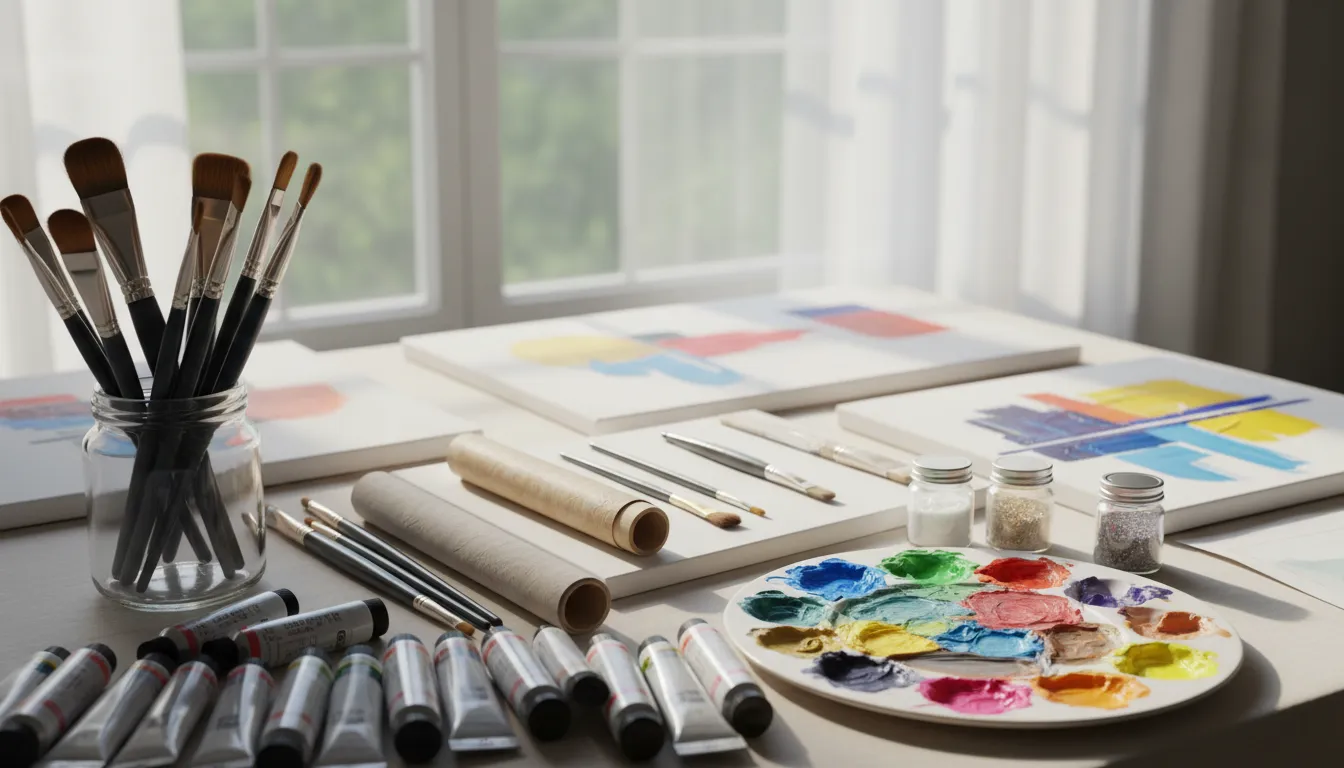
The world of abstract art is vast, and the materials you choose play a significant role in shaping your final piece. Selecting the right tools and materials can elevate your artwork and enhance your creative process.
Canvas and Surface Options
Choosing the right surface is fundamental to creating abstract art. The surface can affect the texture, durability, and overall appearance of your artwork.
Traditional Canvas Choices
Traditional canvas remains a popular choice among abstract artists due to its durability and versatility. Canvas comes in various weights and textures, allowing artists to select the one that best suits their style.
Alternative Painting Surfaces
Exploring alternative surfaces such as wood panels or paper can offer unique textures and effects. For instance, a wood panel can provide a rigid surface with a natural grain, while paper can offer a more delicate, absorbent surface.
Paint Types and Their Effects
The type of paint used can dramatically influence the final appearance of an abstract artwork. Different paints have distinct characteristics that can be leveraged to achieve specific effects.
Acrylics, Oils, and Watercolors
Acrylics are versatile and fast-drying, making them ideal for artists who work quickly or in layers. Oils offer rich colors and blending capabilities, allowing for subtle transitions and depth. Watercolors provide a translucent, fluid effect that can be both unpredictable and captivating.
Experimental Mediums
Experimenting with different mediums can lead to innovative textures and visual effects. Artists can mix paints with various substances like gel medium, paste, or even found materials to create unique consistencies and appearances.
| Paint Type | Drying Time | Blendability |
|---|---|---|
| Acrylic | Fast | Moderate |
| Oil | Slow | High |
| Watercolor | Fast | High |
The choice of brush or applicator can significantly affect the outcome of your artwork. Traditional brushes come in various shapes and sizes, each offering different stroke effects.
Unconconventional Tools Worth Trying
Using unconventional tools can add an extra layer of creativity to your abstract art. Tools like sponges, palette knives, or even household items can create interesting textures and patterns.
“The materials you choose are not just tools, they’re collaborators in your creative process.”
— Abstract Artist
By understanding and experimenting with different materials and tools, abstract artists can unlock new possibilities and enhance their artistic expression.
Setting Up Your Abstract Art Workspace
To produce stunning abstract art, artists need a workspace that is both functional and inspiring. A well-designed studio can significantly enhance the creative process, allowing artists to focus on their work without distractions.
Lighting Considerations
Proper lighting is crucial in an abstract art workspace. Natural light is ideal, as it allows artists to see the true colors of their work. When natural light is not available, invest in high-quality LED lighting that mimics daylight.
Space Organization for Creative Flow
An organized workspace promotes creative flow. Use storage solutions to keep materials within easy reach, and consider a layout that allows for easy movement around the studio.
Protecting Your Environment
Protecting your workspace from damage is essential. Cover your work surfaces with protective sheets, and use drop cloths to prevent paint spills from damaging floors.
Safety Measures for Art Materials
When working with art materials, safety is paramount. Use gloves and masks when handling toxic materials, and ensure good ventilation in your workspace.
Creating a Sustainable Studio
Creating a sustainable studio involves using eco-friendly materials and practices. Consider using recycled materials for your art and choosing paints with low VOC (Volatile Organic Compounds).
Color Theory for Abstract Artists
The strategic use of color is fundamental to abstract art, influencing how viewers perceive and connect with the artwork. By understanding and applying color theory principles, abstract artists can create pieces that are not only visually striking but also emotionally resonant.
Understanding Color Relationships
Color relationships are at the heart of color theory. Understanding how different colors interact is crucial for creating harmonious or contrasting effects in abstract art. The color wheel is a fundamental tool that illustrates these relationships, showing how colors are related to each other and how they can be mixed or contrasted.
- Monochromatic schemes use different shades of the same color to create a cohesive look.
- Complementary colors, which are opposite each other on the color wheel, can create a dynamic contrast.
- Analogous colors, which are next to each other on the color wheel, can produce a harmonious palette.
Creating Emotional Impact with Color
Colors can evoke different emotions and moods. Warm colors like red, orange, and yellow tend to energize and stimulate, while cool colors like blue, green, and purple can calm and soothe. Understanding the emotional impact of colors is key to creating abstract art that resonates with viewers.
Warm vs. Cool Color Psychology
Warm colors are often associated with energy, passion, and warmth, while cool colors are linked to calmness, serenity, and coolness. The choice between warm and cool colors depends on the emotional impact the artist wants to achieve.
Contrast and Harmony Effects
Contrast and harmony are two fundamental principles in color theory. High contrast can make a piece more dynamic, while harmony can create a sense of cohesion. Artists can experiment with different levels of contrast and harmony to achieve the desired effect.
Color Mixing Techniques for Abstraction
Color mixing is an essential skill for abstract artists. By experimenting with different color combinations and techniques, artists can achieve unique textures and effects. Techniques such as glazing, layering, and mixing colors directly on the canvas can produce a wide range of hues and shades.
Some key techniques include:
- Layering transparent colors to achieve deep, rich hues.
- Mixing colors directly on the canvas to create unique, spontaneous effects.
- Using the color wheel to identify harmonious color schemes.
By mastering color theory and experimenting with different techniques, abstract artists can enhance their work and create pieces that are both visually striking and emotionally engaging.
Fundamental Techniques for Creating Abstract Art
To create stunning abstract art, artists must familiarize themselves with fundamental techniques that foster creativity and expression. Abstract art is a diverse and dynamic field that encourages experimentation and innovation.
Gestural Painting Approaches
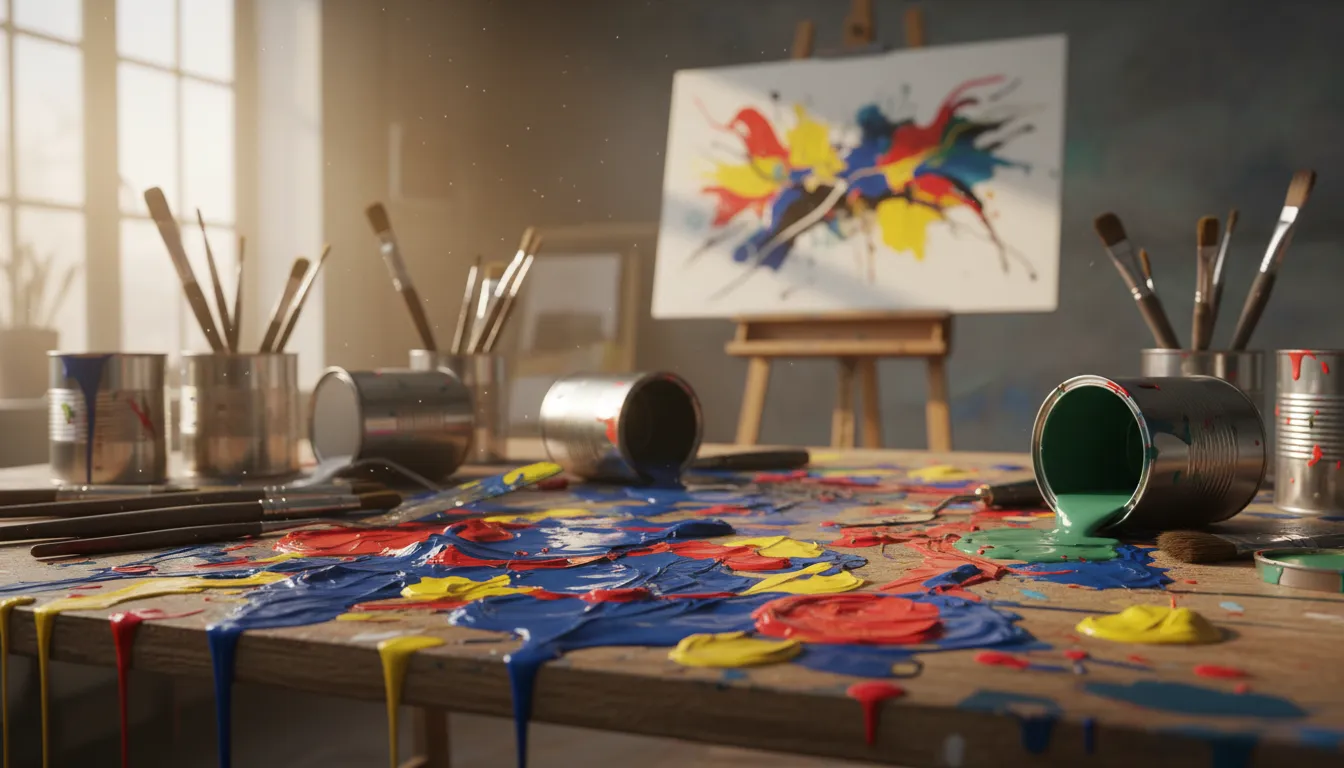
Gestural painting involves using bold, expressive brushstrokes to convey emotion and energy. This technique is all about movement and spontaneity, allowing the artist’s feelings to guide the creative process. By using large brushes or even their hands, artists can create dynamic, layered pieces that capture the essence of their inner world.
Layering Methods
Layering is a crucial technique in abstract art, enabling artists to build complexity and depth in their work. By applying multiple layers of paint, artists can achieve a rich, textured surface that invites the viewer to explore the artwork more deeply.
Transparent vs. Opaque Layering
Transparent layering involves using glazes or thin washes to create a sense of depth and luminosity. In contrast, opaque layering uses thicker, more solid applications of paint to create bold, graphic statements. Both approaches can be used together to achieve a balanced, visually interesting composition.
Creating Depth Through Layers
To create a sense of depth in abstract art, artists can use layering to build up different levels of texture and color. By starting with a base layer and gradually adding more layers, artists can achieve a sense of dimensionality that draws the viewer in.
| Layering Technique | Description | Effect |
|---|---|---|
| Transparent | Using glazes or thin washes | Creates depth and luminosity |
| Opaque | Using thicker, solid paint applications | Creates bold, graphic statements |
| Combined | Mixing transparent and opaque layers | Achieves a balanced composition |
Texture plays a vital role in abstract art, adding a tactile quality that enhances the viewer’s experience. Artists can develop texture using a range of techniques, from applying heavy, impasto paint to incorporating external materials like fabric or paper.
Working with Negative Space
Negative space is a powerful tool in abstract art, allowing artists to create a sense of balance and harmony. By carefully considering the empty space around and within their compositions, artists can guide the viewer’s eye and create a more dynamic, engaging artwork.
For more inspiration on creating abstract art, visit this resource to explore different approaches and techniques.
Exploring Different Abstract Styles
Abstract art is not a single entity; it’s a multifaceted domain with various styles, each with its unique characteristics. Artists can choose from a wide range of techniques and materials to create their masterpiece.
Geometric Abstraction
Geometric abstraction involves using geometric shapes to create compositions. This style is characterized by clean lines, precise forms, and often, a sense of order and balance. Abstract vs. Realistic Oil Painting discusses the differences between abstract and realistic art, providing insights into the unique qualities of geometric abstraction.
Lyrical Abstraction
Lyrical abstraction is characterized by spontaneous and expressive brushstrokes, often resulting in dreamy, poetic compositions. This style emphasizes emotional expression and the subconscious.
Action Painting
Action painting involves dynamic, gestural brushstrokes, often with the artist’s entire body participating in the creative process. This style is about capturing the energy and movement of the artist’s actions.
Minimalist Approaches
Minimalist abstract art focuses on simplicity, using minimal elements to create a composition. This style often features large areas of color or simple forms.
Color Field Painting
Color field painting is a subset of minimalist abstraction, characterized by large, rectangular areas of color. This style explores the emotional potential of color.
Reductive Abstraction
Reductive abstraction involves simplifying forms and colors to their essence. This style strips away complexity, focusing on the fundamental elements of art.
| Abstract Style | Characteristics | Techniques |
|---|---|---|
| Geometric Abstraction | Clean lines, precise forms, balance | Using geometric shapes, precise brushwork |
| Lyrical Abstraction | Spontaneous, expressive, poetic | Spontaneous brushstrokes, emotional expression |
| Action Painting | Dynamic, gestural, energetic | Gestural brushstrokes, bodily movement |
| Minimalist Approaches | Simple, minimal elements | Using minimal elements, simplicity |
Composition Principles in Abstract Art
Creating compelling abstract art requires a deep understanding of compositional techniques. Composition is the backbone of any artwork, guiding the viewer’s eye and evoking emotions. In abstract art, where representation is not the focus, composition plays a crucial role in engaging the viewer.
Balance and Visual Weight
Balance is a fundamental principle in abstract art composition. It refers to the distribution of visual weight within the artwork. Visual weight is determined by elements such as color, size, and texture. Achieving balance doesn’t mean symmetry; it’s about creating a sense of equilibrium. For instance, a large, dark shape can be balanced by a smaller, brightly colored one.
Movement and Rhythm
Movement and rhythm in abstract art are achieved through the strategic placement of elements that guide the viewer’s eye. Lines, shapes, and colors can create a sense of motion or lead the viewer on a visual journey through the artwork. Rhythm is established by repeating certain elements, creating a pattern that adds dynamism to the piece.
Focal Points in Non-Representational Work
In abstract art, creating focal points is crucial for capturing the viewer’s attention. This can be achieved through contrast, size, or color. Understanding abstract principles can help in creating effective focal points.
Creating Hierarchy Without Representation
Hierarchy in abstract art is established by manipulating elements to draw attention to certain areas. This can be done through scale, color intensity, or texture.
Using Scale and Contrast
Scale and contrast are powerful tools in creating hierarchy. Large elements or high contrast areas naturally draw the eye. Using these elements effectively can enhance the composition of your abstract art.
Step-by-Step Guide to Creating Abstract Art
To create stunning abstract art, one must be willing to embrace the unknown, letting go of preconceptions and allowing the art to evolve organically. This process involves a combination of intuition, technique, and experimentation with various abstract art techniques and best abstract art materials.
Preparing Your Surface
The first step in creating abstract art is preparing your surface. Choose a canvas or panel that suits your needs, considering the size and texture that will best support your artistic vision. Some artists prefer a smooth surface, while others enjoy the challenge of working on a textured canvas. When selecting your surface, think about the best abstract art materials that will adhere well and bring out the desired effects.
Building the Foundation Layers
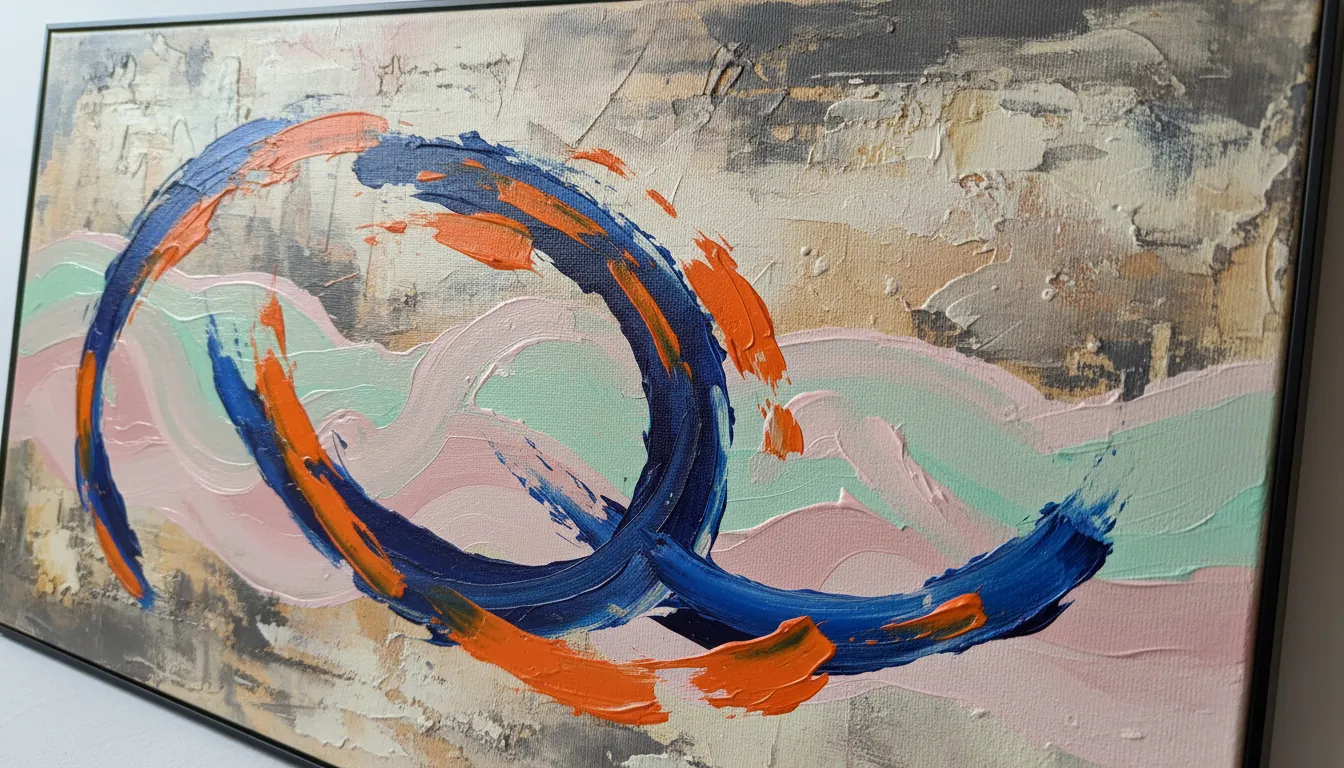
Once your surface is ready, begin building the foundation layers of your abstract art. This typically involves applying a base coat or primer to create a uniform background. You can use gesso or acrylic paint to achieve this. The key is to establish a foundation that will enhance your subsequent layers. Experiment with different colors and textures to create a unique base that inspires your creativity.
Developing Complexity and Interest
As you progress, you’ll want to develop complexity and interest in your abstract art. This involves adding multiple layers, experimenting with different techniques, and incorporating various elements to capture the viewer’s attention.
Adding Visual Texture
One effective way to add depth to your abstract art is by incorporating visual texture. This can be achieved through the use of modeling paste, gel medium, or even fabric and paper. The texture adds a tactile quality to your work, inviting viewers to engage more closely with the piece.
Incorporating Dynamic Elements
To make your abstract art more dynamic, consider incorporating elements that create movement or tension. This could involve using bold brushstrokes, dripping paint, or introducing foreign objects into your work. The goal is to create a sense of energy and dynamism that draws the viewer in.
| Technique | Description | Effect |
|---|---|---|
| Layering | Building multiple layers of paint or medium | Creates depth and complexity |
| Texture Addition | Incorporating materials for tactile effect | Adds visual and tactile interest |
| Dynamic Brushwork | Using bold, expressive brushstrokes | Creates movement and energy |
A crucial aspect of creating abstract art is knowing when to stop. It’s easy to overwork a piece, losing the initial spark that made it compelling. Step back periodically to evaluate your work, and be willing to stop when you’ve achieved a balance between complexity and simplicity. Sometimes, less is more, and restraint can be just as powerful as exuberance.
Advanced Abstract Art Techniques
Taking your abstract art to the next level involves exploring advanced techniques that add complexity and depth to your work. By incorporating diverse materials and methods, you can create visually striking and emotionally resonant pieces.
Mixed Media Integration
Mixed media integration is a powerful technique for adding texture and interest to your abstract art. This involves combining paint with other materials to create unique effects.
Combining Paint with Other Materials
Experimenting with different materials such as paper, fabric, or found objects can add intriguing textures to your artwork. For instance, incorporating torn paper or fabric scraps into your paint can create layered, dimensional effects. The key is to balance the materials so that they enhance rather than overwhelm the piece.
Three-Dimensional Elements
Incorporating three-dimensional elements can take your abstract art to new heights. Using materials like modeling paste, gel medium, or even found objects, you can create raised textures that invite viewers to explore the artwork more closely. This technique not only adds visual interest but also engages the viewer’s sense of touch.
Collage and Assemblage Methods
Collage and assemblage are techniques that involve combining disparate elements to form a cohesive whole. In abstract art, these methods can be used to create complex, layered compositions that tell a story or evoke a particular mood.
- Start by gathering a variety of materials, such as paper, fabric, or found objects.
- Arrange these materials into a composition that feels balanced and visually appealing.
- Adhere the elements using an appropriate adhesive, ensuring that they are securely attached.
Digital and Traditional Hybrid Approaches
In today’s digital age, many artists are combining traditional techniques with digital tools to create innovative abstract art. This might involve scanning or photographing your artwork and then manipulating it digitally, or using digital painting software to create elements that are then incorporated into your physical artwork.
By embracing these advanced techniques, you can expand your creative possibilities and produce abstract art that is both innovative and captivating. Whether you’re mixing media, creating collages, or blending digital and traditional methods, the key is to experiment and have fun with the process.
Finding Inspiration for Your Abstract Creations
Abstract artists often find inspiration in unexpected places, including nature, music, and their own emotions. The key to creating compelling abstract art lies in tapping into these diverse sources and translating them into visual elements.
Nature as an Abstract Source
Nature has long been a muse for artists. The intricate patterns on a leaf, the colors of a sunset, or the textures of tree bark can all serve as inspiration for abstract art. By observing and interpreting these natural wonders, artists can create pieces that reflect the beauty and complexity of the natural world.
Music and Movement Inspiration
Music and movement are other significant sources of inspiration. The rhythm, melody, and even the emotions evoked by a piece of music can be translated into abstract art. For instance, the dynamic brushstrokes in an action painting might capture the energy of a jazz performance.
Personal Experiences and Emotions
Personal experiences and emotions are perhaps the most profound sources of inspiration. Artists can draw upon their feelings, memories, and experiences to create abstract pieces that are deeply personal and expressive.
Translating Feelings into Visual Elements
The process of translating emotions into visual art involves intuition and experimentation. Artists might use color, texture, and composition to convey their feelings. For example, a turbulent emotional state might be represented through bold, clashing colors and chaotic brushwork.
Memory and Abstraction
Memories, too, can be a rich source of inspiration. By abstracting memories, artists can distill the essence of their experiences into powerful visual statements. This process involves selecting colors, shapes, and textures that evoke the memory, rather than directly depicting it.
For more insights into famous abstract artists and their sources of inspiration, visit The Artling’s Artzine.
| Source of Inspiration | Abstract Art Techniques | Best Abstract Art Materials |
|---|---|---|
| Nature | Layering, texture development | Acrylic paints, natural fibers |
| Music | Gestural painting, action painting | Fluid paints, expressive brushes |
| Personal Experiences | Emotive color use, abstract expressionism | Mixed media, textured materials |
When faced with a creative block, abstract artists can benefit from structured exercises and collaborative methods. Creative blocks can stifle even the most experienced artists, but with the right strategies, it’s possible to reignite imagination and continue producing innovative art.
Structured Exercises to Spark Creativity
Engaging in structured exercises can help stimulate creativity. For instance, setting a timer for 10 minutes and challenging yourself to create a piece using only primary colors can be a refreshing way to break through a creative block. Another exercise is to work on a small scale, using a canvas or paper that is no larger than 8x10 inches, to focus your creativity and reduce overwhelm.
Breaking Patterns and Habits
Sometimes, a change in routine or technique is all that’s needed to overcome a creative block. Experimenting with new tools or materials, such as switching from brushes to palette knives or incorporating mixed media, can provide a fresh perspective. Visiting the article on creating abstract art through challenging emotions can offer additional insights into breaking patterns.
Collaborative Approaches to Fresh Ideas
Collaboration with other artists or even non-artists can introduce new ideas and approaches. Participating in art exchanges or joint projects can stimulate creativity by exposing you to different styles and techniques. Additionally, discussing your work with others can provide valuable feedback and inspiration.
| Technique | Description | Benefit |
|---|---|---|
| Timed Challenges | Create art within a set time frame. | Boosts creativity and speed. |
| Mixed Media | Incorporate different materials into your art. | Adds texture and depth. |
| Art Exchanges | Collaborate with other artists. | Introduces new techniques and ideas. |
Developing a personal abstract style involves embracing your artistic voice and vision. As you continue to create and experiment with various abstract art techniques and best abstract art materials, you’ll begin to notice the emergence of a distinct style that reflects your personality and artistic sensibilities.
Identifying Your Artistic Voice
Identifying your artistic voice is a crucial step in developing your unique abstract style. It involves understanding what drives your creativity and how you can express your emotions and ideas through your art. To discover your artistic voice, try experimenting with different techniques and materials, and pay attention to what feels most natural and enjoyable to you.
Consistency vs. Exploration
As you develop your abstract style, you’ll need to balance consistency and exploration. Consistency helps to refine your skills and establish a recognizable style, while exploration allows you to innovate and grow as an artist. Striking the right balance between these two aspects is key to creating a rich and evolving body of work.
| Aspect | Consistency | Exploration |
|---|---|---|
| Purpose | Refine skills, establish style | Innovate, grow as an artist |
| Benefits | Recognizable style, skill mastery | New techniques, artistic growth |
| Potential Drawbacks | Stagnation, lack of innovation | Uncertainty, potential for failure |
Documenting your artistic journey and reflecting on your progress are essential practices for developing your unique abstract style. They help you track your growth, identify patterns, and make informed decisions about your artistic direction.
Keeping an Artist Journal
Keeping an artist journal is a valuable practice that allows you to record your thoughts, feelings, and insights about your art. It can include sketches, notes about your creative process, and observations about your progress. This journal becomes a personal archive of your artistic journey, providing valuable insights into your development as an artist.
Analyzing Your Progress
Regularly analyzing your progress helps you understand how your style is evolving and what adjustments you might need to make. Look for patterns in your work, note what techniques are working well, and consider areas where you’d like to improve or explore further.
Displaying and Sharing Your Abstract Artwork
Displaying your abstract art is a crucial step in getting your work noticed. After investing time and emotion into creating a piece, you want to ensure it’s presented in the best possible way.
Presentation and Framing Considerations
When it comes to displaying your abstract art, the frame can be just as important as the artwork itself. Consider using frames that complement the colors and style of your piece. For instance, a simple black or white frame can make your artwork stand out without distracting from it.
- Choose frames that enhance your artwork
- Consider the color and style of the frame
- Simple frames often work best for abstract art
Digital Portfolio Development
In today’s digital age, having an online presence is crucial for artists. Creating a digital portfolio allows you to showcase your work to a global audience.
To develop a strong digital portfolio:
- Take high-quality photos of your artwork
- Create a professional website or use art platforms
- Regularly update your portfolio with new pieces
Exhibition Opportunities for Abstract Artists
Exhibiting your work is a great way to gain exposure and connect with potential buyers. There are various opportunities for abstract artists, both online and offline.
Online Galleries and Communities
Online platforms provide a global stage for your artwork. Consider joining online art communities and galleries that cater to abstract artists.
Local Art Shows and Venues
Don’t overlook local opportunities. Look for art shows, cafes, and venues in your area that might be interested in displaying your work.
By considering these aspects, you can effectively display and share your abstract artwork, reaching a wider audience and potentially gaining recognition in the art world.
Conclusion
As we conclude our journey through the realm of abstract art, it’s clear that this creative field offers endless possibilities for self-expression and innovation. By mastering various abstract art techniques and experimenting with the best abstract art materials, artists can unlock new dimensions of their creativity.
The techniques and materials explored in this article provide a solid foundation for artists to develop their unique style. From gestural painting to mixed media integration, the possibilities are vast and exciting. As you continue to explore and refine your craft, remember that the true essence of abstract art lies in its ability to evoke emotions and spark imagination.
By embracing the principles and practices outlined in this article, you’ll be well on your way to creating stunning abstract art that resonates with others. So, keep exploring, keep creating, and let your imagination soar.
FAQ
What are the best materials for creating abstract art?
The best materials for abstract art include high-quality canvas or painting paper, a variety of paints such as acrylics, oils, or watercolors, and different brushes and applicators like sponges or palette knives. Experimenting with unconventional tools like household items or natural materials can also produce unique effects.### How do I get started with creating abstract art?
To get started, prepare your workspace by covering your area with drop cloths or old sheets, and gather your materials. Begin by applying a base coat or layer of paint to your canvas, then experiment with different techniques like dripping, splashing, or layering to create your abstract piece.### What is the role of color theory in abstract art?
Color theory plays a crucial role in abstract art as it helps artists understand how to create emotional impact, contrast, and harmony. Warm colors like reds and oranges can evoke feelings of energy, while cool colors like blues and greens can create a calming effect. Understanding color relationships and mixing techniques is essential for creating effective abstract art.### How can I develop my unique abstract style?
Developing your unique abstract style involves identifying your artistic voice, experimenting with different techniques, and practicing consistently. Keeping an artist journal to document your process and reflecting on your progress can help you refine your style over time.### What are some common challenges in creating abstract art, and how can I overcome them?
Common challenges include creative blocks, uncertainty about composition, and difficulty in achieving the desired effect. To overcome these, try structured exercises to spark creativity, experiment with new techniques, and collaborate with other artists to gain fresh insights.### How can I display and share my abstract artwork?
You can display your abstract artwork by framing it or presenting it on a canvas. Creating a digital portfolio and sharing your work on online galleries and communities can help you reach a wider audience. You can also look for local art shows and venues to exhibit your work.### What are some advanced techniques for abstract art?
Advanced techniques include mixed media integration, where you combine paint with other materials, and collage and assemblage methods, which involve creating three-dimensional elements. You can also experiment with digital and traditional hybrid approaches to create complex and intriguing abstract pieces.